Croatia’s Seasonal Rhythm: Buy for Life, Stress‑Test for Yield
Croatia’s coastal romance masks distinct market cycles; pair sensory local knowledge with occupancy data and 10‑year cost models to convert lifestyle into reliable yield.
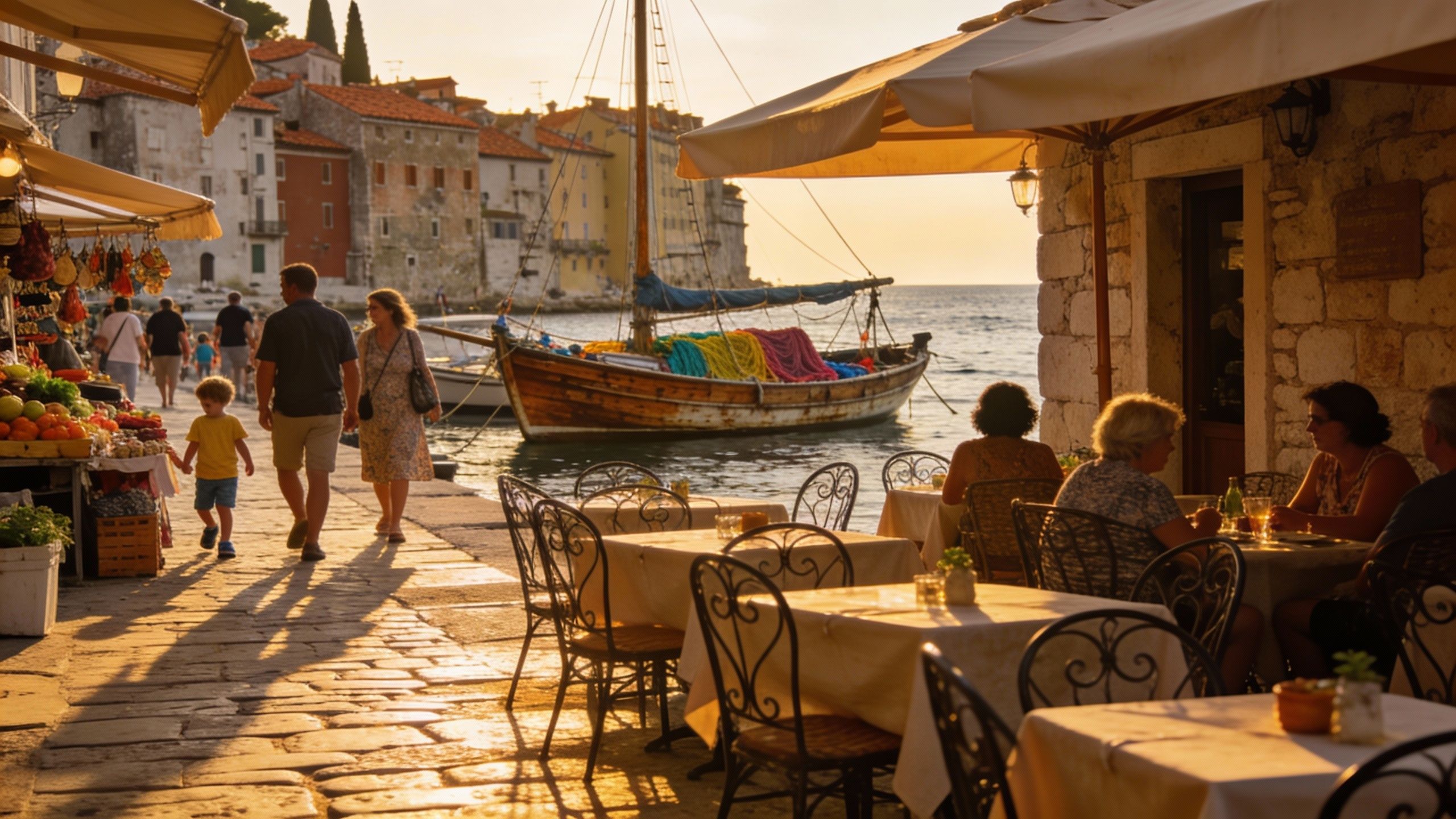
Imagine stepping out at dawn in Split’s Veli Varos: espresso steam, a fisherman unloading yesterday’s catch, and limestone streets still cool underfoot. That morning scene matters — it’s the lived reality behind the numbers international buyers study. Croatia’s coast sells a lifestyle, but investors buy cycles, seasonality and yield. This guide pairs the sensory with the statistical so you can fall in love without losing sight of returns.
Living Croatian Life: more than a summer postcard
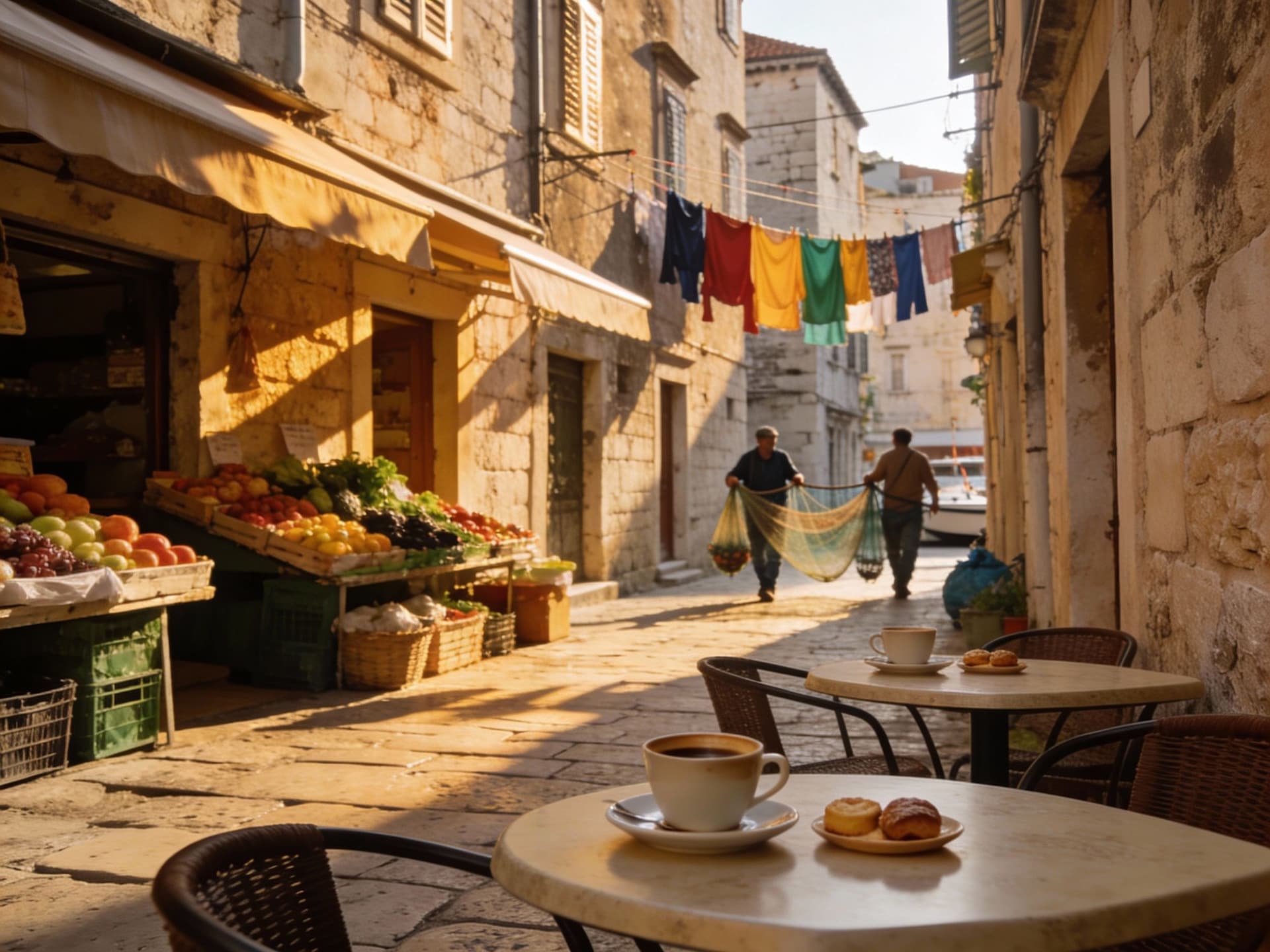
Daily life in Croatia is ruled by season and place: coastal towns pulse hard between May and September, while Zagreb and inland regions breathe year-round. Recent data show tourism remains the engine — 20.6 million arrivals and 108 million overnight stays in 2023 — which shapes rental demand on the Adriatic and seasonal price dispersion between coast and interior. Know the rhythm before you buy: the lifestyle you want determines which cashflow profile you get.
Coastlines and old towns: Split, Dubrovnik, Rovinj
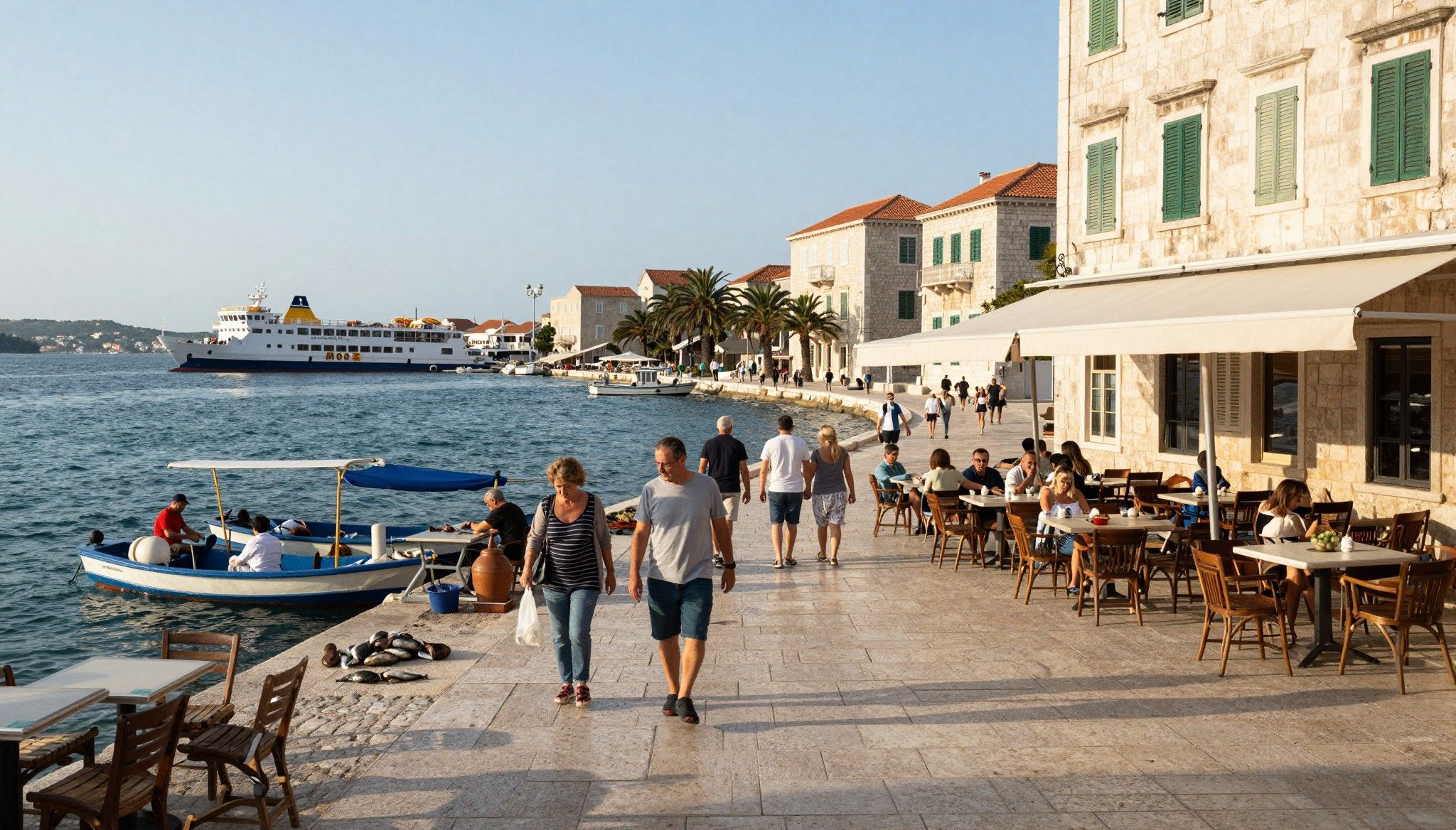
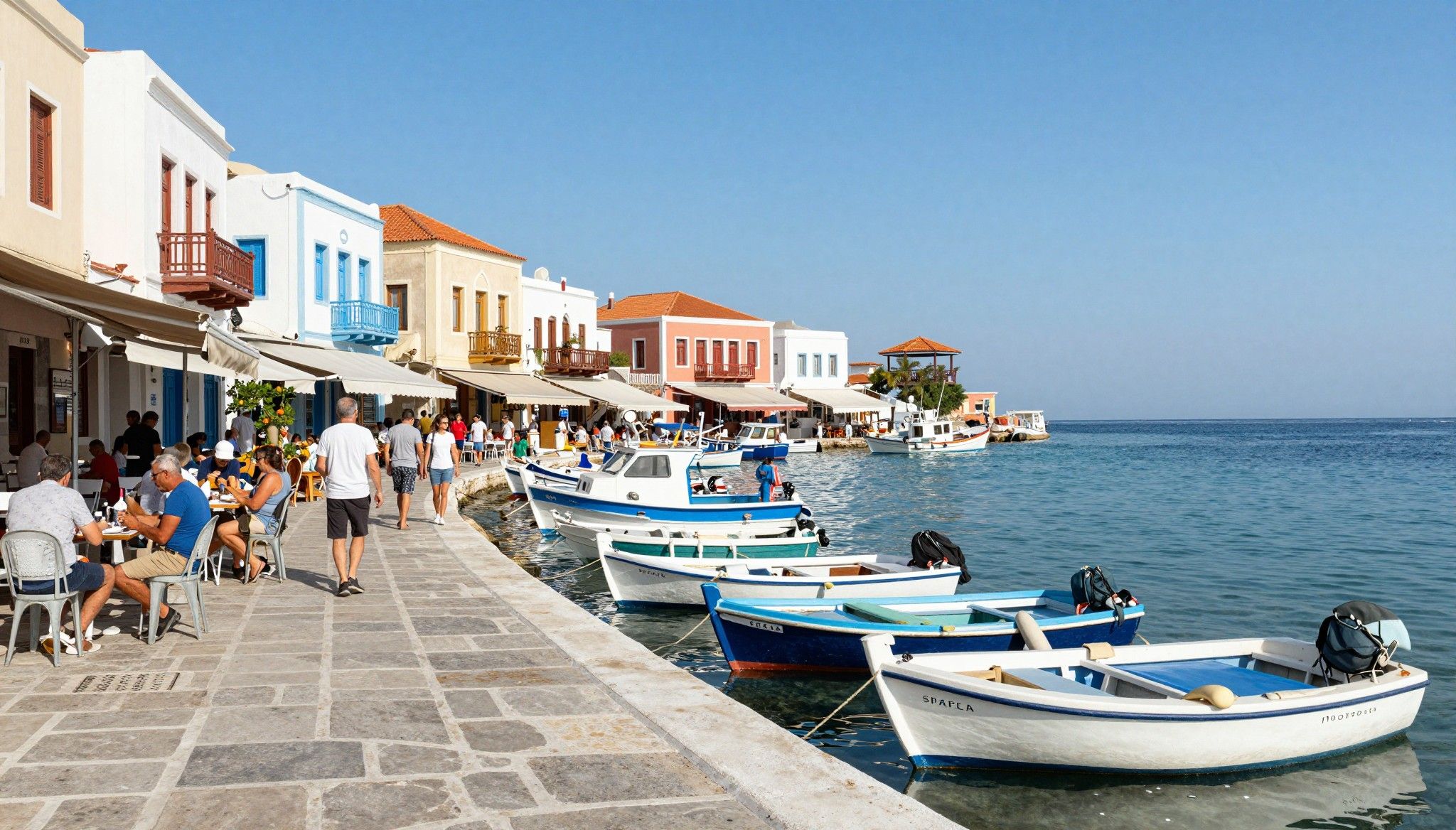
On the Dalmatian coast the day feels theatrical: market stalls in Split’s Pazar, stone terraces in Rovinj’s old town, and Dubrovnik’s fortified promenades. These places generate high short-term rental demand — reflected in above-average asking prices per square metre — but that demand is intensely seasonal. If you want sun-and-sociability eight months a year, the coast pays off socially and often financially; if you want steadier rental income, look to cities and inland towns.
Cities and year-round life: Zagreb, Rijeka, Osijek
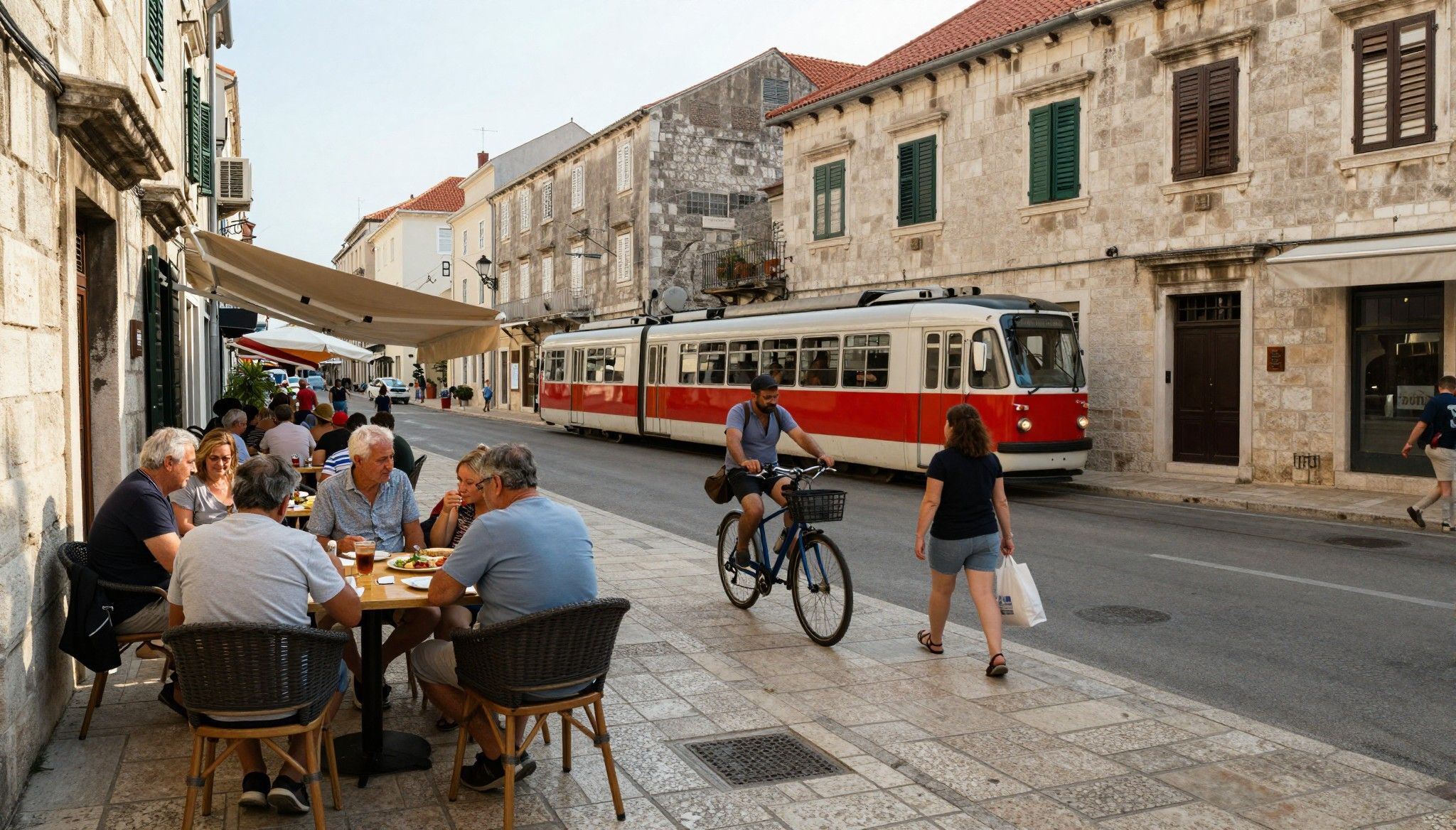
Zagreb is a four-season city with cultural life, corporate tenants and students — a different rental profile to Hvar or Dubrovnik. Rijeka and Osijek offer lower entry prices and stronger long-term rental stability. Expect lower peak rents but steadier occupancy. For investors focused on net yield rather than headline price appreciation, mid-sized Croatian cities often win on total cost of ownership and predictable cashflow.
- Lifestyle highlights: where to live and why
- Split — Veli Varos & Bacvice: morning markets, short walks to the Riva and strong summer lets.
- Dubrovnik — Ploče & Gundulićeva poljana: tourist premium, restricted supply inside the walls, high maintenance costs.
- Rovinj & Poreč (Istria): gastronomic scene and year-round expat community, attractive for longer lets.
- Zagreb — Donji Grad & Črnomerec: consistent rentals to professionals and students, less seasonality than coast.
Making the move: market realities that reshape romance
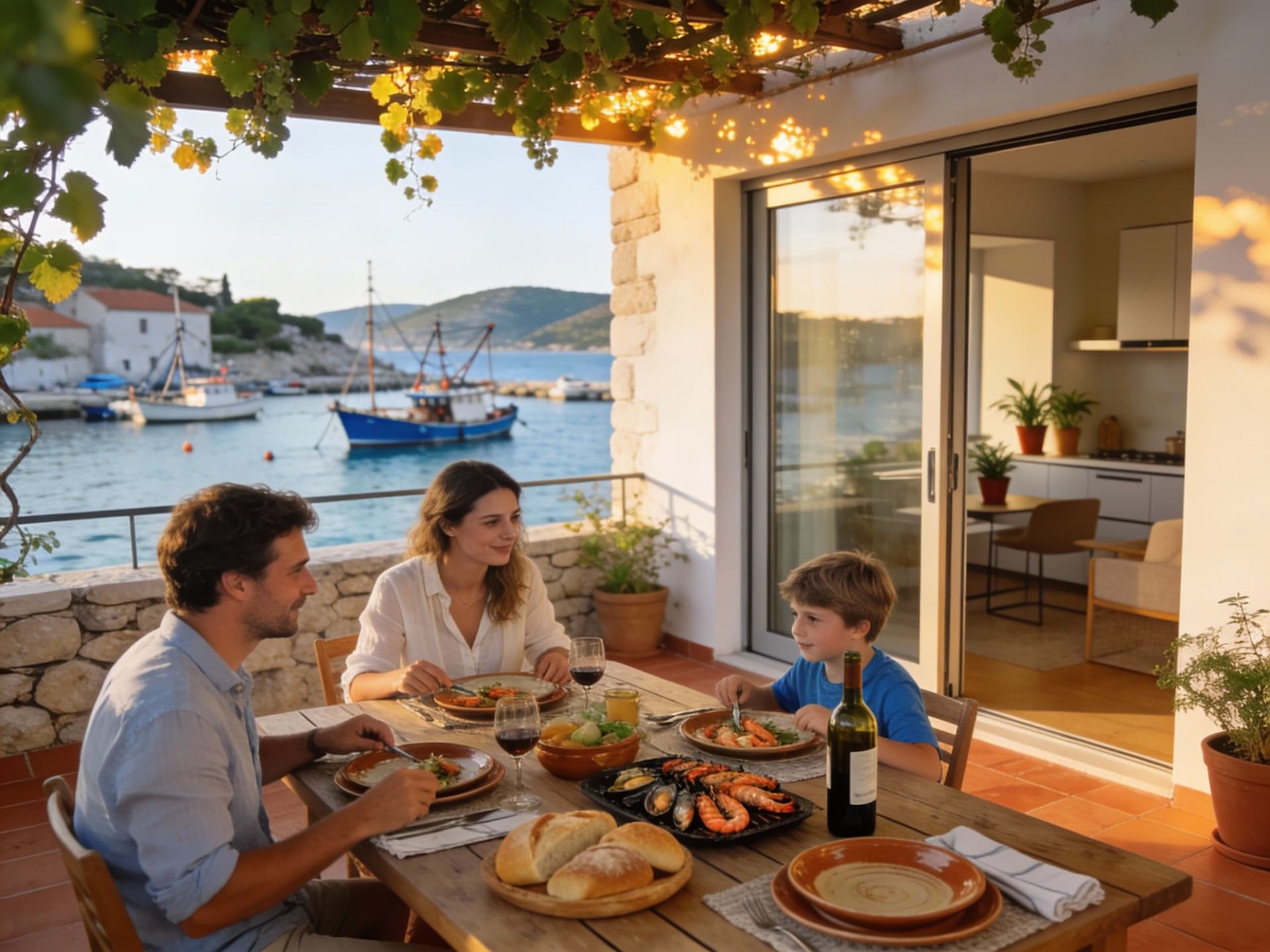
Romance meets math at the exchange rate and per-square-metre line. Asking prices rose significantly across 2022–2024 on popular portals, with coastal counties like Istria, Split-Dalmatia and Dubrovnik-Neretva posting some of the highest averages. That rise is real and fast: buyers must stress-test yield scenarios against peak-season occupancy assumptions and maintenance realities for historic stone properties.
Property types: stone maisonettes vs new builds
Stone apartments in UNESCO-bordered centres sell the myth and command premiums. They also come with higher restoration costs, heritage limits and administrative friction. New-builds on the outskirts give easier management and modern systems (better insulation, lower running costs) — often favouring net yields. Choose property type to match your strategy: capital appreciation/tourist-premium or steady net yield/low upkeep.
Working with local experts: the agency as translator
A local agency does more than show properties: it interprets seasonality metrics, confirms local occupancy statistics, and flags municipal rules around short-term lets. Good agents will provide recent occupancy rates, utility benchmarks and projected maintenance costs — raw inputs you need to model net yield. Ask for comparable rental ledgers, not just glossy photos.
- Six-step check before signing an offer
- 1. Obtain recent occupancy data for the specific street/neighbourhood (12–36 months).
- 2. Run a 10-year cost model: purchase price, expected vacancy, repairs (stone facades), property management and taxes.
- 3. Verify building permits and heritage restrictions at the municipal office — restorations can take months and add 10–30% to costs.
- 4. Check utility, insurance and winterisation costs for coastal properties (salt corrosion, HVAC usage patterns).
- 5. Confirm tax residency triggers and withholding rules with a Croatia-based tax advisor before modelling net yield.
- 6. Negotiate a clause tying final payment to verification of mortgage, permit status and an independent building survey.
Insider knowledge: what expats wish they'd known
Expat enthusiasm often bumps against structural realities: local wages, housing supply and municipal priorities shape what neighbourhoods become tenant-friendly. Many expats underestimate the maintenance burden of older coastal homes and the social friction when tourist rentals displace long-term tenants. Learn from locals: a thriving small grocery or morning market is as predictive of rental resilience as a cathedral or view.
Language, community and daily integration
Croatian is the public language, but English functions well in tourism-driven towns and among professional services. Invest time in neighbourhood routines — the bakery, the kafana, the market stall — and you’ll access informal intel: expected guest peaks, rental wishlists and reliable local tradespeople. That knowledge directly reduces surprise costs and improves tenant selection.
Long-term lifestyle trajectories to model
Think decade, not season. Coastal towns are professionalised around tourism and may appreciate on headline price metrics, but they also face tighter regulation and higher upkeep. Inland cities offer slower capital growth but better yield predictability. Combine one coastal asset for diversification and one city apartment for consistent cashflow if your portfolio allows.
- Red flags local investors flag
- 1) Unverified short-term let history — glossy calendars can be fabricated.
- 2) Heritage limits that block needed upgrades (electrics, insulation).
- 3) Underpriced asking listings that hide large deferred maintenance.
- 4) Municipal zoning shifts in tourist hubs — monitor local council agendas.
Conclusion: buy the rhythm as much as the roof. Croatia offers a rare mix: Mediterranean lifestyle, EU access and dynamic tourism-driven markets. That mix creates opportunity — and volatility. Decide whether you want peak-season upside or year-round steadiness, then collect the data that proves your thesis. Work with local agencies that provide occupancy ledgers, municipal permit snapshots and realistic 10-year cost models. Fall in love first; invest with the spreadsheet next.
Dutch investment strategist who built a practice assisting 200+ Dutch clients find Spanish assets, with emphasis on cap rates and due diligence.