When Croatia’s New Property Rules Reprice Coastal Returns
Croatia’s 2025 tax and rental rules shift returns: coastal short‑stay income is taxed and constrained, favouring long‑term rentals and disciplined investors who model per‑m² costs and permit risk.
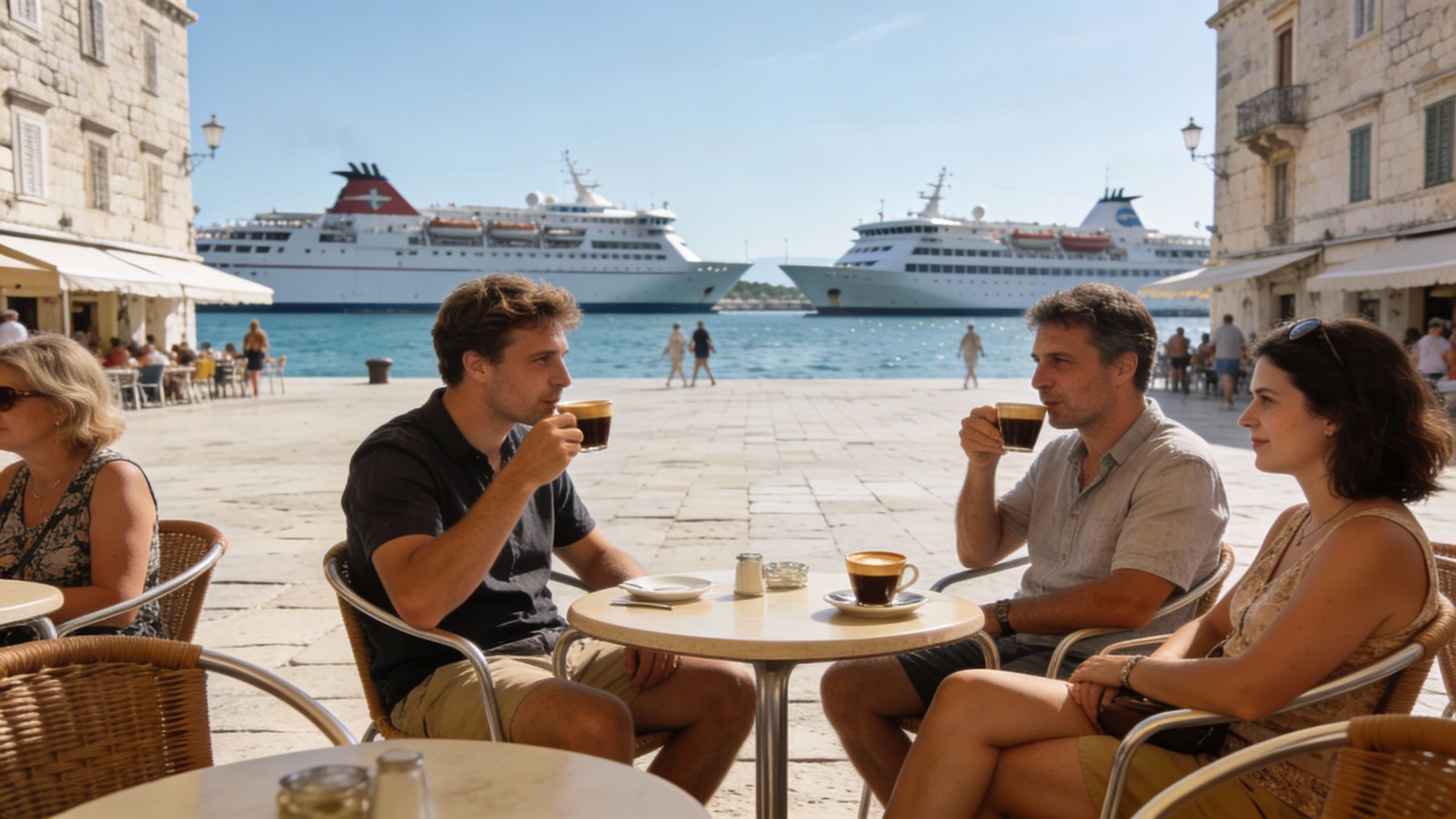
Imagine sipping espresso on Split’s Riva at 8am, then scrolling bookings for a sea‑view apartment that made as much in July as it did all winter combined. That seasonal rhythm — and a new set of rules introduced from 2025 — reprice what “coastal income” actually means in Croatia, and not always in the way overseas buyers expect.
Living the Croatia lifestyle — what you’re really buying

Croatia feels Mediterranean but moves at two speeds: coastal high summer (restaurants full, ferries busy, Airbnb active) and quieter year‑round towns where cafés open at 09:00 and close for siesta. That contrast drives rental cashflows and risk — and new national/local taxes now explicitly penalise units used primarily for short‑stay tourism. Buyers must therefore align lifestyle expectations with the fiscal profile of the asset.
Coastal pulse: Split, Dubrovnik, Zadar
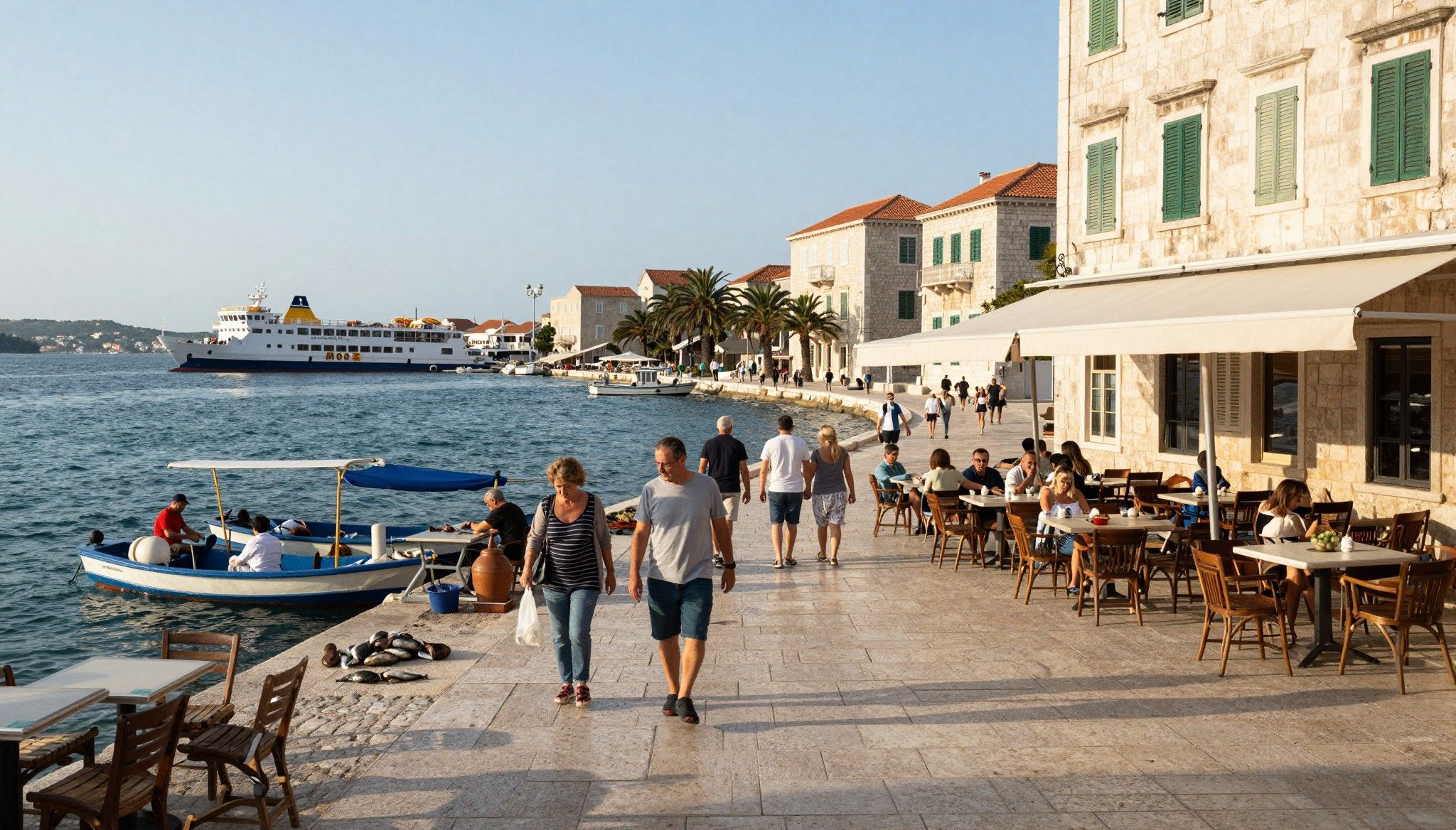
On the Dalmatian coast the day begins with fisherman calls and ends in late‑night konobas. Streets like Split’s Marmont or Dubrovnik’s Stradun are tourism magnets — great for occupancy but now exposed to local moratoria, tourist permit limits and higher per‑m² property taxes which favour long‑term rentals over seasonal listings.
Inland alternatives: Istria towns and continental gems
If you want Croatia’s climate with less regulatory heat, consider Rovinj, Pula or continental towns near Zagreb where tourist pressure is lower. These markets show steadier year‑round occupancy, making them more resilient to rules that increase holding costs for seasonal properties.
- Lifestyle highlights
- Morning espresso on Split’s Riva; afternoon market at Dolac in Zagreb; twilight swims off Zlatni Rat (Brač); konoba dinners in Korčula; weekend truffle hunts in Istria.
Making the move: practical considerations after the 2025 changes

The reforms introduced in late 2024 and implemented from January 1, 2025, shift tax burdens and add municipal discretion. For buyers who counted on summer weeks to cover mortgages, the new reality is a higher fixed cost per m² and more barriers to operating short‑stay lets in condominium buildings and historic centres. That means reworking yield models and stress‑testing for lower seasonal income.
Property types and how rules reprice them
Studio sea‑view flats that once delivered double‑digit summer returns are now vulnerable to per‑m² taxes and neighbour consent rules for tourist use. Larger family apartments or houses that can attract long‑term tenants become comparatively more valuable. Non‑EU buyers should also factor approval timelines from the Ministry of Justice when pricing closing dates and financing.
- Steps to reprice an investment in current Croatian market
- 1) Recalculate net yield using a property tax of €0.60–€8/m² (municipal variation). 2) Model occupancy scenarios: aggressive summer‑only, mixed season, and long‑term lease (≥10 months). 3) Add neighbour‑consent and permit risk for condos in tourist zones. 4) Stress test debt service on 60–70% occupancy for first two years.
Insider knowledge — expat lessons and regulatory red flags
Expats tell a common story: they fell for the view, then learned about permit limits, neighbour‑approval thresholds and municipal moratoria. The result has been owners converting short‑stay units to longer leases or selling into the market — a dynamic that can depress coastal valuations but create long‑term rental yield opportunities for disciplined buyers.
Cultural and administrative practicalities
Buying in Croatia requires an OIB (tax ID), clear land‑registry checks, and, for many non‑EU nationals, Ministry consent. Local notaries and lawyers handle ownership transfer; competent agencies will also map municipal rules on tourist licences and provide neighbour‑consent histories — vital intelligence before signing.
- Regulatory red flags to watch
- Sudden municipal moratoria on new tourist licences; historic‑centre bans (e.g., Dubrovnik Old Town); properties where >20% of co‑owners oppose tourist use; unclear cadastral/encumbrance records.
If your investment case depends on July–September weeks, you must model a downside where those weeks produce only 40–60% of historical revenue for up to three years while regulations settle. That’s not a pessimistic view — it’s a pricing adjustment that separates speculation from portfolio‑grade real estate.
Working with agencies and legal advisers who protect returns
The right local team does two things: translate lifestyle into cashflows, and translate municipal rules into probabilities. Seek agencies with documented experience moving properties from short‑stay to long‑term inventory; ask for case studies showing how they renegotiated management contracts and reprofiled listings for year‑round tenancy.
- Questions to ask your Croatian advisor
- 1) Which local zones have active moratoria or quota systems? 2) How does the municipality apply the €0.60–€8/m² property tax to holiday units? 3) What is the process and timeline for neighbour consent in this building? 4) Can you show examples of converting short‑stay units to 10+ month leases?
Quick checklist before offer
- Obtain land‑registry extract; confirm tourist permit status; request municipal tax band; secure written estimate for property tax; check foreign‑buyer reciprocity if applicable.
Croatia’s policy intent is clear: cool speculative short‑stay stock, free up housing for locals, and nudge owners toward long‑term leases. For investors that accept lower but steadier yields and plan for holding periods of five years plus, the changes create clearer, less cyclical income profiles — and lower turnover costs.
A contrarian pick: why some coastal assets will become bargains
Tighter rules will push marginal short‑stay owners to sell. That creates pockets where prices correct, offering opportunities for buyers who: 1) can convert units to long‑term rentals, or 2) buy at a discount and reposition for lower, year‑round yields. The trade‑off is patience and operational capability.
Conclusion — picture it: a winter morning market in Zagreb, a reliable tenant paying predictable rent, and a coastal property that no longer needs July to service debt. Croatia’s regulatory reset forces buyers to choose income certainty over seasonal glamour. If that aligns with your portfolio goals, the market now rewards rigor more than romance.
British expat who moved to the Algarve in 2014. Specializes in portfolio-focused analysis, yields, and tax planning for UK buyers investing abroad.