Why Croatia’s 2025 Rules Reprice Coastal Returns
Croatia’s 2024–25 tax and rental reforms reshape coastal yields—buyers should model municipal property tax, registration costs and seasonality before pricing returns.
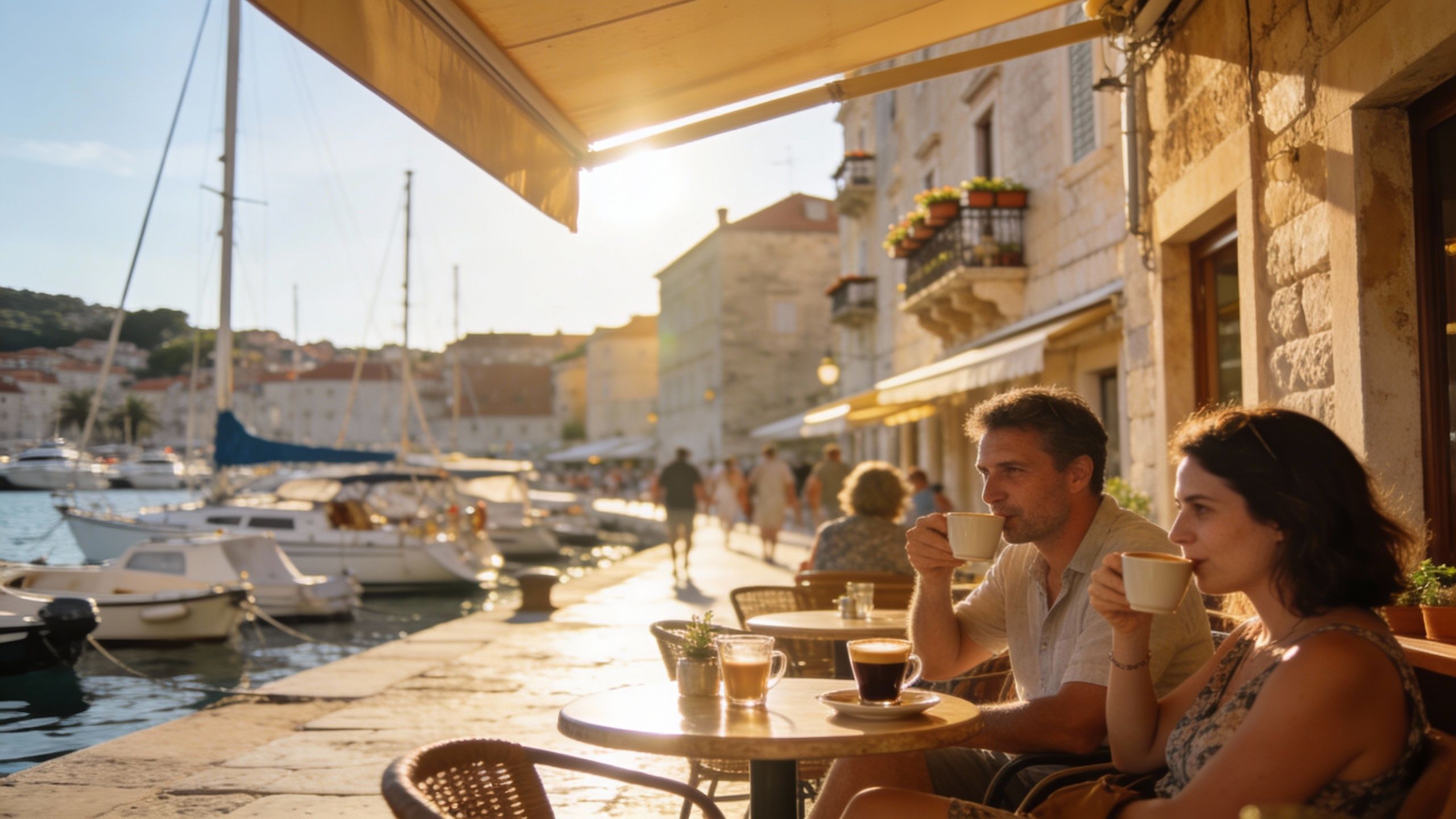
Imagine sipping espresso at a shaded table on Split’s Marmontova, then stepping into a compact one‑bed with a sea‑view that pays for your lifestyle. Croatia’s Adriatic rhythm — morning markets, late café hours, summer festivals — makes that image tangible. But since 2024–25 a sequence of regulatory moves (property tax reform, short‑stay registration and updated foreign‑buyer rules) has reshaped returns. This piece explains the lived experience, then shows how recent rules reprice yields and change ownership maths for international buyers.
Living Croatia: the everyday that sells the dream
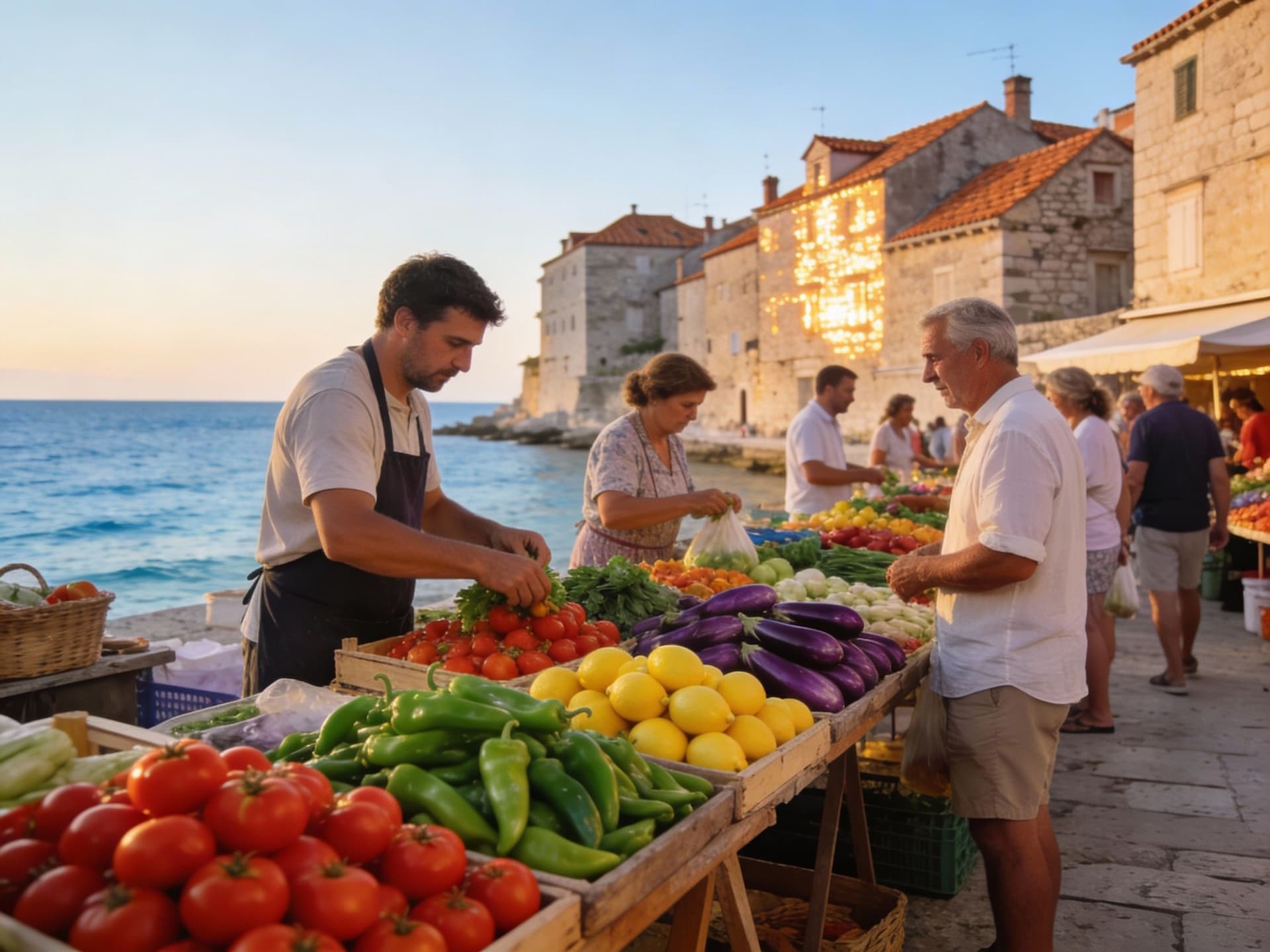
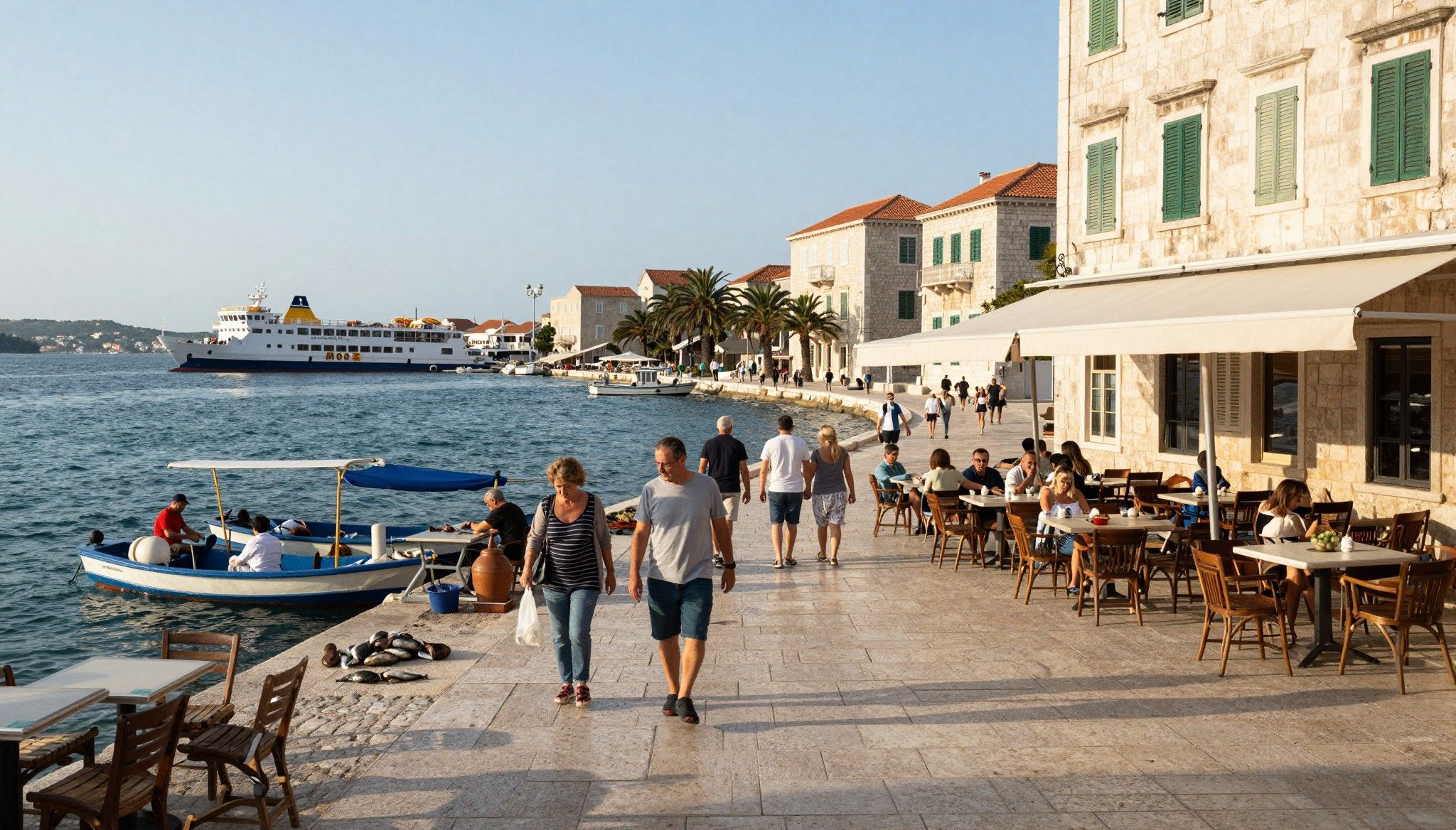
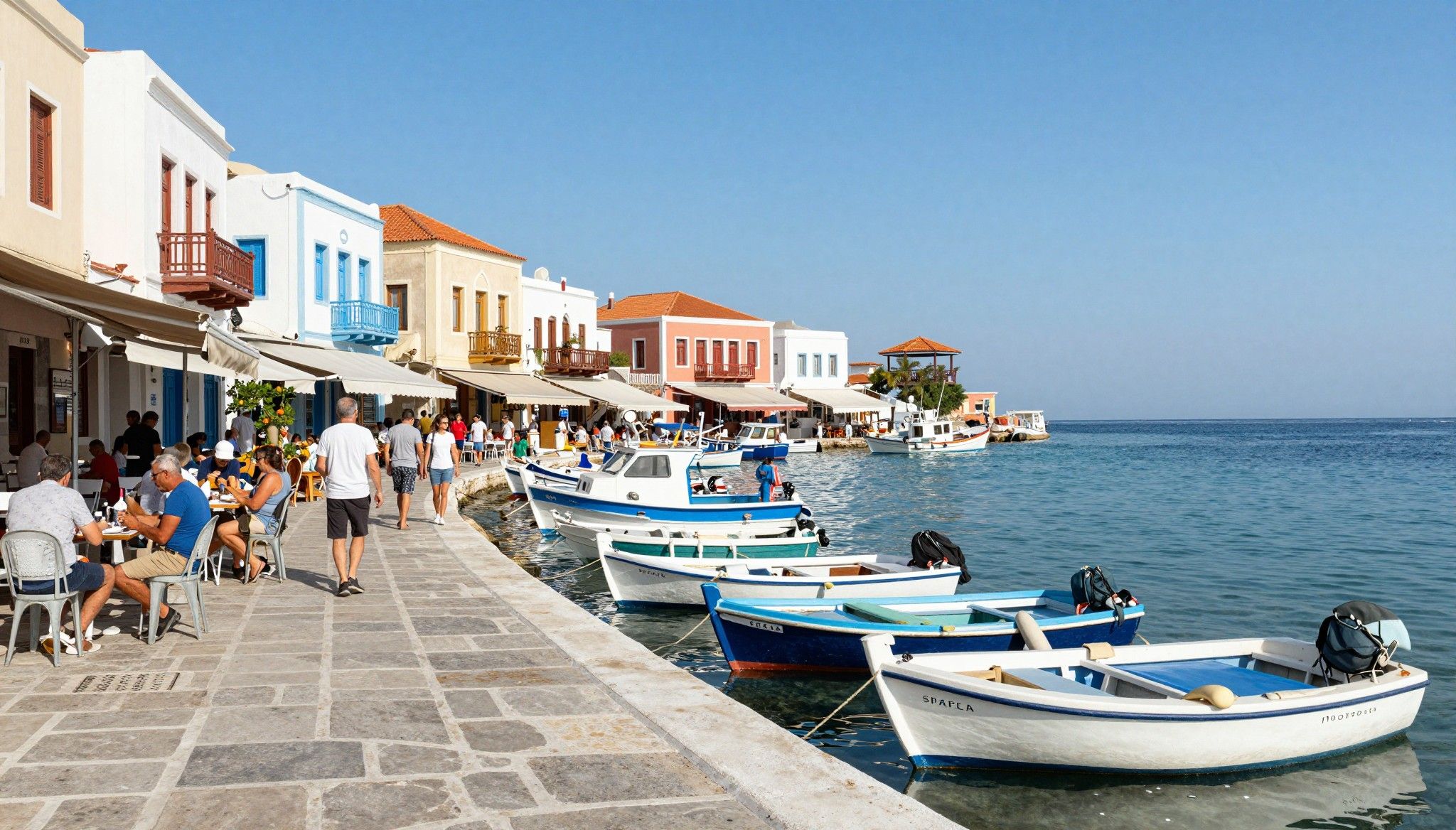
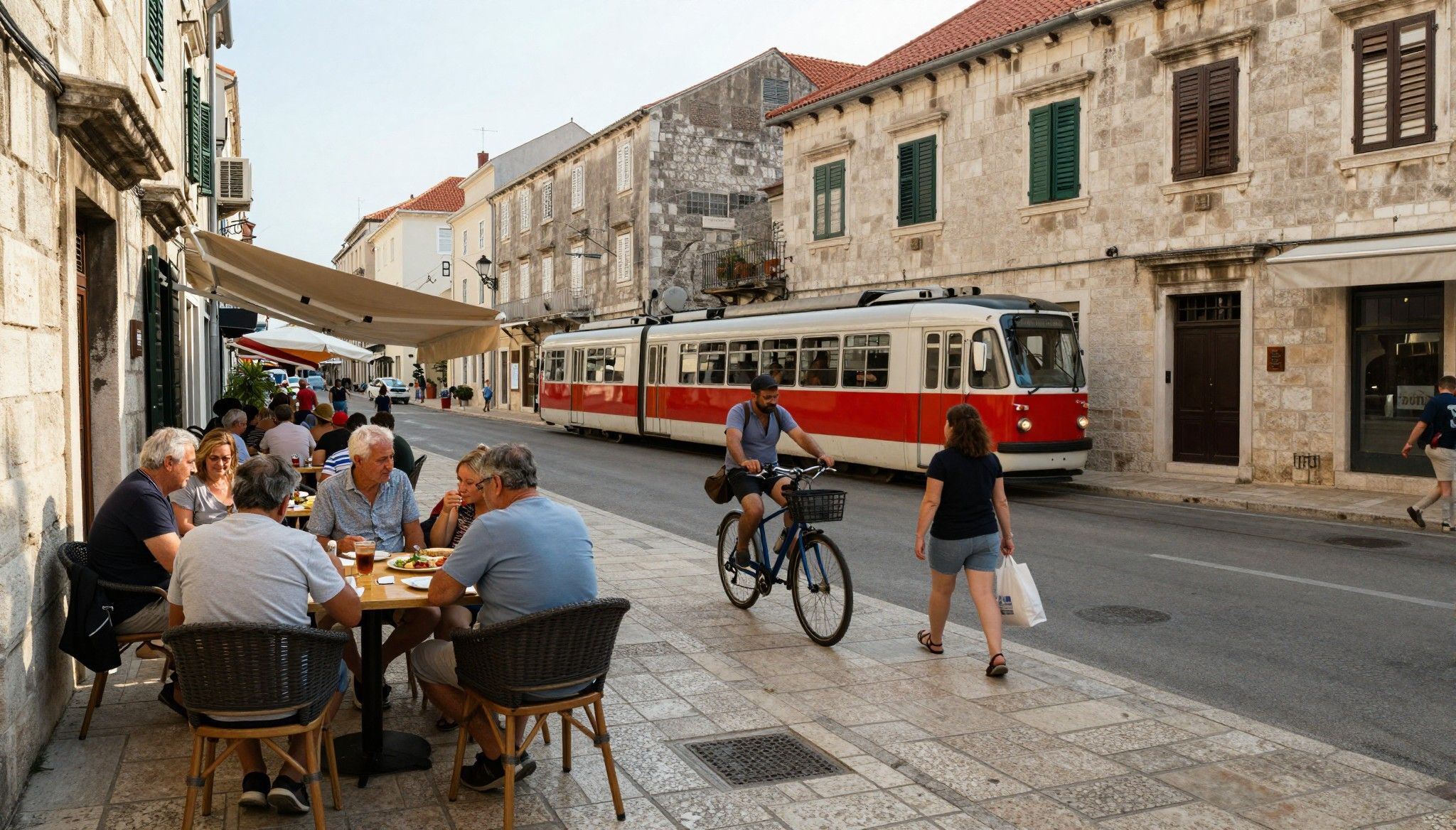
The sensory canvas of Croatia matters to investors because lifestyle shapes demand. Morning fish stalls at Dolac market in Zagreb, afternoons in Hvar’s Pakleni Isles, aperitifs on Dubrovnik’s Stradun — these are not tourism postcards but recurring rhythms that create seasonal and year‑round rental demand. Expect Mediterranean light, stone facades, narrow streets with scooters and small boats bobbing at harbour edges; that context determines what tenants will pay and what features matter on listing pages.
Coast vs. City: pockets of different demand
Coastal towns (Split, Dubrovnik, Zadar, Rovinj) concentrate short‑stay demand and command higher seasonal rates. Zagreb functions as a year‑round urban rental market driven by students, digital workers and business travellers. That split explains why regulatory moves targeting holiday rentals will disproportionately affect coastal returns while the capital’s fundamentals remain steadier.
Local colour: neighbourhood snapshots
Walk the Riva in Split, then turn inland to Varoš for limestone lanes and family‑run konobas; in Zagreb, find charming streets around Tkalčićeva filled with cafés and student renters; in Istria, Rovinj’s old town delivers boutique short‑stay demand while Pula’s wider market attracts longer lets. These micro‑differences change vacancy risk and renovations required to meet guest expectations.
Lifestyle highlights that affect demand and valuation:
Dolac Market (Zagreb) — reliable demand from locals and short‑term visitors who value proximity.
Split’s Riva & Varoš — high summer ADR (average daily rate), but large off‑season drop.
Rovinj Old Town — boutique listings with premium pricing; limited supply near the waterfront.
Zagreb neighbourhoods (Maksimir, Donji Grad) — stable year‑round rental occupancies.
Making the move: rules that change the numbers
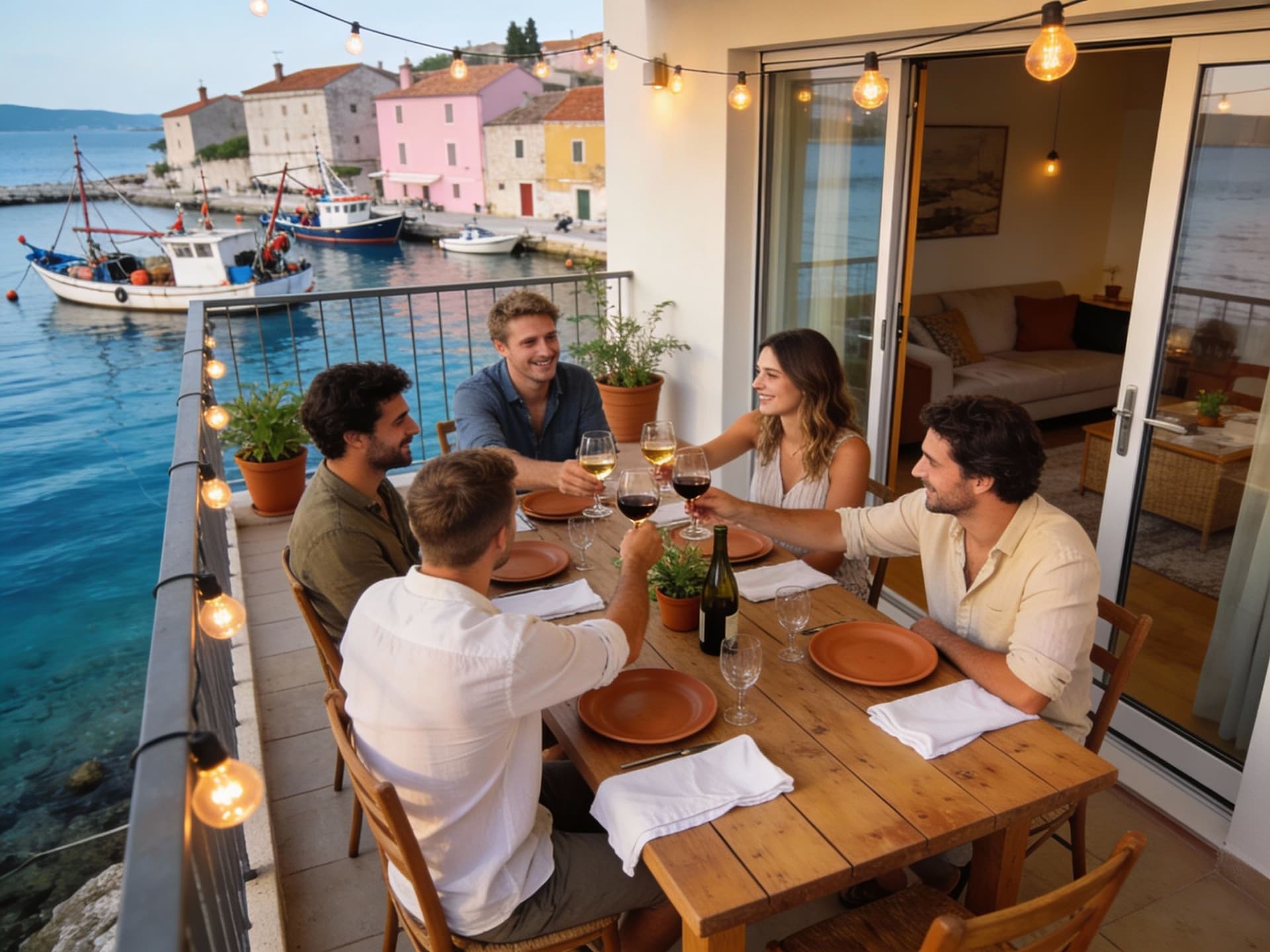
Lifestyle sells the dream; regulation and tax reshape the cashflow. From 2025 Croatia implemented a unified property tax that shifts some fiscal burden onto real estate owners and introduces exemptions for long‑term rentals — a direct lever on investor returns. At the same time, short‑stay registration proposals aim to reduce unregistered listings, increasing compliance costs and changing effective supply.
Property tax reform: what changes mean for yields
From January 2025 municipalities can set an annual property tax between €0.60 and €8.00 per m². Owners of primary residences and properties rented long‑term (10+ months) may qualify for exemptions. For investors focused on short‑stay income, this raises holding costs and compresses net yields; for long‑let strategies it can be neutral or even beneficial due to preferential treatment.
Short‑stay registration and enforcement
Croatia plans mandatory registration of holiday rentals with unique IDs (planned from mid‑2026), aligning with EU transparency moves. Registration increases compliance, can curtail illegal supply, and can lead to stricter local rules (limits on nights, zoning enforcement). For investors, that reduces uncontrolled competition but raises operating compliance costs and may require property upgrades to meet registration standards.
How to reprice an acquisition under the new rules (practical steps):
1) Recalculate net yield: increase annual holding costs by municipal property tax (use local top‑end €8/m² for coastal checks) and add a compliance buffer (estimate €500–€1,500/year per property).
2) Stress‑test seasonality: model occupancy at 30–40% for off‑season and 70–90% in summer for coastal assets; apply blended ADRs to derive realistic annual revenue.
3) Consider long‑let conversion: if municipal tax exemptions apply for 10+ month lets, compare 6–8% long‑let net yields vs. compressed short‑stay yields after tax.
Insider knowledge: what expats wish they'd known
Many buyers fall for summer‑only demand and neglect year‑round costs. Croatia’s reciprocity and approval channels were loosened for many OECD nationals recently, speeding transactions, but non‑OECD buyers may still need Ministry approvals or local company structures. That administrative clarity shortens deal timelines and reduces legal fees for eligible buyers — a practical boon that often surprises first‑time foreign purchasers.
Cultural and practical cues that affect tenancy and maintenance
Tenants favour properties with functional outdoor space, air‑conditioning in coastal areas, and reliable internet for remote work. Locals value stone façades and high‑quality finishes; tourists prize terraces with sea views. Maintenance in older stone houses can be costlier than in new builds — budget 5–10% of property value over a decade for repairs in historic cores.
Practical red flags when buying in Croatia:
Unclear ownership history or missing cadastral documentation — demand up‑to‑date land registry extracts.
Properties in zones with evolving coastal zoning rules — local plans can restrict short‑stay use.
Underestimated utility/connection costs for islands — ferries and water systems increase operating complexity.
Working with a locally experienced agency reduces these risks. Good agents provide recent land‑registry extracts, translate zoning nuance, and can source reliable cost data for municipal taxes and registration compliance.
Final checklist before offer: know municipal tax bands for the property’s municipality (apply top‑end for coastal stress tests), confirm whether the property will need holiday‑rental registration, get a utilities and maintenance estimate from local suppliers, and verify foreign‑buyer approval requirements if you are non‑OECD.
Steps to move from dreaming to owning (practical next steps):
1) Shortlist neighbourhoods by demand profile (Zagreb for year‑round, Split/Rovinj for seasonality).
2) Ask the seller for the latest land registry extract and proof of municipal tax banding.
3) Calculate net yield with updated holding costs: property tax + compliance + capex buffer.
4) Engage a local lawyer experienced with foreign buyers and an agent who rents or manages properties seasonally.
Conclusion: Croatia still sells a life — sunlit mornings, market rhythms and compact, rentable homes — but the recent regulatory wave forces discipline. Treat the market like any other asset: model cashflows with new property taxes and compliance costs, stress‑test for seasonality, and prefer partners who understand municipal differences. With disciplined underwriting, Croatia remains a market where lifestyle and sensible returns can coexist.
Swedish financier who guided 150+ families to Spanish title deeds since relocating from Stockholm in 2012, focusing on legal and tax implications.