How Croatia’s 2025 Rules Reprice Coastal Yields
Croatia’s 2025 tax and short‑let rules reshape net yields — model municipal property tax, reciprocity for non‑EU buyers and co‑owner limits before you buy.
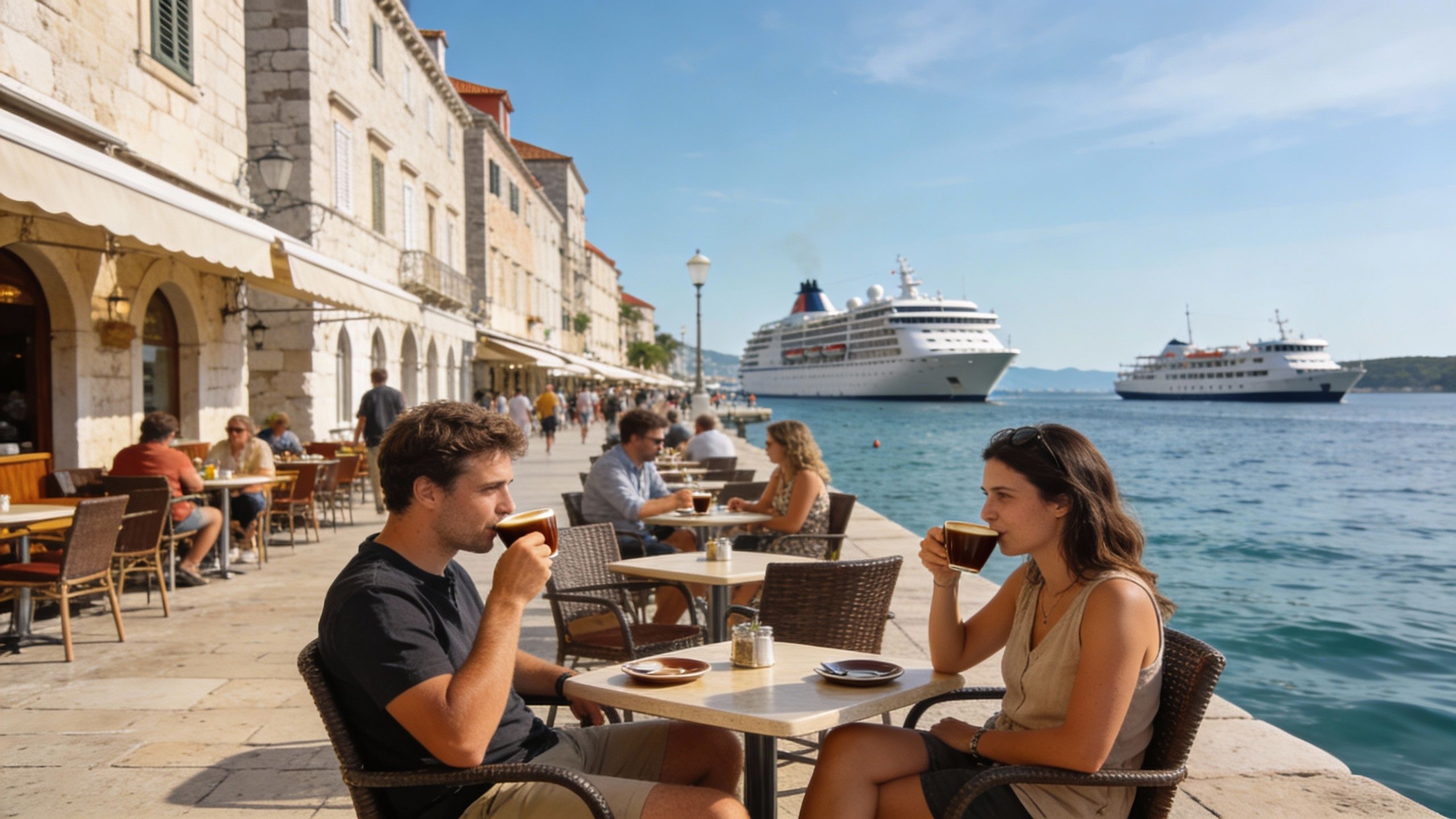
Imagine a cool morning on Split’s Riva: fishermen hauling crates, cafés filling with espresso steam and Dalmatian chatter. That scene is why buyers fall for Croatia — but from an investor’s desk the same morning raises immediate, practical questions about tax bills, seasonal income and recent regulatory shifts that reprice returns.
Living the Croatia life (what you actually wake up to)
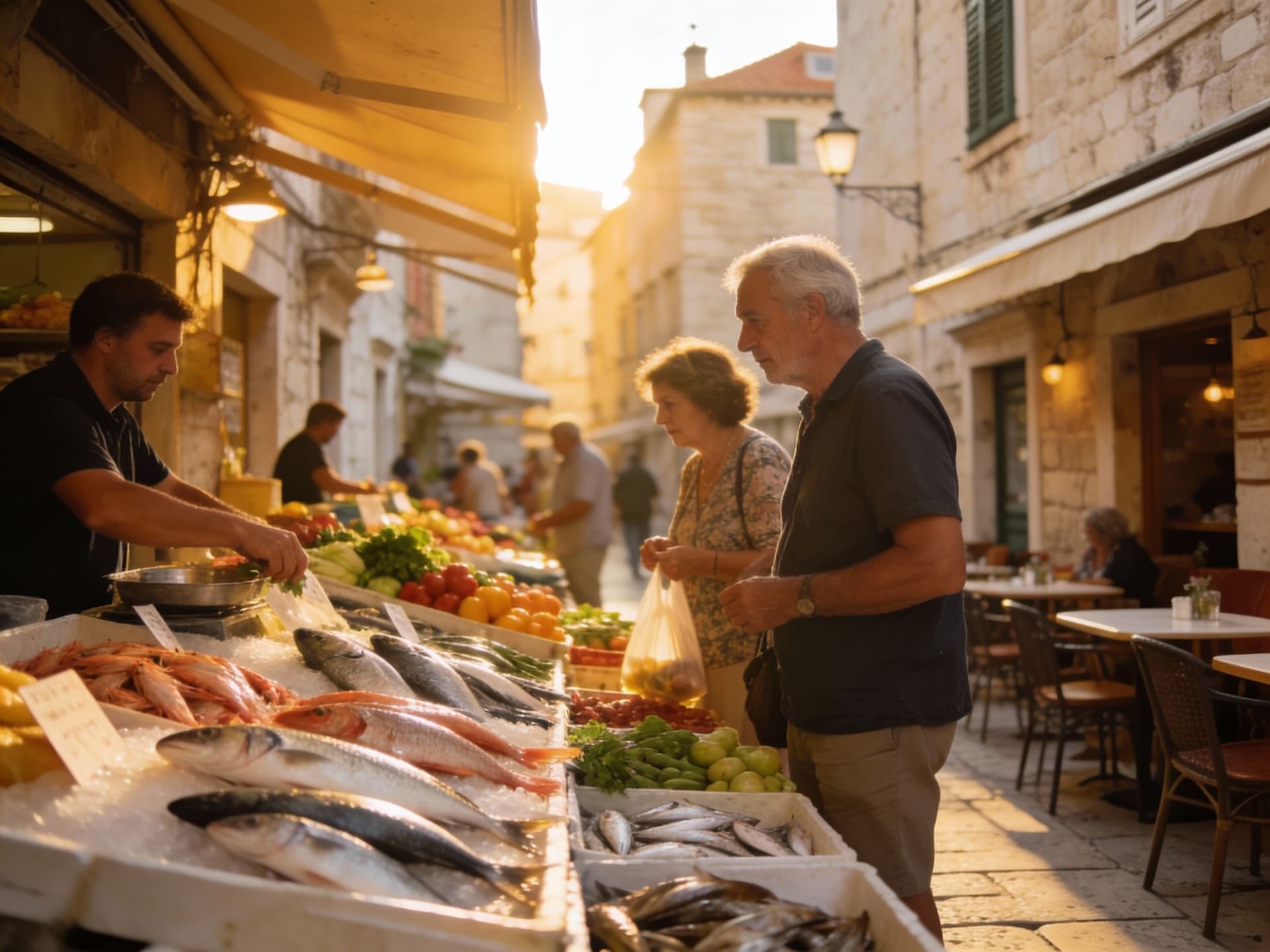
Croatia’s daily rhythm feels Mediterranean: morning markets in Zagreb’s Dolac, late lunches on Hvar’s waterfront, and quiet winters in Istrian hill towns. These patterns shape demand — seasonal short-lets on the coast versus stable long-term tenancies inland — and therefore alter which properties deliver reliable yields. Recent tourism recovery data show higher peak-season occupancy than three years ago, but with sharper off-season drop-offs in coastal towns.
Neighborhood spotlight: Split (Veli Varoš to Bacvice)
Walk Veli Varoš at dawn and you’ll see why renovators pay premiums: narrow lanes, sea views and 19th‑century stone façades. Bacvice, five minutes away, trades heritage for nightlife and summer rental demand. For investors this contrast matters: Veli Varoš properties often command higher capital appreciation after sympathetic restorations, while Bacvice produces stronger short‑term rental cashflows in July–August but suffers vacancy the rest of the year.
Food, markets and micro‑culture that move value
Picture buying groceries at Split’s fish market, then hosting guests on a terrace with grilled branzino — landlords who position units for authentic local experiences (e.g., equipped kitchens, outdoor seating) often secure higher nightly rates and repeat bookings. Conversely, units lacking basic comforts for four‑season living underperform once the high season ends.
- Lifestyle highlights that impact rental desirability:
- Morning espresso at Split’s Riva; proximity increases weekday bookings.
- Dolac market in Zagreb — attractive for longer lets aimed at families.
- Istrian truffle season and inland agritourism — boosts rural short‑let rates.
Making the move: regulatory shifts that actually change returns

Since 2025 Croatia introduced two headline changes that materially affect net yields: a municipality‑set annual real estate tax (roughly €0.60–€8/m² depending on zone) and revised flat rates for short‑term rental per‑bed contributions. These changes convert what were once predictable micro‑costs into line items that must be modelled per property and per municipality.
Who can buy, and why nationality still matters
EU citizens can buy most property freely; non‑EU buyers face a reciprocity test and, commonly, Ministry of Justice approval — a process that can add months and conditional terms. Structuring via a Croatian company remains an option but changes tax treatment and ongoing compliance. For returns-focused investors the extra time-to-close and possible ownership restrictions should be built into IRR calculations.
Practical impact on yield — a worked example
Take a 100 m² coastal apartment generating €18,000 gross annual short‑let revenue. Add municipal real estate tax at €3/m² (€300) and per‑bed tourist flat fee (two beds at €200 each = €400), then factor host platform fees, cleaning and vacancy — net yield can drop 2–4 percentage points versus pre‑2025 assumptions. That gap is enough to flip an attractive cap‑rate into a marginal one.
- Step-by-step checklist before you sign (regulatory focus):
- Confirm buyer eligibility (EU status or Ministry consent for non‑EU).
- Request municipality’s real estate tax decision and short‑let bed rates.
- Run a 12‑month cashflow stress test with 40–60% off‑season occupancy.
Insider knowledge: expat lessons that change where you buy
Expats we spoke to say the paperwork was the predictable headache — but the surprising issue was local zoning and co‑owner rules in old stone buildings. In Split and Dubrovnik, co‑ownership consent rules can limit short‑let conversions in multi‑unit buildings, meaning a coastal unit’s expected short‑let revenue might never be realised unless you secure the right approvals.
Language, community and daily life realities
Croatian is widely spoken in government and legal settings; many agents and service providers speak English in tourist areas, but contract nuances are in Croatian. Local customs — late lunches, town festivals, municipal office hours — affect renovation timelines and tenant expectations. Building rapport with the municipality clerk often speeds approvals; an English‑speaking lawyer or agent who knows local practice is therefore an investment, not just a convenience.
Longer-term: how lifestyle choices alter financial outcomes
Buying for summer income only can work if you accept concentrated cashflows and higher operational effort. Buying for year‑round life (e.g., Zagreb suburbs, Istrian towns) trades lower peak yields for steadier occupancy and lower tourist‑specific compliance costs — a profile often better suited to a diversified portfolio aiming for predictable net yields.
- Red flags investors should not ignore:
- No municipal tax decision available — model worst‑case tax per m².
- Unclear co‑ownership rules that block short‑let use.
- Seller disclosure gaps on categorisation/certificates for tourist hosting.
Conclusion: Croatia rewards buyers who combine lifestyle clarity with regulatory due diligence. Fall for the morning markets, the island ferries and the limestone streets — but stress‑test every coastal income projection against municipal tax schedules, reciprocity rules for non‑EU buyers and co‑owner approvals. Work with a Croatia‑based lawyer and a data‑driven agent to lock expected net yields into your model before you sign.
Norwegian market analyst who relocated from Oslo to Mallorca in 2016, guiding Northern buyers through regulatory risk, currency hedging, and rentability.