How Croatia’s Short‑Stay Reforms Reprice Coastal Yields
New Croatian rules on short‑stay registration, neighbour consent and a per‑m² property tax reprice coastal yields—favour year‑round demand and local expertise.
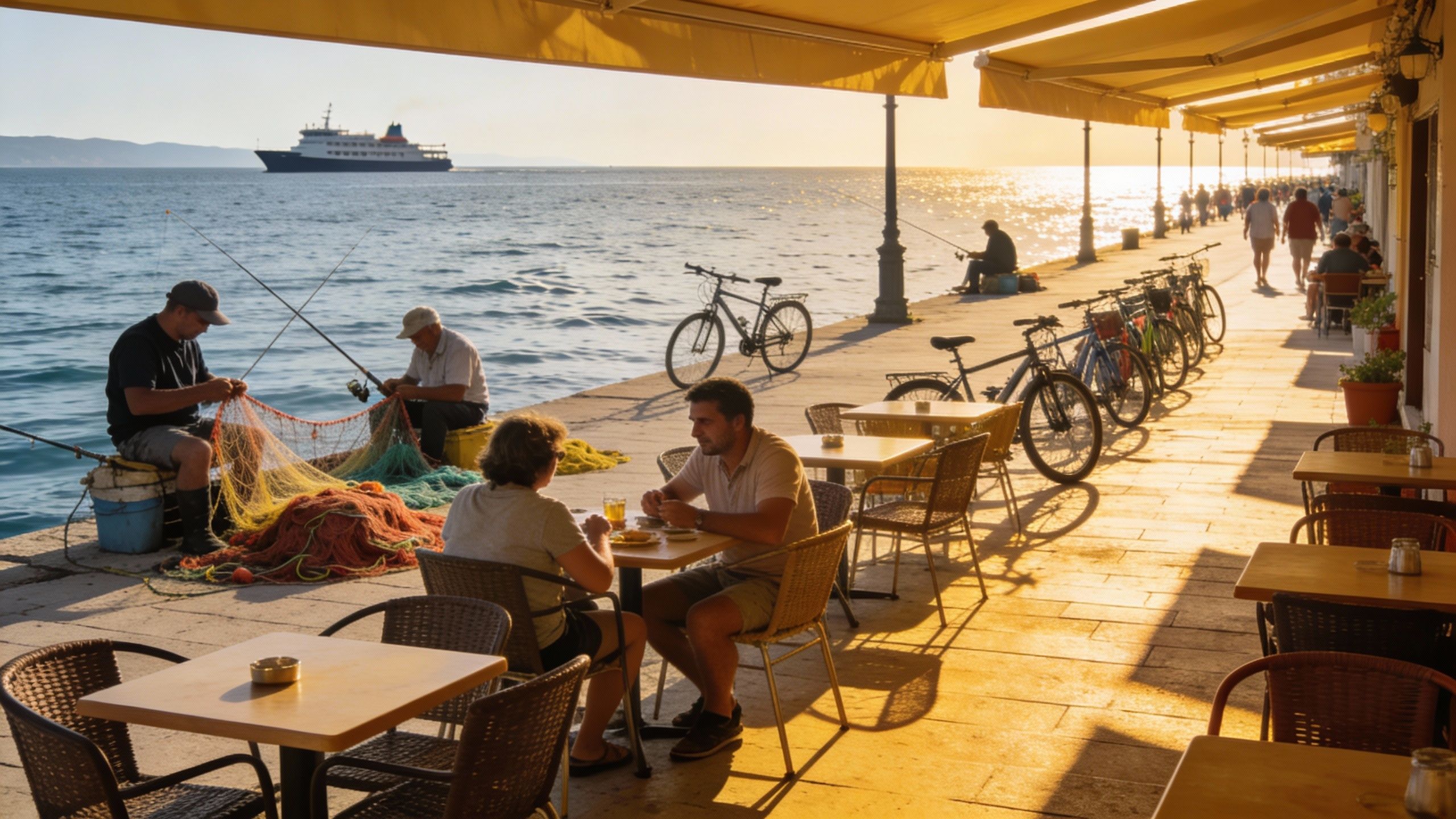
Imagine sitting at a sunlit table on Split’s Marmontova, espresso steaming, while rentable apartments on nearby side streets sit empty outside July and August. That seasonal pulse — hectic summers, quiet winters — shapes life in coastal Croatia. New rules shifting taxes, short‑stay registrations and neighbour consent are turning that pulse into a new rhythm for buyers. Understanding those regulatory beats changes whether a coastal studio is a speculative short‑stay play or a long‑term income asset.
Living the Croatian lifestyle — and what it costs you
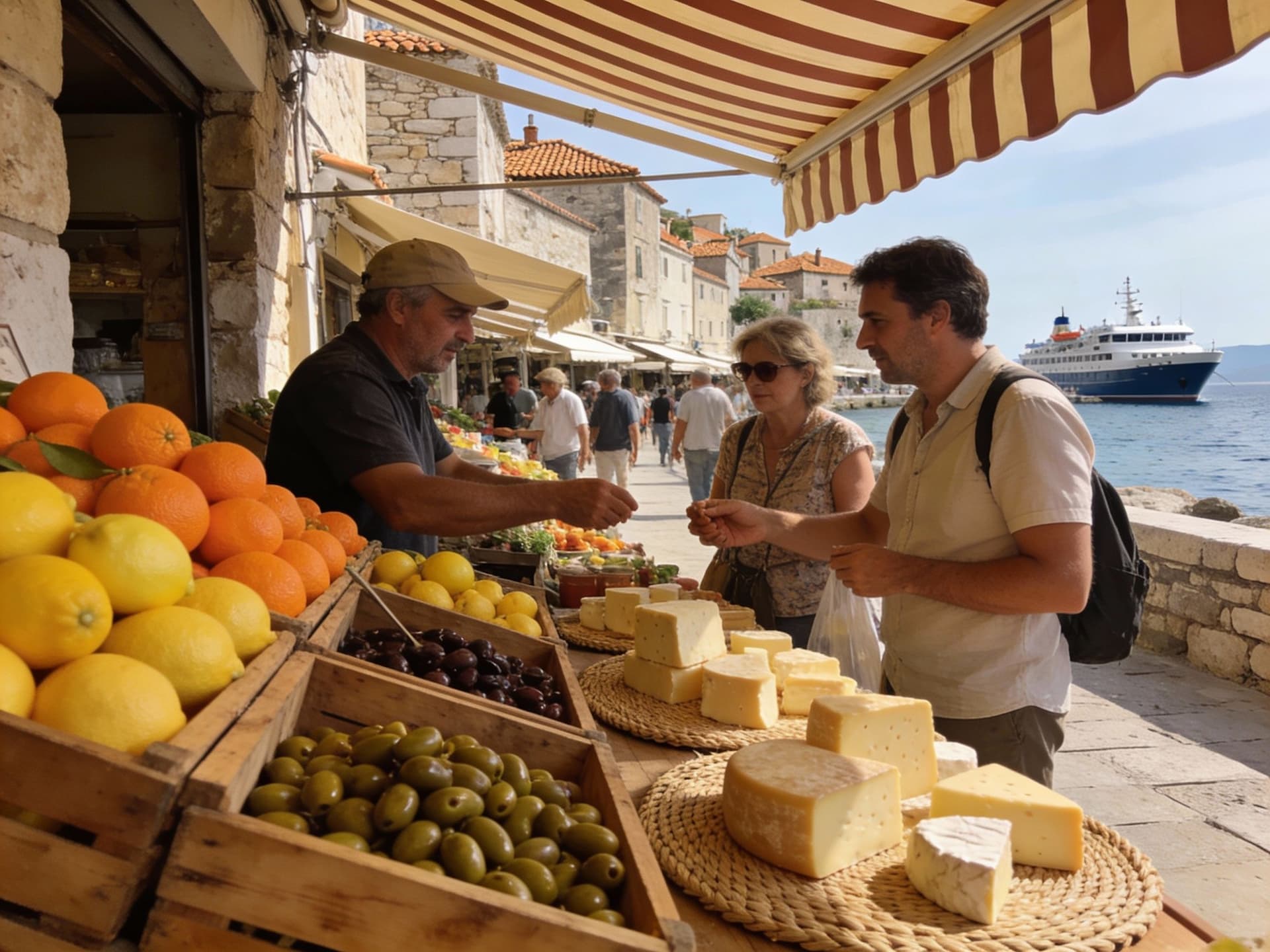
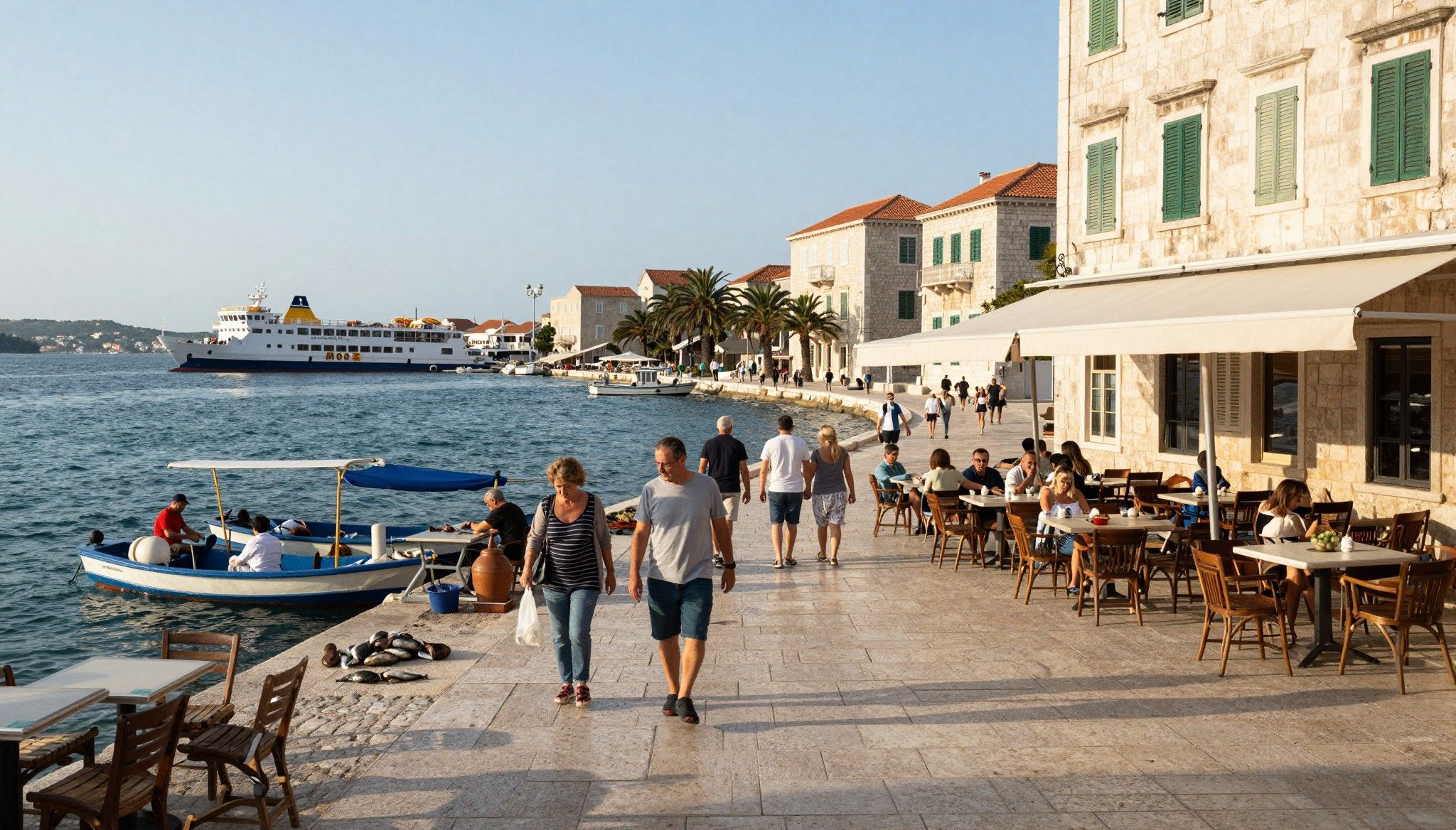
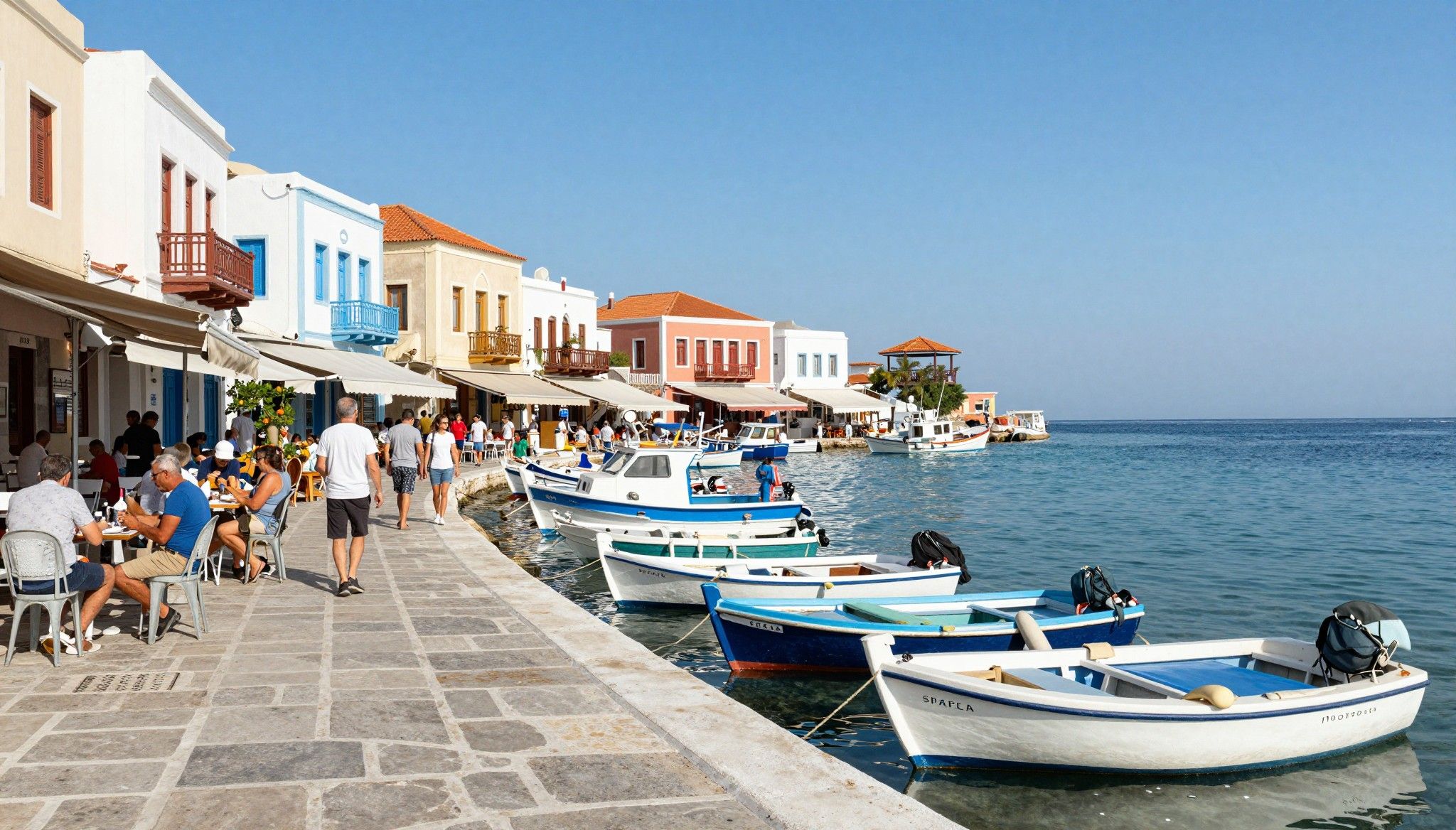
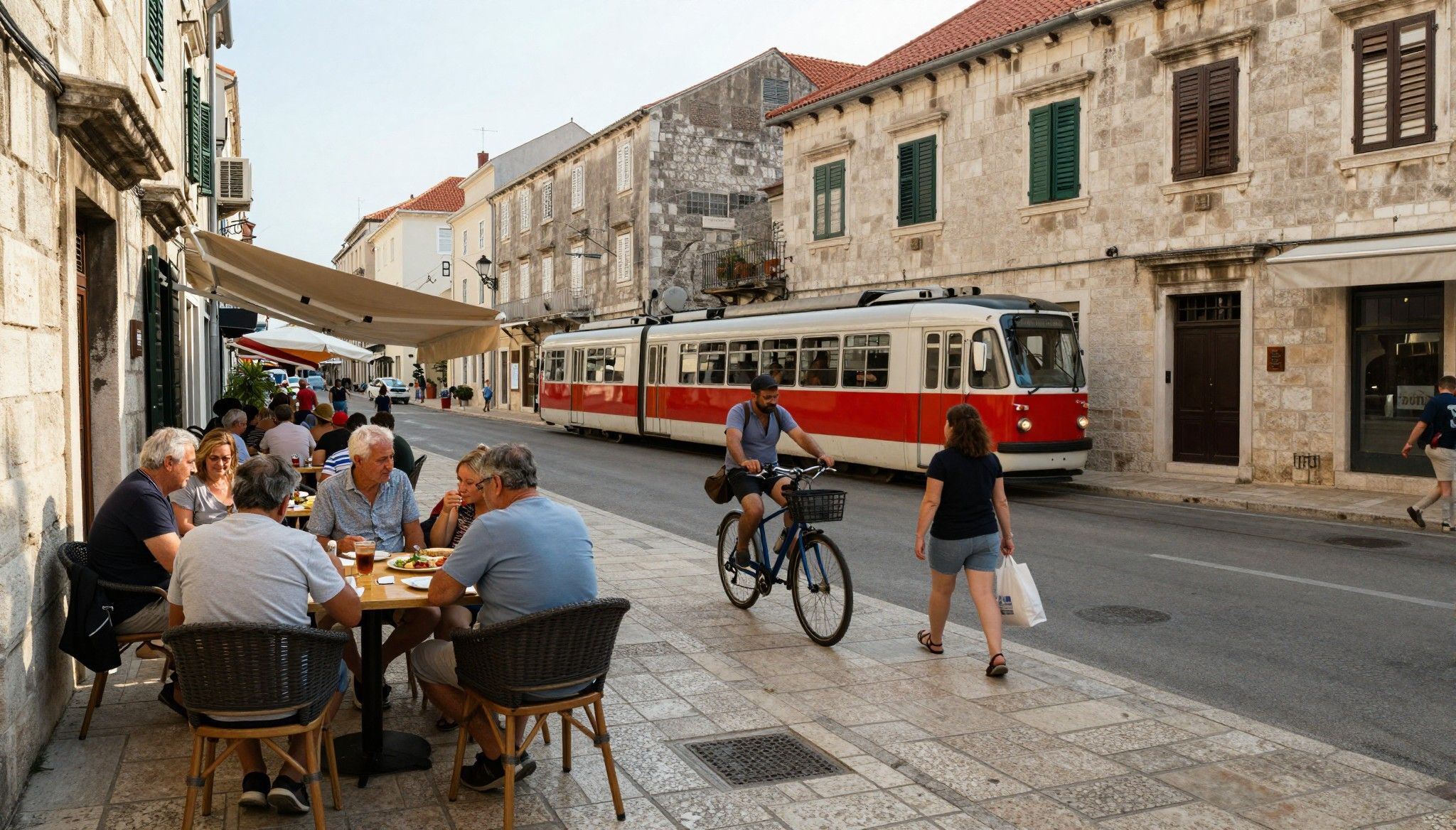
Croatia offers warm Adriatic summers, stone‑paved old towns and a weekday rhythm that slows after lunch. Coastal towns like Dubrovnik, Split and Rovinj feel tourist‑saturated for months, while inland regions — Istria’s hilltop villages, Slavonia’s vineyards — keep steadier year‑round communities. Recent national and municipal measures aim to rebalance tourism and housing supply; that changes daily life for residents and the economics for landlords. For buyers, lifestyle choices now map directly onto regulatory risk: where you want to live influences what you can legally rent and when.
Spotlight: Dubrovnik Old Town — postcard or policy battlefield?
Picture narrow limestone alleys, cruise‑ship wakes and a UNESCO‑protected skyline. Dubrovnik’s council has moved to ban new private rental permits in the Old Town and to reacquire apartments for local families. That policy restores neighbourhood life but reduces the pipeline of legally rentable short‑stay inventory. If you were buying for peak summer short‑stays, Dubrovnik shows how cultural protection can immediately reprice the income case.
Food, cafés and the rhythm that attracts tenants
From fish markets in Zadar to kafanas in Zagreb, Croatia’s day is built around cafés, marketplaces and shared squares. These public spaces create consistent rental demand for longer stays: digital nomads who want a stable base, families seeking schools, and retirees looking for community. As municipal rules make short‑stay renting harder to scale, properties near reliable amenities become more attractive for long‑term leases. Think proximity to farmers’ markets, ferry links and fibre internet, not just a sea view.
Making the move: regulatory changes that reprice returns

In 2024–25 Croatia introduced two regulatory levers that materially affect investment returns: a (m²) property tax aimed at discouraging empty tourist units and stricter rules on short‑stay operations that empower municipalities. The shift toward a per‑square‑metre tax (reported at €0.6–€8/m² locally) alters holding costs for coastal apartments that sit vacant off‑season. For non‑EU buyers, reciprocity and ministry approvals remain relevant — they can lengthen purchase timelines or force corporate structures. These are not theoretical changes; they directly compress net yields on marginal short‑stay plays.
Property types and the new yield math
Small studios marketed for weeks in July and August face higher effective taxes and registration burdens under recent rules, which lower net operating income. Conversely, well‑located two‑bed apartments near year‑round demand drivers (universities, hospitals, corporate hubs) fare better when owners redirect to 8–12 month leases. The EU’s push for harmonised short‑stay registration increases transparency and compliance costs, but it also reduces undisclosed competition from unregistered units. In short: the yield differential between seasonal and year‑round assets is narrowing.
Steps to stress‑test a Croatian purchase under new rules
Use this checklist before you sign: factor taxes, permissions and seasonality into a model rather than relying on headline summer rates. Below are six practical steps that blend lifestyle aims and regulatory reality.
Estimate net yield adjusting for: (1) the new per‑m² property tax if local authorities apply it; (2) potential months of legal short‑stay operation; (3) platform commission and local tourist levies.
Confirm municipal short‑stay rules: check whether the town imposes moratoria (Dubrovnik has banned new Old Town permits) and neighbour‑consent thresholds that affect registration.
Model a long‑term lease scenario: project 10–12 month occupancy with local rent levels rather than 3–4 month peak occupancy; compare taxable income and cashflow versus seasonal operation.
Account for purchase timing and approvals: non‑EU nationals from reciprocity countries still need ministry approval in many cases; add 1–6 months to your transaction timeline and budget for legal fees.
Speak to a local property manager and an accountant who has handled the recent tax reforms; local experience will reveal practical exemptions (for example, exemptions for units rented ≥10 months).
Stress‑test exit scenarios: simulate resale values assuming tighter short‑stay markets and a modest capital appreciation rate; coastal premium may compress if supply converts to long‑term housing.
Insider knowledge: what expats wish someone told them
Expats often assume coastal means high demand and easy income; they don’t always factor in municipal policy swings or the administrative time non‑EU buyers may face. Many who bought expecting summer cashflow pivoted to long‑term rentals or sold when local taxes rose. A common practical lesson: choose a city or inland town where community infrastructure supports year‑round living — medical centres, schools, broadband and regular transport — and your downside risk falls. Local agencies that know municipal politics, not just listings, become your best hedge.
Cultural integration and daily life
Croatians prize neighbourhood life: evening promenades (riva), local markets, and small‑scale social clubs. Learning some Croatian opens doors to long‑term tenants and better community relationships that reduce vacancy and maintenance headaches. For many buyers the biggest non‑financial win is a stable tenant who treats a place like home rather than a short‑stay guest. That social capital lowers turnover cost and supports steadier yields over time.
Lifestyle + regulatory factors to prioritise when choosing a neighbourhood
Proximity to year‑round employment (hospitals, universities, tech hubs).
Municipal stance on short‑stay rentals and local tax policies.
Public transport and ferry connections for island or coastal locations.
Market depth: number of listings by month and average days‑on‑market.
Conclusion — where regulation creates opportunity
Regulatory tightening in Croatia reprices coastal short‑stay strategies but also creates predictable rules that investors can model. The upshot: favour assets with year‑round demand, budget explicitly for new per‑m² taxes and registration costs, and use local counsel to navigate reciprocity approvals. If you love Croatia’s lifestyle — the markets, coffee culture, and Adriatic light — plan your finances so the dream is sustainable, not seasonal. For an investor that treats real estate as an asset, these regulatory shifts reduce uncertainty once properly modelled, and that invites deliberate opportunity rather than surprise.
Norwegian market analyst who relocated from Oslo to Mallorca in 2016, guiding Northern buyers through regulatory risk, currency hedging, and rentability.