When Croatia Taxes Idle Seaside Homes: What Changes for Yields
Croatia’s coastal appeal is intact, but short‑stay clampdowns and property tax proposals change yield math — prioritise year‑round demand and compliance to protect returns.
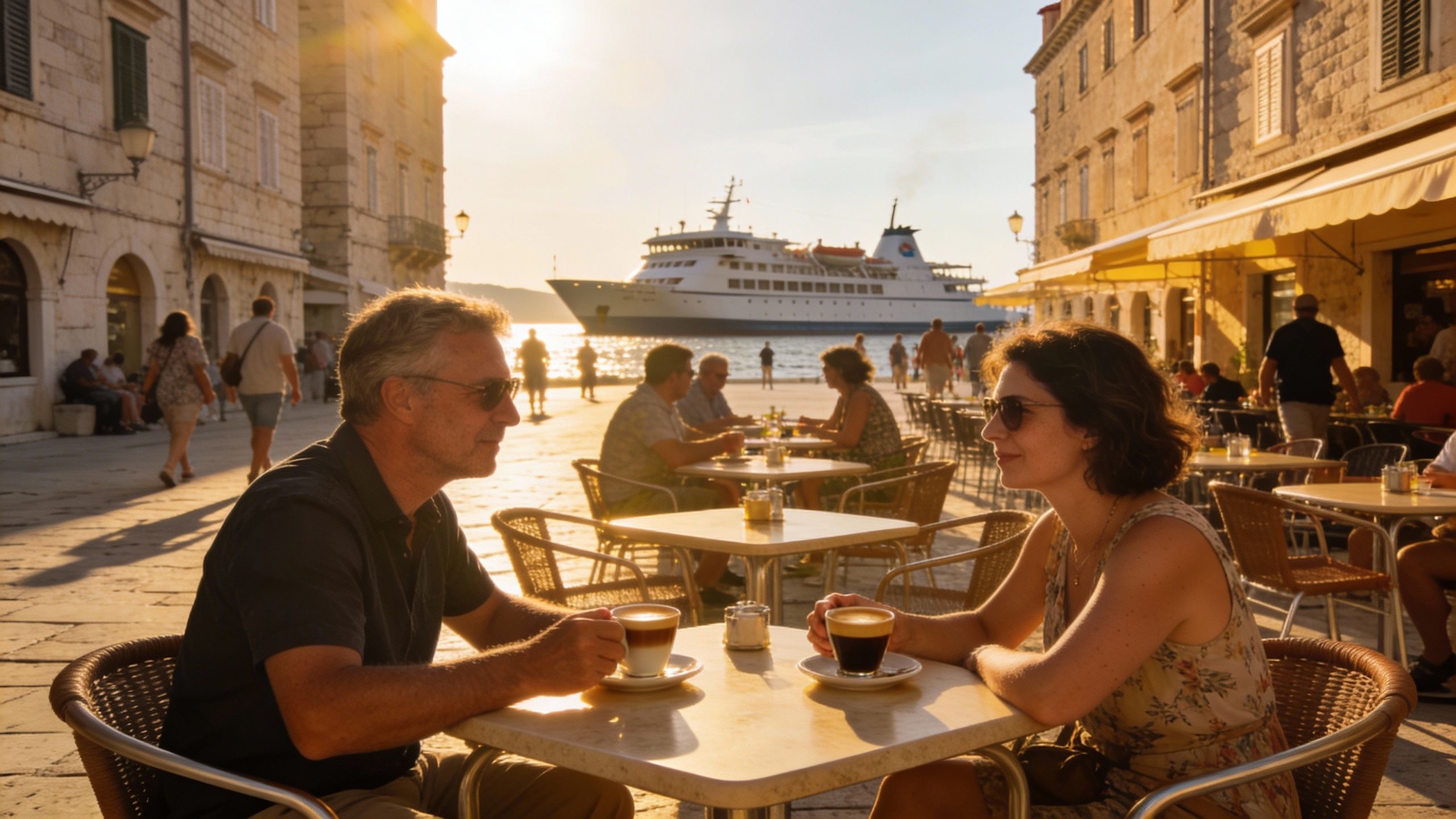
Imagine starting the day with espresso at Split’s Riva, then walking a fifteen‑minute ferry ride to a stone island cove where neighbours still barter for fresh fish. Croatia feels Mediterranean in rhythm — coastal mornings, market noise, late dinners — yet beneath the postcard is a market shifting fast as authorities tighten rules on short‑stay lets and tax idle coastal homes. These regulatory shifts matter because they change cashflow patterns, occupancy risk, and the math you use to value a seaside apartment. Read on for how lifestyle and regulation now collide — and what that means for returns.
Living Croatia: atmosphere, rhythms and neighbourhoods
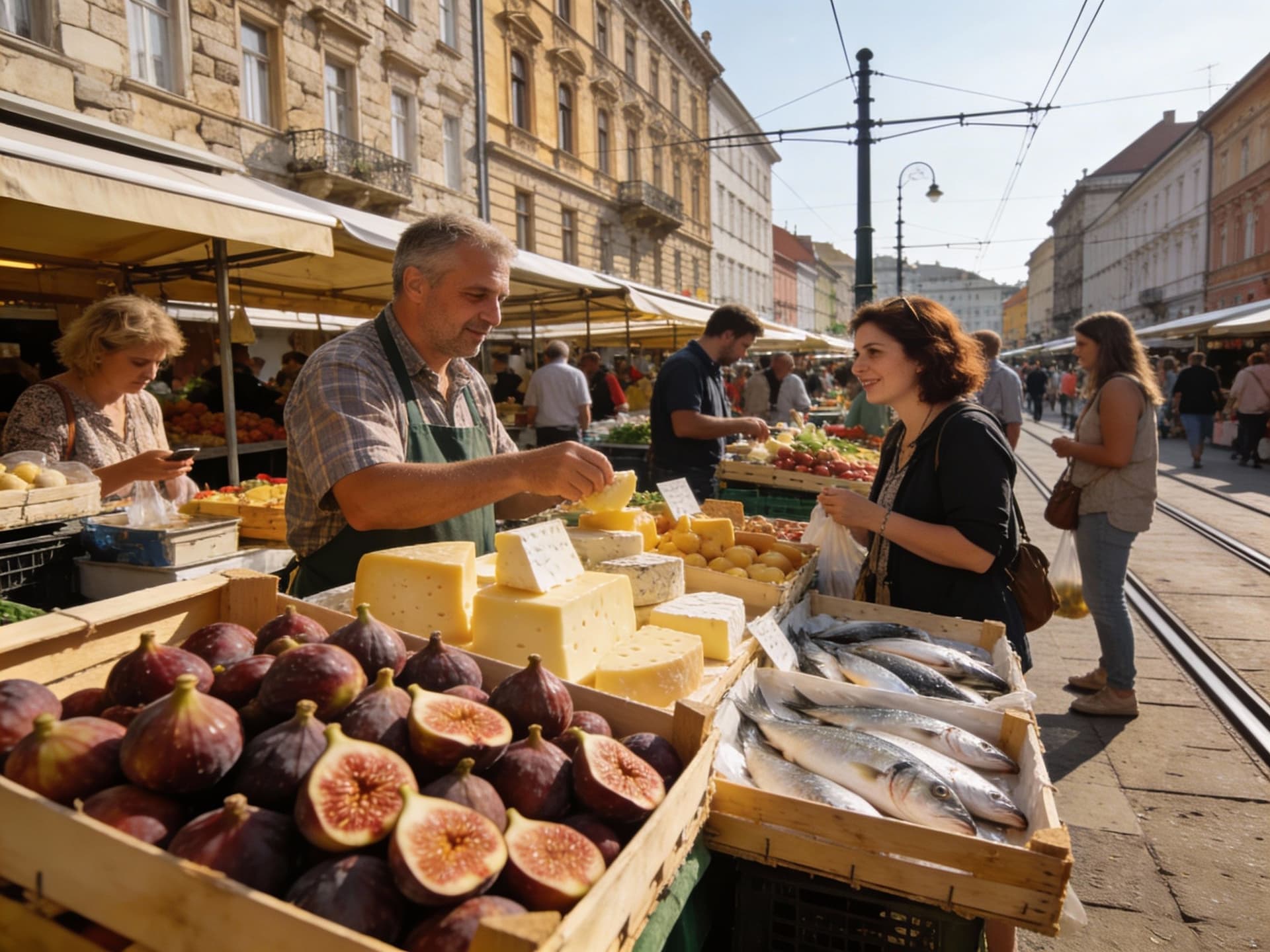
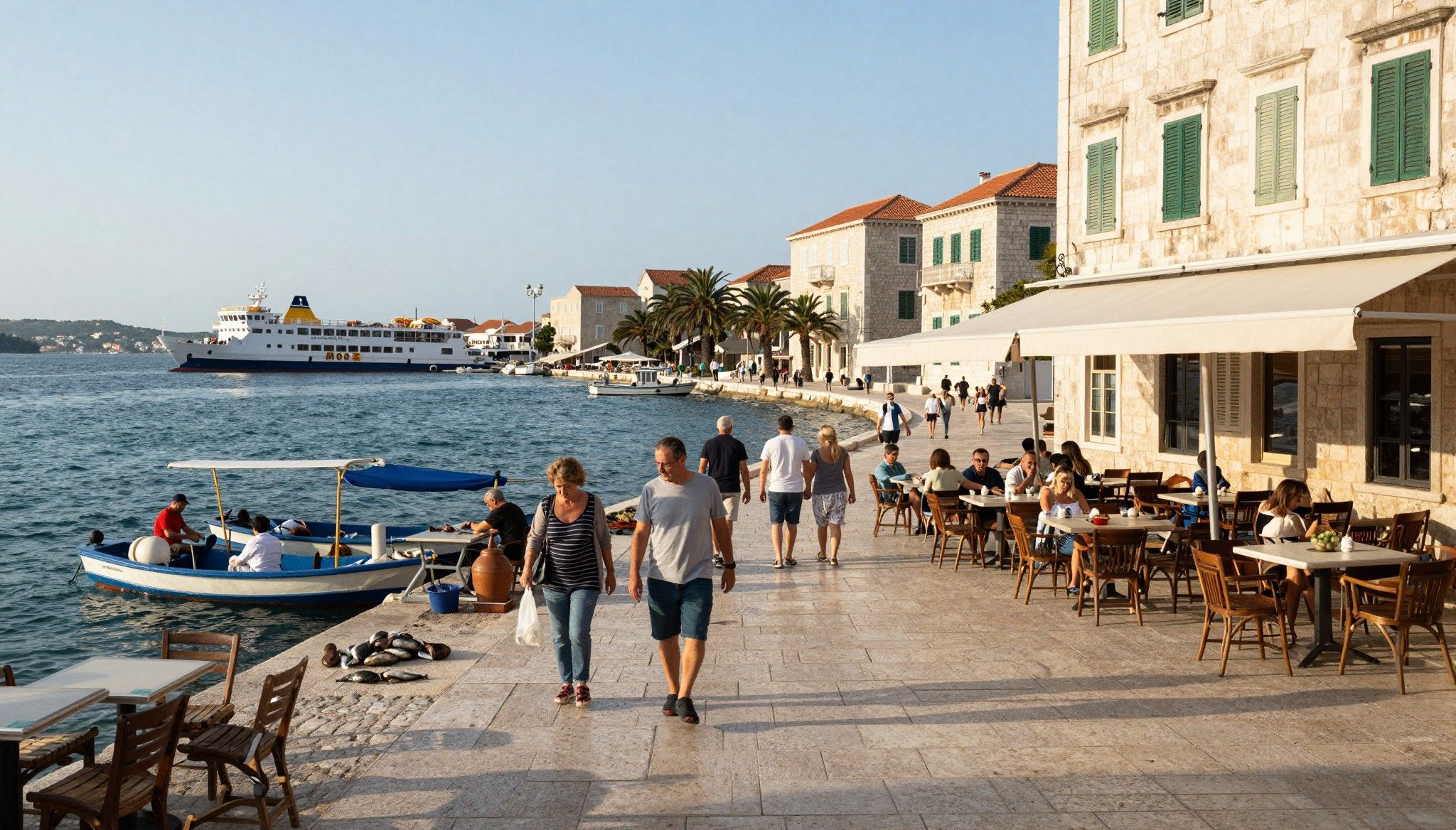
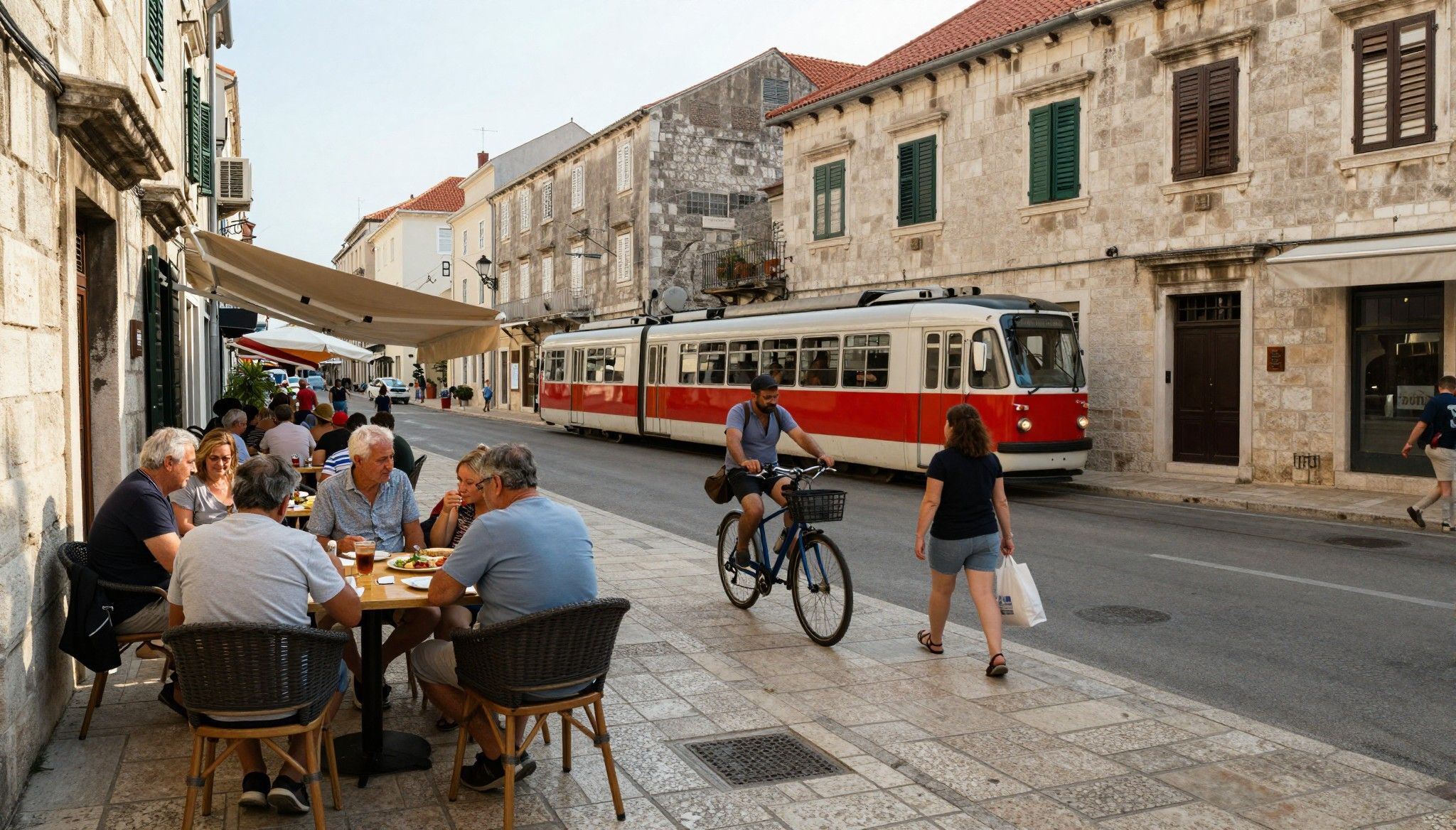
Croatia’s coastal towns balance erasable tourism gloss with stubborn local routines. In Dubrovnik’s Old Town you’ll hear church bells cut through the tourist promenade; in Rijeka the coffee culture skews working‑class and local; Zagreb’s leafy neighbourhoods — Jarun and Maksimir — hum with year‑round life. The effect for buyers is straightforward: where daily life persists outside June–September, long‑term rental demand is steadier, and maintenance‑heavy holiday units become riskier outside peak season.
Coastal spots vs. city life — practical differences
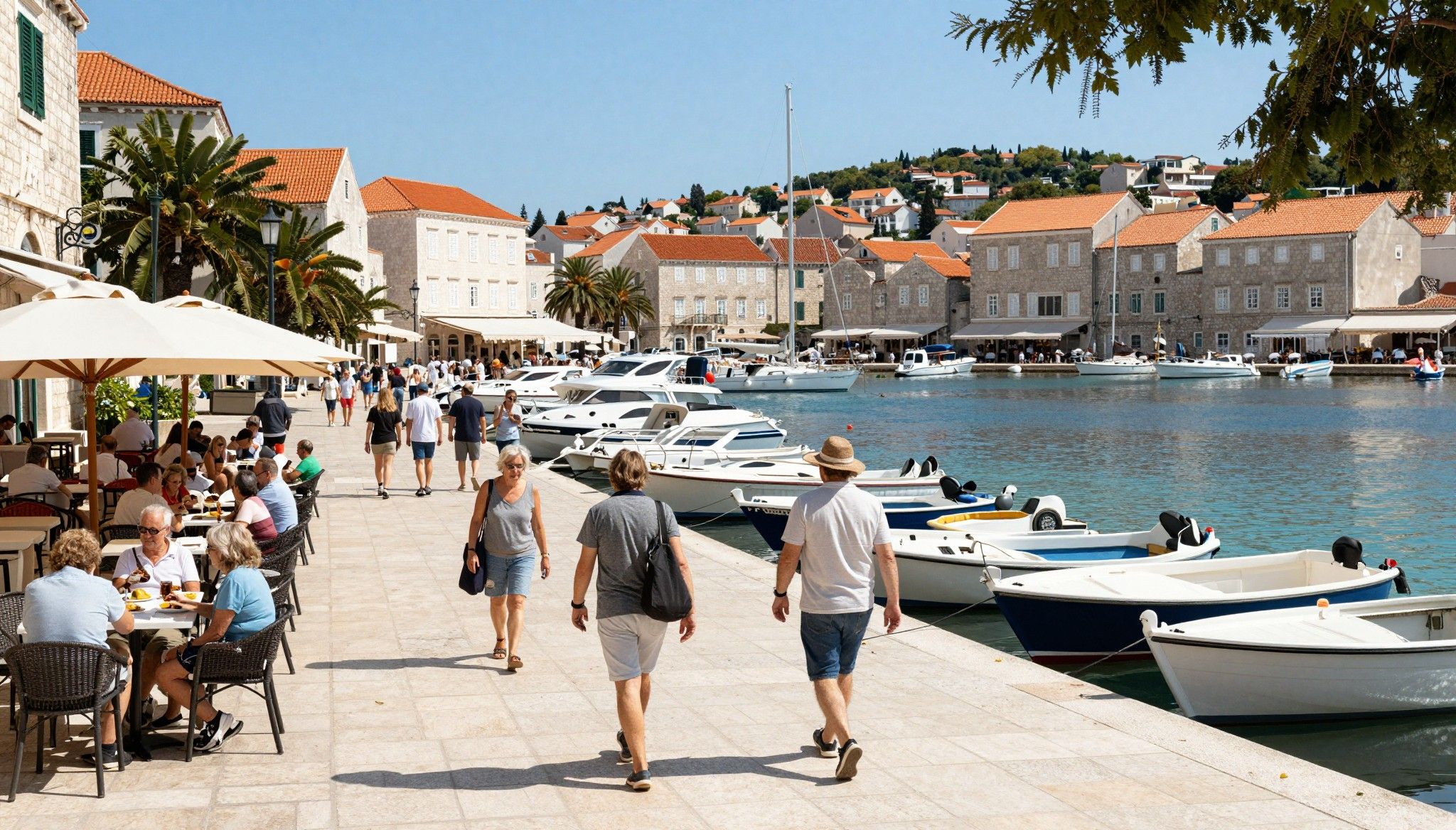
Coastal towns like Rovinj, Trogir and parts of Split deliver high seasonal rents but volatile occupancy. City cores — Zagreb and Osijek — offer steadier monthly demand from students, professionals, and public servants. For an investor this split increases the value of diversified portfolios: coastal assets can deliver exceptional short bursts of cash, cities provide baseline yield stability and lower vacancy risk.
Food, markets and the small rituals that shape neighbourhood choice
Picture Saturdays at Dolac market picking figs and cheese, or weekday aperitifs at Bačvice beach bars in Split. These everyday anchors determine tenant types: markets and cafes attract long‑stay tenants who prize convenience, while proximity to marinas and seasonally busy promenades draws short‑stay tourists. When you target a neighbourhood, match property features — parking, elevator, soundproofing — to the rhythm of local life, not just the Instagram shot.
- Lifestyle highlights and where they matter
- Morning coffee at Riva, Split — tourist‑proof foot traffic that supports cafés and boutique retail
- Dolac market, Zagreb — stable local demand and predictable long‑term rental appeal
- Trogir and local marinas — short‑stay premium but regulatory scrutiny and seasonal empty months
- Inland towns (Varaždin, Osijek) — affordability, year‑round tenants, lower maintenance
Making the move: how regulatory changes reprice returns
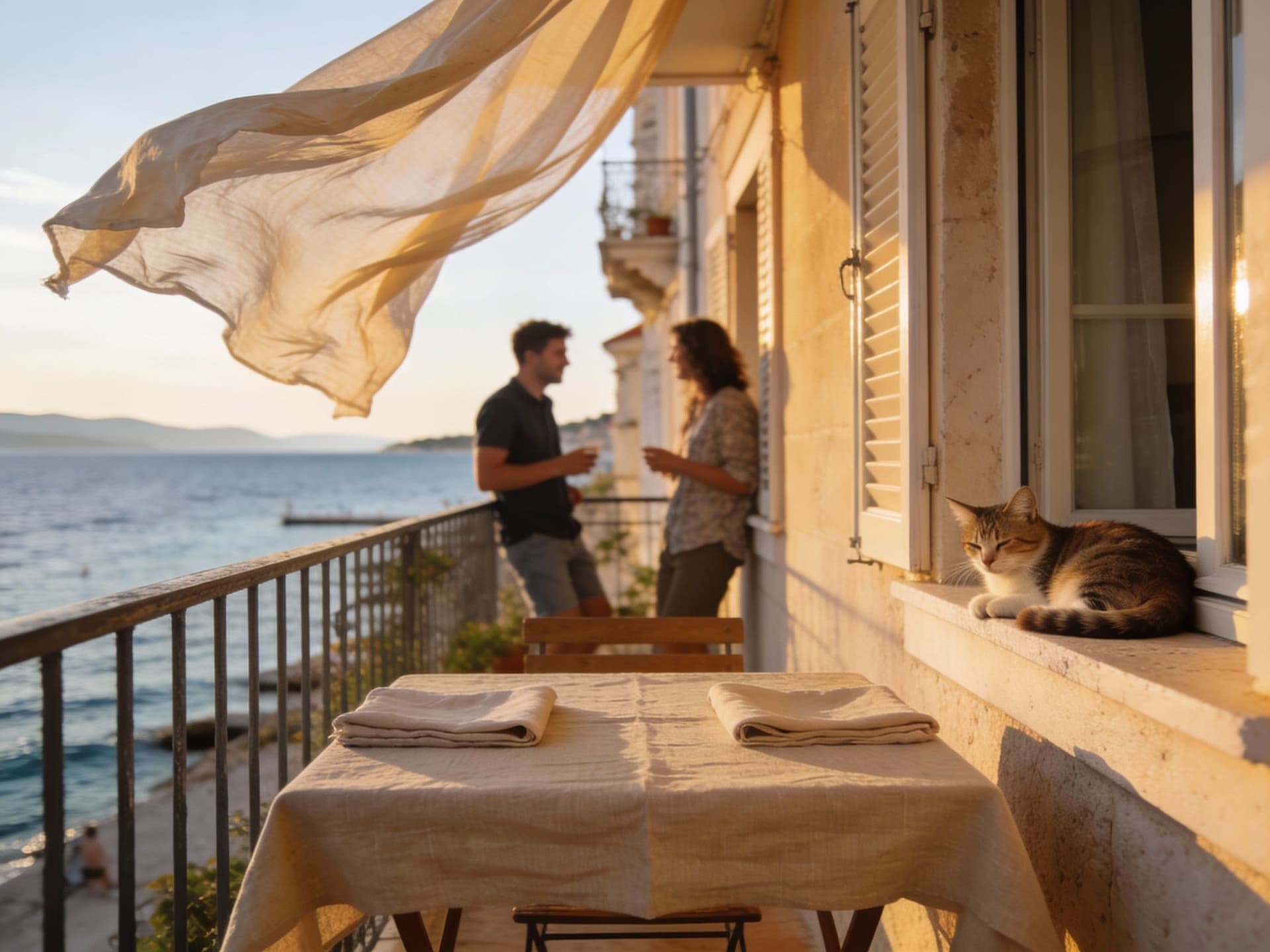
From late 2024 Croatia signalled a clear policy pivot: tighter rules on short‑term tourist lets, higher taxation on idle properties, and a proposed property tax aimed at discouraging speculation. These measures change the expected cashflows of typical Adriatic investments and lift the bar for underwriting coastal apartments based solely on summer occupancies. Investors must translate regulation into adjusted yield forecasts — and fast.
What changed (short summary of the rules)
Proposals include a new property tax from January 1, 2025, penalties or higher levies for units left idle or used predominantly for short‑stay lets, and tighter permit regimes in historic centres such as Dubrovnik’s Old Town. The aim is to free housing supply for residents and curb market overheating. For owners, this can mean higher fixed holding costs and reduced seasonal arbitrage.
How this shifts valuation — cap rate and occupancy math
Use two adjustments when modelling Croatian coastal assets: 1) reduce peak‑season occupancy assumptions by 10–30% if local permits are restricted or tourist caps apply; 2) add a fixed annual charge per m² to reflect property tax proposals and municipal bed levies. House price indexes show double‑digit nominal increases recently, so capital appreciation expectations must be tempered by higher policy risk.
- Steps to reprice your investment model for Croatia
- Recalculate base occupancy: replace a 70–90% summer occupancy assumption with 40–60% for conservative coastal forecasts
- Add tax and compliance charges: include municipal bed taxes, potential property tax per m², and higher platform commission VAT in operating expenses
- Stress test financing: check debt covenants against 12‑month cashflow scenarios where summer income falls by 50%
Insider knowledge: expat realities, agency roles and the local pulse
Expats often arrive enchanted by coastal light and stone streets, then discover that permits, registrations and local expectations — not just aesthetics — determine success. Agencies that excel combine lifestyle matchmaking with compliance logistics: municipal registrations, tourist board (TZ) reporting, and clarity on utility responsibilities. If you want a property that pays while you’re away, choose partners who can operationalize long‑term rentals rather than just list short‑stay adverts.
Cultural quirks and operational realities
Local customs — from Sunday shop closures in smaller towns to tenancy norms favouring local contracts — affect occupancy and management cost. Language matters: a Croatian‑speaking property manager reduces compliance friction and speeds up permit approvals. Practicalities like heating systems in stone houses and seasonal maintenance of seafront facades add recurring costs that buyers often under‑budget.
What successful expats wish they'd done differently
They would have: focused on year‑round tenant demand, contracted management that reports monthly financials, and required municipal permit audit clauses in sales contracts. Treat Croatian property as an income asset first: occupancy reliability and regulatory compliance beat a summer‑only yield chase. That shift in mindset separates hobby owners from sustainable investors.
- Agency checklist: questions to ask before signing
- Do you register properties with the local TZ (tourist board) and remit tourist tax monthly?
- Can you provide audited occupancy and net yield data for comparable properties in the same street or block?
- Who handles municipal permits if the town enacts new short‑stay caps or bed limits?
Croatia’s market remains attractive but no longer permissive. House price indexes and asking price data show strong recent appreciation — the catch is policy risk and greater operating costs. If you value seaside living, prioritise properties with year‑round demand characteristics: proximity to hospitals, schools or regular transport links rather than purely sea views. Those features protect occupancy when national rules tighten.
Data snapshot: national average prices per m² have risen materially in recent years and house price indices reached new highs in 2025, underscoring capital gains to date. But Reuters’ reporting on tax reforms and short‑stay clampdowns signals higher holding costs and potential caps on tourist income. Use these sources to stress‑test assumptions: recent price gains do not preclude near‑term yield compression.
A practical checklist before you buy
- Inspect permit status: ensure the property has documented tourist registration if you plan short‑stay lets and confirm any recent municipal restrictions.
- Model worst‑case occupancy: run a 12‑month scenario with summer income reduced by 50% and include proposed property taxes per m².
- Secure a local manager who handles TZ reporting, municipal compliance and provides transparent monthly P&L statements.
- Factor in renovation seasonality: budget for off‑season repairs and coastal façade work that can be quoted higher by local contractors.
Conclusion: Croatia remains a place you can fall in love with and invest in, but the rules of the game have changed. Value the rhythms that produce steady rents, work with agencies that understand municipal levers, and treat regulatory shifts as a core input to yield modelling. If you prioritise year‑round tenant demand and insist on transparent, audited occupancy data, you’ll build a resilient Croatian holding that supports both lifestyle and returns.
Swedish financier who guided 150+ families to Spanish title deeds since relocating from Stockholm in 2012, focusing on legal and tax implications.