How Cyprus’ New Rules Reprice Ownership & Yield
How recent Cyprus rules on foreign purchase, residency pathways and north‑of‑island enforcement reshape yields and ownership risks for international buyers.

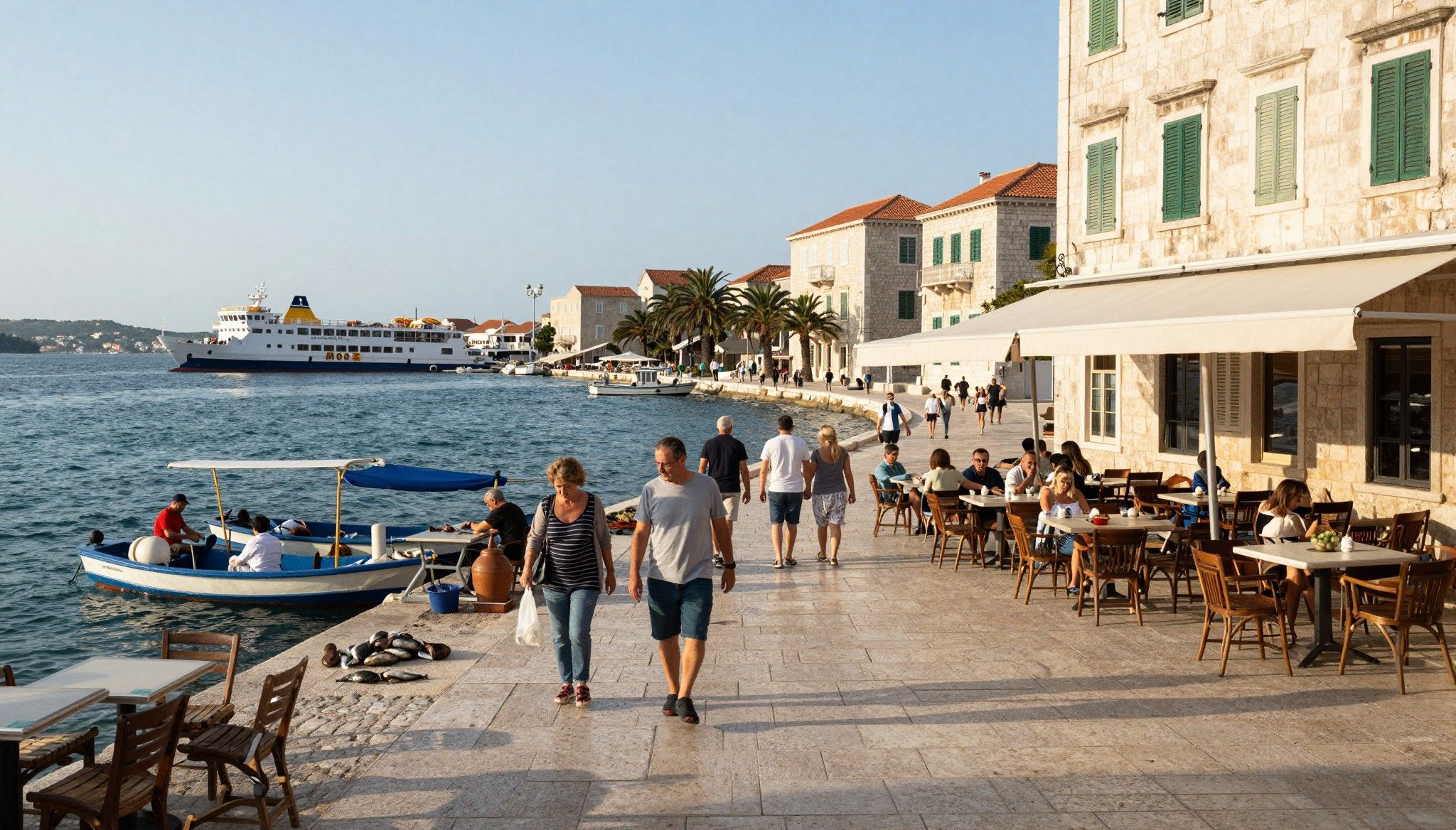
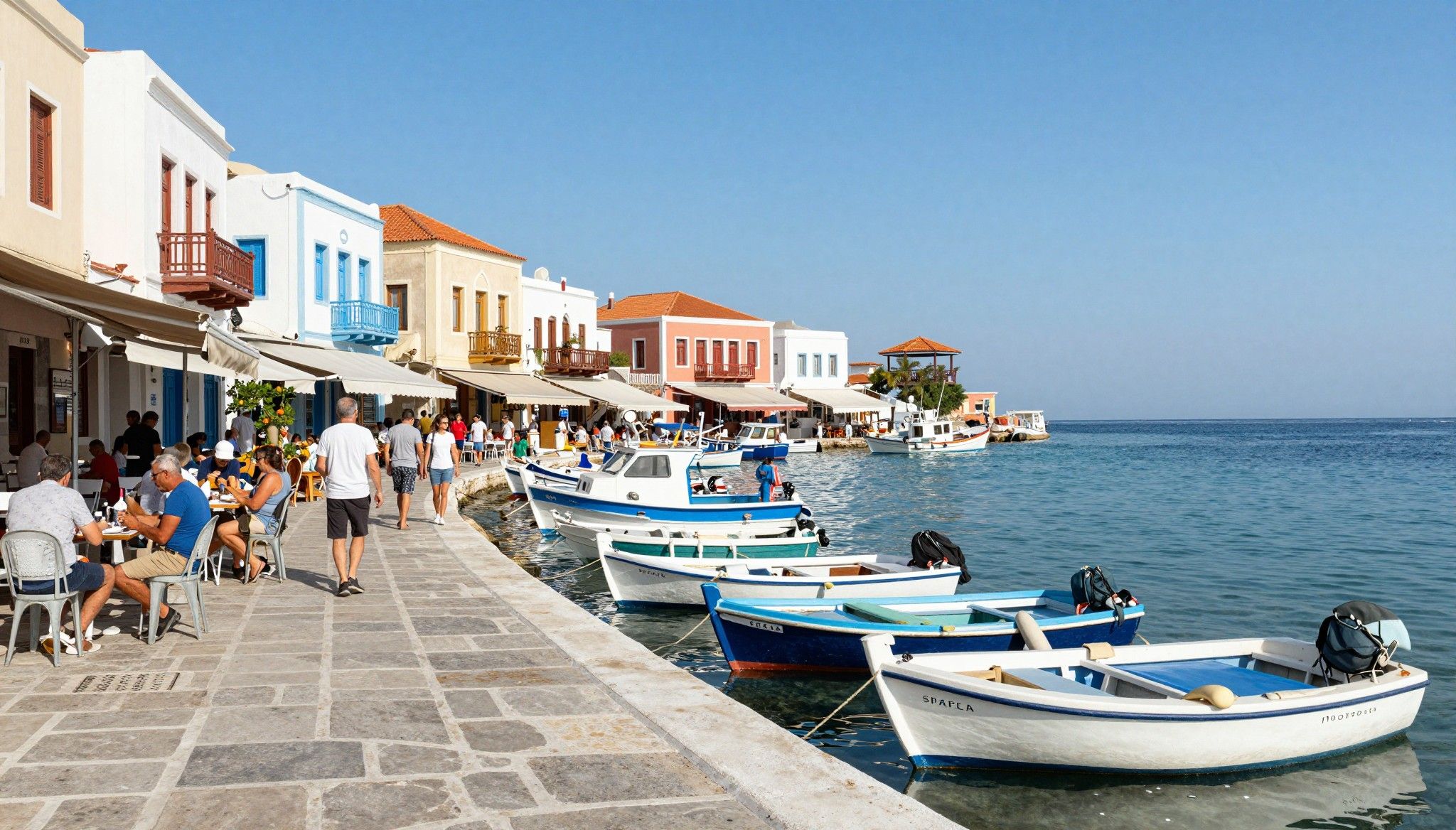
Imagine sipping a strong Cypriot coffee at To Perivoli in Agios Nicolaos, Limassol, while a property manager confirms next month’s bookings for the one-bedroom you’re thinking of buying. That scene captures Cyprus’s dual appeal: sea-stroked days and a steady rental pipeline. But recent regulatory shifts—around foreign acquisition, residency pathways and enforcement of north‑of‑the‑island transactions—change how that lifestyle translates into returns. This guide pairs that lived-in vision with the rules that will shape your net yield and legal exposure.
Living the Cyprus lifestyle

Cyprus moves at Mediterranean time: mornings start with bakeries filled with koulouri, afternoons drift toward beaches at Fig Tree Bay or Mackenzie, and evenings collect at tavernas in old town Paphos. English is widely spoken in commercial districts; expat communities cluster in Limassol marina, Paphos coastal villages and parts of Larnaca. For investors, that daily rhythm matters — it shapes seasonal rental demand, preferred floorplans (terraces, storage for surf gear) and amenity expectations (parking, AC, fast broadband).
Limassol marina & old town: business by day, relaxed by night
Limassol combines corporate gravity with seaside leisure. Tech firms and shipping offices attract long‑stay professionals who want modern two‑bed apartments close to cafes and co‑working spaces. Expect higher price per m² here, but also stronger long‑term corporate tenancy and shorter void periods.
Paphos & Peyia: holiday tone with year‑round owners
Paphos mixes archeological charm and family‑oriented suburbs. Its appeal to retirees and seasonal tourists creates two demand streams — peak summer short‑lets and stable longterm local renters. Note the legal sensitivities around properties in or marketed as in the north; recent prosecutions underline that buyers must verify title legitimacy before signing.
Lifestyle highlights
Morning coffee at To Perivoli (Limassol); afternoon walk along Limassol Promenade; weekend market in Larnaca’s finikoudes; sunset at Coral Bay (Paphos); north coast village tavernas for fresh fish; English‑language meetups and international schools in Limassol.
Making the move: practical considerations

Lifestyle sells the dream; regulation defines what you actually own. Cyprus’s Acquisition of Immovable Property (Aliens) Law (Cap.109) still governs third‑country purchases, with documented limits and an application process through district offices. Recent public debate and proposed legislative tweaks have focused on clarifying approvals and restricting sensitive land types — making early legal checks non‑negotiable.
Property types and how they fit life and returns
Apartments near marinas or university campuses suit yield‑first buyers: lower maintenance and steady long‑term lets. Detached houses or villas (Paphos hinterland) attract families and holiday repeaters but typically have higher capex (gardens, pools). New builds promise energy efficiency; older properties in old town pockets offer renovation upside but require title and planning checks.
Work with local experts who know the rules
Engage a local lawyer to confirm title and whether purchase requires prior approval; use an estate agent experienced with cross‑border clients; ask accountants about tax residency thresholds; hire a surveyor for coastal erosion or boundary issues; verify any short‑let licensing or municipal limitations before listing.
Market snapshot: apartments yield ~5% nationally (Q4 2024–Q1 2025), with Limassol and Larnaca leading; expect region‑specific price per m² variance. Use local yield benchmarks when stress‑testing purchase prices.
Insider knowledge: regulatory red flags and contrarian plays
Three emerging regulatory themes will change return profiles: stricter screening of non‑EU purchases, enforcement against illegal sales in the north, and greater administrative scrutiny at transfer registration. These are not theoretical — bills and parliamentary questions have already surfaced, and implementation details will drive how simple it is to transfer, mortgage or let a property.
Red flag: properties marketed with unclear title in the north
Developments in the Turkish‑administered north sometimes appear on international portals without full recognition of Greek‑Cypriot title claims. Recent prosecutions show authorities will act; buyers should treat such offers as high‑risk unless supported by independent legal opinion and recognised title chains.
Contrarian play: skip the obvious seafront and look inland
Inland towns (parts of Larnaca district, small Paphos suburbs) are showing faster percentage price growth off a lower base and strong rental demand from local workers. For yield‑focused buyers, a modest sacrifice on immediate sea view can improve gross and net yields and reduce regulatory complexity tied to prime coastal plots.
Steps to protect returns (practical checklist): 1) Confirm whether purchaser is subject to Cap.109 approval and obtain it in writing; 2) Insist on seeing registered title deeds and a recent encumbrance search; 3) Get a certified translation of any Greek documents; 4) Run a rental demand scan (seasonality, competing stock, probable nightly rates); 5) Model net yield including municipal tax, insurance, and potential vacancy.
What expats wish they’d known
Expats often underestimate administrative timelines and overestimate the power of informal assurances. Official permissions can take 2–3 weeks; banks and notaries expect documented provenance. Also, while the golden‑passport route was abolished in 2020, residency options remain (work permits, permanent residency by investment variants) — but don’t assume residency equals unconstrained ownership.
Longer term, plan for regulatory evolution. EU‑level scrutiny on investment‑for‑residency schemes and national moves to tighten acquisition rules mean that title clarity and compliance now are insurance against future enforcement or retroactive constraints.
Picture yourself six months after purchase: a tenant roster in your dashboard, a reliable local agent handling check‑ins, and a lawyer standing by for transfer filing. That achievable scenario depends less on romance and more on process — documents, permissions, and realistic yield models.
If you want to move from dreaming to earning: start with a title audit and a two‑year cashflow stress test that assumes a 20–30% seasonal vacancy and rising insurance and maintenance costs. Use local yield benchmarks and insist on documented Council/District approvals when required.
Swedish financier who guided 150+ families to Spanish title deeds since relocating from Stockholm in 2012, focusing on legal and tax implications.