How Cyprus' Residency Rule Shift Reprices Returns
Cyprus' tighter residency rules and verified‑investment requirements have reshaped demand: steady mid‑market yields now beat speculative luxury plays.
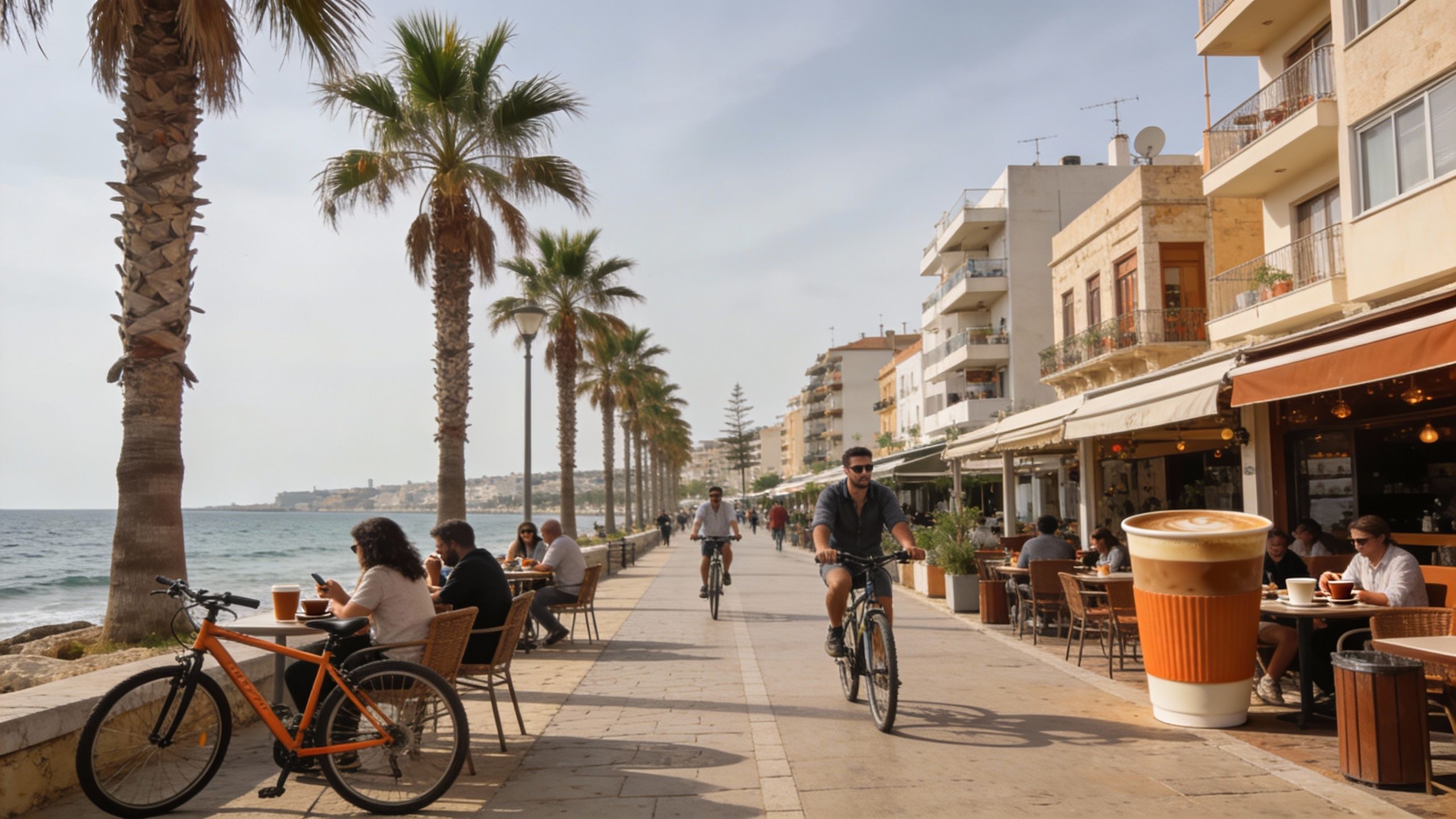
Imagine sipping strong coffee at Phinikoudes promenade in Larnaca as delivery cyclists thread past palm trees and a cluster of recently renovated apartments. The light, sea breeze and the coffee shop chatter make Cyprus feel like an extended weekend — but beneath that calm is a market being quietly reshaped by regulatory change that matters for returns.
Living Cyprus: the daily rhythm that changes how properties perform

Cyprus combines Mediterranean routine with compact, readable neighbourhoods: morning markets in Old Nicosia, late lunches on Limassol Marina, and weekend escapes to Troodos. That lifestyle shapes demand — small, well-specified apartments close to cafes and transport rent steadily, while large seafront villas depend more on seasonal leisure income and foreign-buyer sentiment.
Neighborhood spotlight: Limassol, Larnaca and Paphos — different markets, different risks
Limassol offers high-end rental demand from business travellers and luxury tourists; Larnaca trades on accessibility and a steady expat community around Finikoudes; Paphos remains the strongest foreign-buyer hotspot for long-stay holiday lets. Each district's tenant profile affects vacancy, achievable rents and cap‑rate expectations.
Food, markets and micro-lives that support city rental demand
A street-level scene — a bakery on Stasinou Road in Nicosia, a fish market in Larnaca — drives regular footfall. Properties within walking distance of weekly markets or near popular tavernas attract long-term renters who value convenience over view premiums. That reality changes how lifestyle premiums translate into sustainable yields.
- Lifestyle highlights that matter for investors: Phinikoudes promenade (Larnaca); Old Town tavernas (Paphos); Limassol Marina commercial strip; Troodos mountain escapes for weekend lets; Mackenzie Beach nightlife cluster (Larnaca).
Making the move: how recent regulatory shifts reprice ownership

In 2023 Cyprus tightened residency-by-investment rules: higher minimum declared income, narrower dependent coverage, and annual verification of retained investment. These rule changes reduce speculative short-term purchases and favour buyers planning long-term occupancy or professionally-managed rental portfolios.
Property types that win under the new rules
Because residency now demands verifiable ongoing income and retained investment, smaller multifamily units and professionally-managed apartment blocks become more attractive: they match local rental demand, reduce maintenance leakage and remain easier to document in compliance checks than speculative luxury projects.
How the rules affect price discovery and foreign-buyer flow
Official indices show modest price growth (HPI +2.0% year-on-year in Q1 2025). With tighter residency checks, foreign-buyer inflows have shifted from opaque high-end deals toward documented purchases in mid-tier districts — a structural change that mutes sudden luxury spikes but supports steady, lower‑volatility appreciation.
- Practical steps for buyers after regulatory shifts: 1) Verify whether a property contract predates regulatory cut‑offs (some rules grandfather earlier agreements). 2) Build a paper trail: documented income, bank provenance and retained investment evidence. 3) Prefer properties with existing rental histories or management contracts. 4) Budget for annual compliance checks and periodic criminal-record re-certifications.
Insider knowledge: what expats wish they'd known about compliance and lifestyle trade-offs
Expats often arrive enchanted and assume paperwork is a one-off. In Cyprus, the new residency regime means ongoing verification. That affects lifestyle choices: if you expect rapid short-let flips, the regulatory friction makes buy‑to‑hold and quality tenant selection a better match.
Cultural and community realities that change asset management
Cyprus' communal culture values long-term relationships — landlords who invest in local renovations and hire local managers report lower vacancy. Learning basic Greek phrases, using trusted local contractors in Limassol or Paphos, and attending municipal meetings saves costs and preserves yield.
Long-term view: where lifestyle and returns align
If you plan to live in Cyprus part-time and comply with residency rules, look for neighbourhoods that balance daily life with predictable rental demand — near universities, hospitals and established marinas. Those locations deliver consistent rents and lower management overhead than headline seafront properties.
- Red flags and regulatory traps to avoid: contracts signed without escrow protections; developers marketing 'residency guarantees'; assumptions that past citizenship programs remain available; purchases reliant on unverified third-party income claims.
- A short due‑diligence checklist for serious buyers: 1) Confirm contract registration status with the Department of Lands and Surveys. 2) Request the property's rental history or utility records for 24 months. 3) Engage a lawyer to verify compliance with the 2023 residency verification obligations. 4) Estimate total cost of ownership including compliance, management and conservative vacancy.
Conclusion — Cyprus as a lifestyle investment that rewards paperwork and patience: the island still sells a life of sun, food and compact neighbourhoods, but the regulatory pivot away from quick citizenship deals means returns now favour documented, long‑term owners who match lifestyle fit with disciplined financial planning.
Norwegian market analyst who relocated from Oslo to Mallorca in 2016, guiding Northern buyers through regulatory risk, currency hedging, and rentability.