How Greece’s regulatory shock reshuffles rental returns
Greece’s new short‑term rules and tax changes are reshaping yields; underwrite lifestyle demand against AMA, AADE and compliance costs to protect returns.

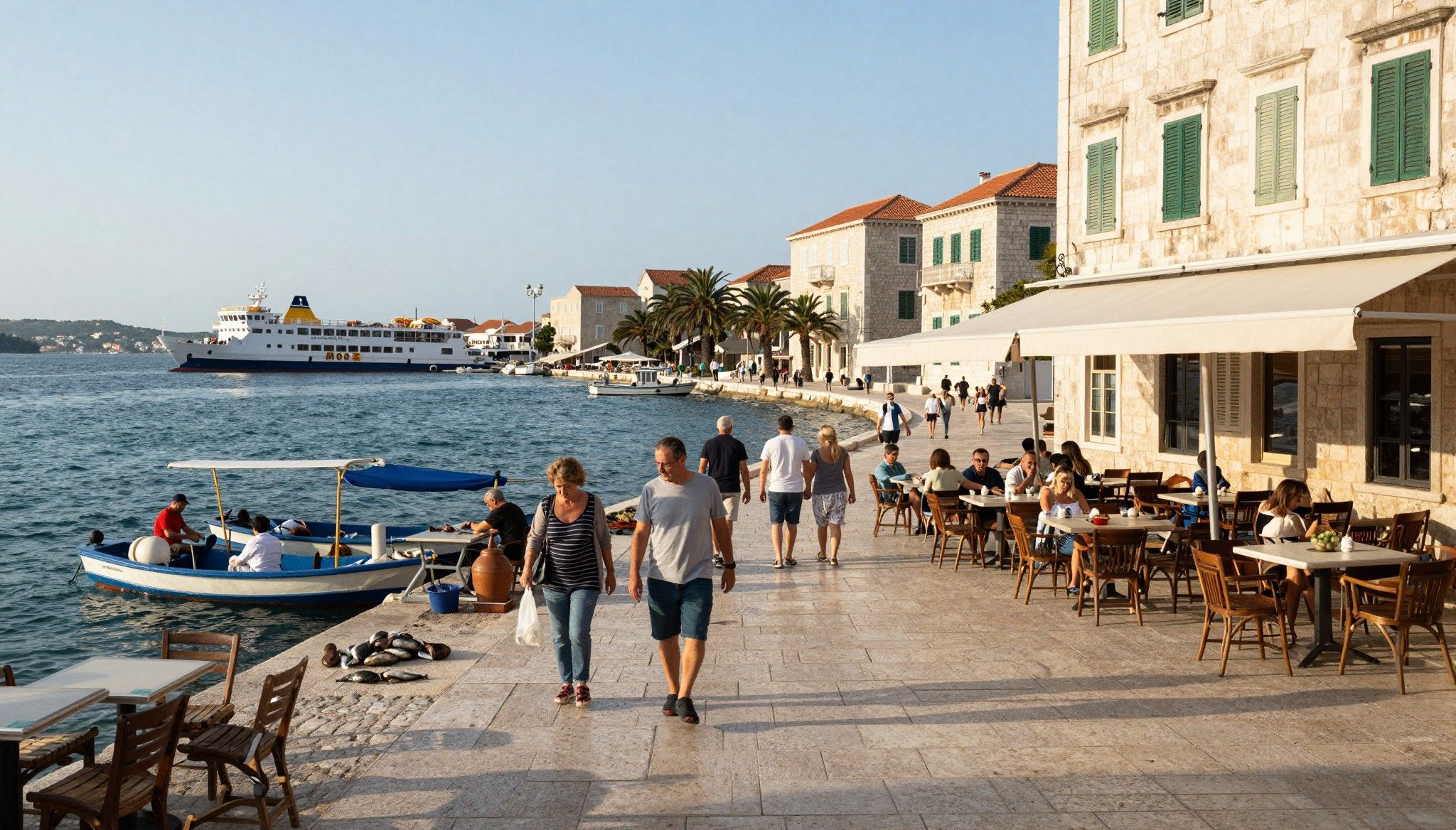
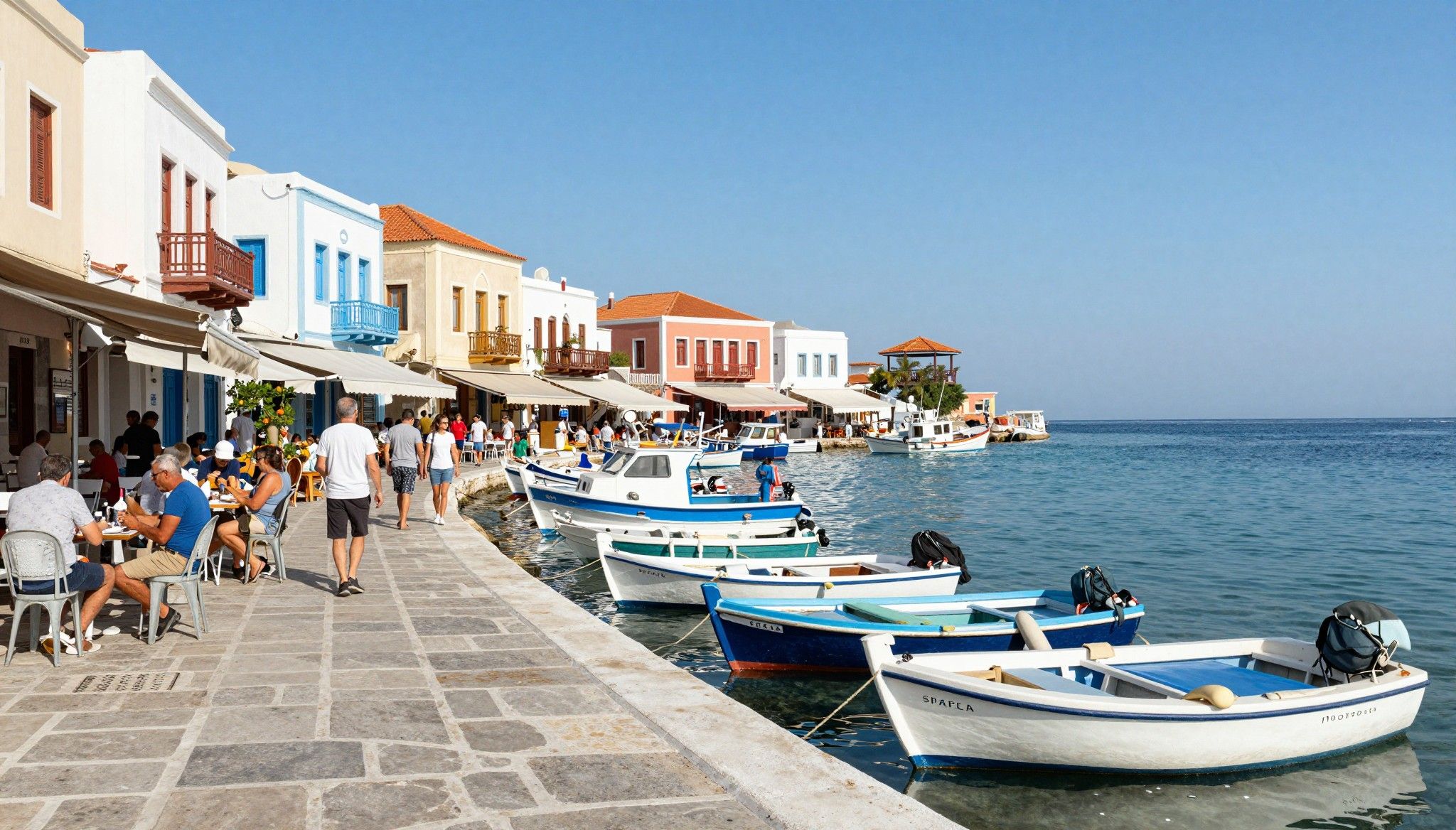
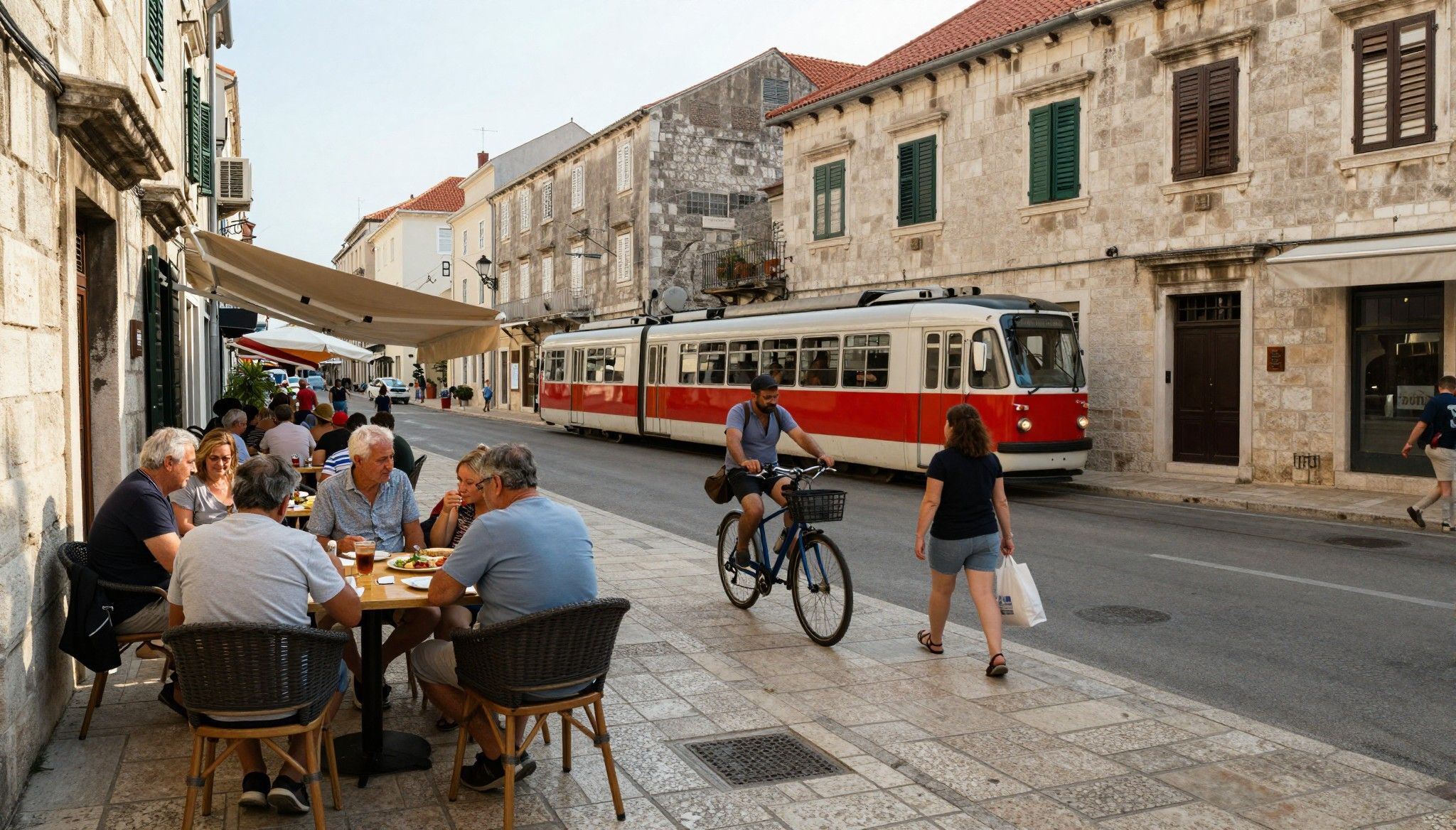
Imagine a Sunday in Athens: espresso at a sun‑splashed kafeneio in Koukaki, a slow walk past neoclassical facades, and a late lunch of grilled fish by the sea in Glyfada. Greece feels lived‑in, tactile and seasonal — islands pulse in summer, cities breathe year‑round. That rhythm is central to property returns here because tourism policy, new rental rules and regional demand all reshape yields. This guide pairs the sensory life — streets, markets, kitchens and beaches — with the precise regulatory shifts that change the math for international buyers.
Living the Greece lifestyle: what you really buy

Buy in Greece and you buy into a life defined by markets and months: café culture in the mornings, municipal markets at noon, island ferries and tavernas at dusk. Those living costs — rents rose notably in recent data — influence what tenants can pay and which neighbourhoods favour long‑stay demand. For investors this means matching property type to local cashflow drivers: small historic flats in central Athens for year‑round rentals, seafront apartments on select islands for seasonal premium income, and suburban houses for long‑term family lets.
Athens: ancient bones, modern renter market
Walk from Monastiraki to Koukaki and you see two markets overlayed: residents and tourists. Central Athens has seen moratoria and tighter registration for new short‑term lets in high‑pressure districts, which reduces immediate competition from holiday listings but raises the value of legally compliant long‑term units. For buyers, this means due diligence must include AMA registration checks and local zoning status — an otherwise attractive well‑located studio can turn into a compliance liability if it fails new standards.
Islands & coasts: seasonal premiums and sudden policy risk
On islands like Santorini and Mykonos, summer yields can be exceptional but volatile: policy moves aimed at protecting housing stock — including minimum safety and primary‑use requirements — have the practical effect of delisting non‑compliant listings. That can push supply down quickly and seasonally reprice returns. Savvy buyers weigh peak‑season revenue against the probability of regulatory tightening and factor contingency for conversion or long‑term leasing.
Lifestyle highlights and local anchors to shop for
Koukaki (Athens) — lively cafés, short walking distance to Acropolis, high year‑round rental demand.
Plaka & Anafiotika — heritage charm with strong holiday appeal but constrained supply and renovation limits.
Chania (Crete) — year‑round population, working port, more stable long‑term rents than smaller islands.
Making the move: practical considerations that affect returns

Lifestyle sells the dream; regulation writes the cashflow. Recent actions by AADE and the Tourism Ministry require registration, updated tax returns for short‑term operators, and minimum property standards that can remove listings from platforms. These changes affect revenue forecasts immediately: plan for potential listing delists, higher season‑tax burdens and compliance costs when modelling net yields.
Property types and how regulations reprice them
Not all listings are equal under new rules: basements and converted storage spaces are increasingly excluded from short‑term use. That shifts investor preference toward primary‑use apartments with compliant layouts and documented utilities. Practically, this raises the price per square metre of compliant stock and reduces the yield on non‑compliant units — include conversion or upgrade costs in your underwriting.
Working with local experts who know both lifestyle and law
A real estate lawyer, a tax adviser conversant with AADE filings, and an agent who tracks AMA statuses become essential team members in Greece. Agencies that marry neighbourhood knowledge with regulatory checklists save time and money: they can flag properties at risk of delisting, estimate conversion costs to primary use, and identify reliable long‑term tenant demand. For international buyers, insist on written confirmations of AMA, certificate of energy performance, and recent tax filing history before signing.
Step‑by‑step underwriting checklist before you buy
1) Verify AMA and AADE registration status and 2024–25 revenue declarations.
2) Check building permits and whether the unit is primary use under the new technical standards.
3) Estimate renovations to meet fire, electrical and ventilation requirements; add those costs to cap‑ex.
4) Stress‑test rents with seasonality: model conservative off‑season occupancy and new daily taxes.
Insider knowledge: what expats wish they'd known
Expats consistently tell the same story: Greece delivers a superior quality of life, but operational friction — bureaucracy, slower renovation timelines, and fast‑changing rental rules — eats at expected returns. Where you buy determines which frictions you face: Athens and larger island towns have faster tenant turnover and more professional services; smaller islands require contingency for ferry disruptions and seasonal maintenance.
Cultural and seasonal realities that shape occupancy
Greek hospitality is intense in summer and quieter through winter; municipal events and festivals can spike local demand but also attract inspection attention. Owners report that clarity in local community relations reduces complaints and lowers inspection risk. Factor in enforcement penalties for non‑compliance when calculating downside scenarios — fines and delisting can erase a year or more of profit if ignored.
Long‑term lifestyle sustainability and resale considerations
House price indexes show modest but steady recovery across Greece, with regional pockets outperforming. For portfolio investors, that means choosing locations with structural demand — university towns, ports, and regional administrative centres — rather than chasing transient summer premiums alone. Resale is easier where housing supply is constrained and legal status is clear.
Red flags to walk away from
Unregistered AMA or incomplete AADE filings.
Basement/warehouse conversions lacking natural light or ventilation.
No recent electrical/fire safety certificates or undocumented renovations.
Conclusion: Buy the life, underwrite the rules. Greece rewards those who pair emotional conviction with regulatory rigor. Start with neighbourhood visits — sip the espresso, listen to the rhythms — then bring the paperwork: AMA checks, AADE declarations and a realistic renovation budget. Agencies that blend local lifestyle intelligence with compliance due diligence are not a luxury here; they are the difference between an adventure and an impaired investment.
British expat who moved to the Algarve in 2014. Specializes in portfolio-focused analysis, yields, and tax planning for UK buyers investing abroad.