How 2024–25 Greek Rules Reprice Short‑Lets and Yields
New 2024–25 Greek rules reprice short‑lets: compliance, higher tourist taxes and Golden Visa thresholds change net yields — model scenarios before you buy.

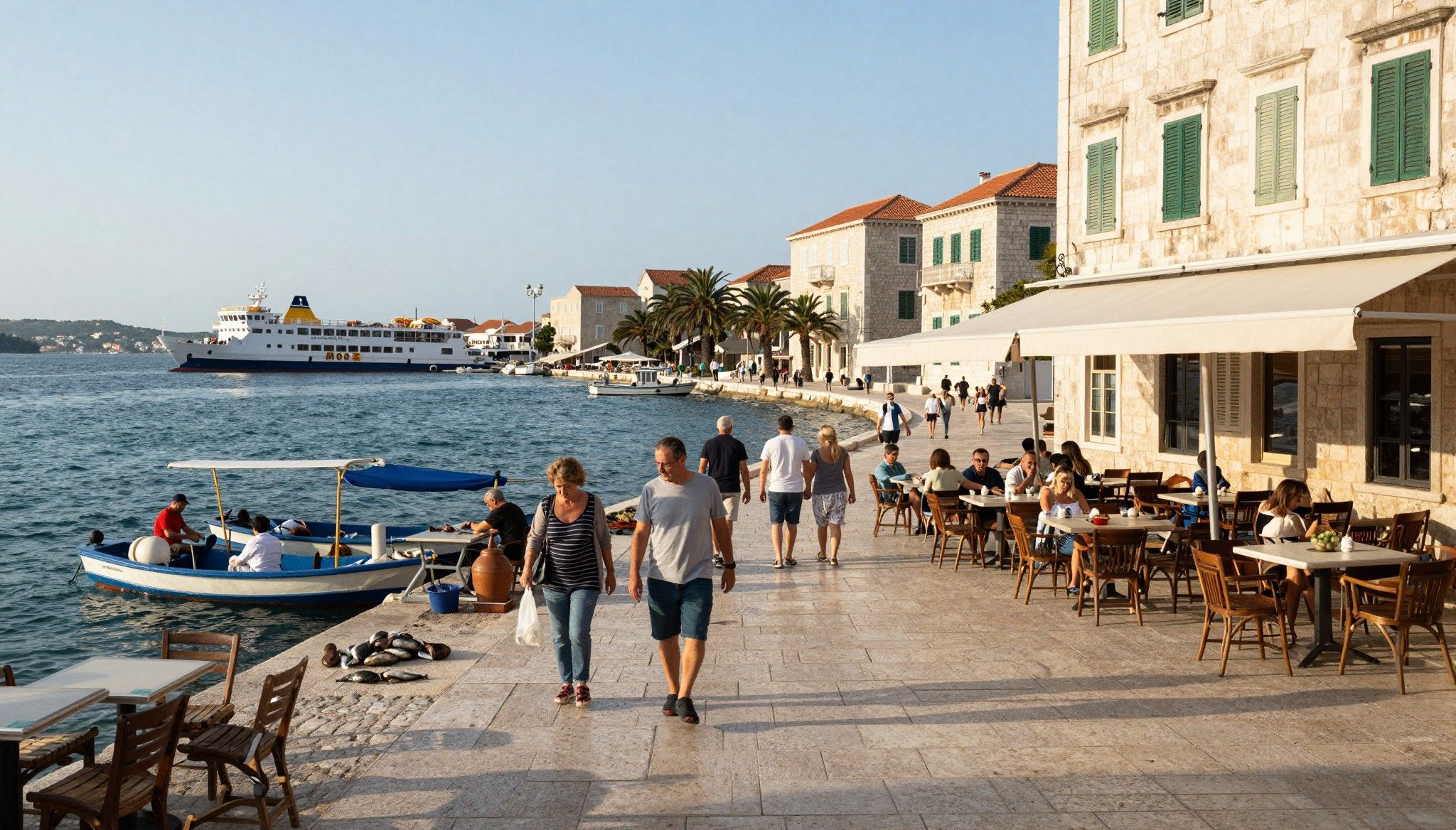
Imagine sipping a late‑morning espresso at a sun-warmed kafeneio on Athens’ Dionysiou Areopagitou, then strolling past Neoclassical facades to a market overflowing with fragrant oregano, figs and sea urchins. Greece lives in seasons — island summers of sea and bustle, winter afternoons in neighbourhood kafes, and spring mornings on olive-lined lanes — and those rhythms shape what a property is worth, who rents it, and what regulators care about.
Living the Greece lifestyle: neighbourhoods that matter

Daily life in Greece is granular: early bakery runs in Koukaki, late dinners in Mets, weekend markets in Chania, and the slow summer exodus to Cycladic islands. For an investor or resident, those patterns determine rent seasonality, tenant profiles and maintenance cycles — not just curb appeal. Understanding micro‑rhythms will change how you price nights in high season and whether a unit performs as a long‑let in winter.
Athens: historic centre, modern rentals
Walk from Plaka’s postcard streets to Exarchia’s indie bookstores and you see two markets overlapping: short‑stay tourists and longer‑term creatives. Central Athens commands higher per‑sqm prices but also stricter short‑let scrutiny under recent rules; that tradeoff matters if you plan seasonal income. Look for buildings on tree-lined side streets (e.g., Dionysiou Areopagitou, Skoufa) where listing suspension risk is lower than basements or non‑primary spaces.
Islands and resort towns: seasonality and quality rules
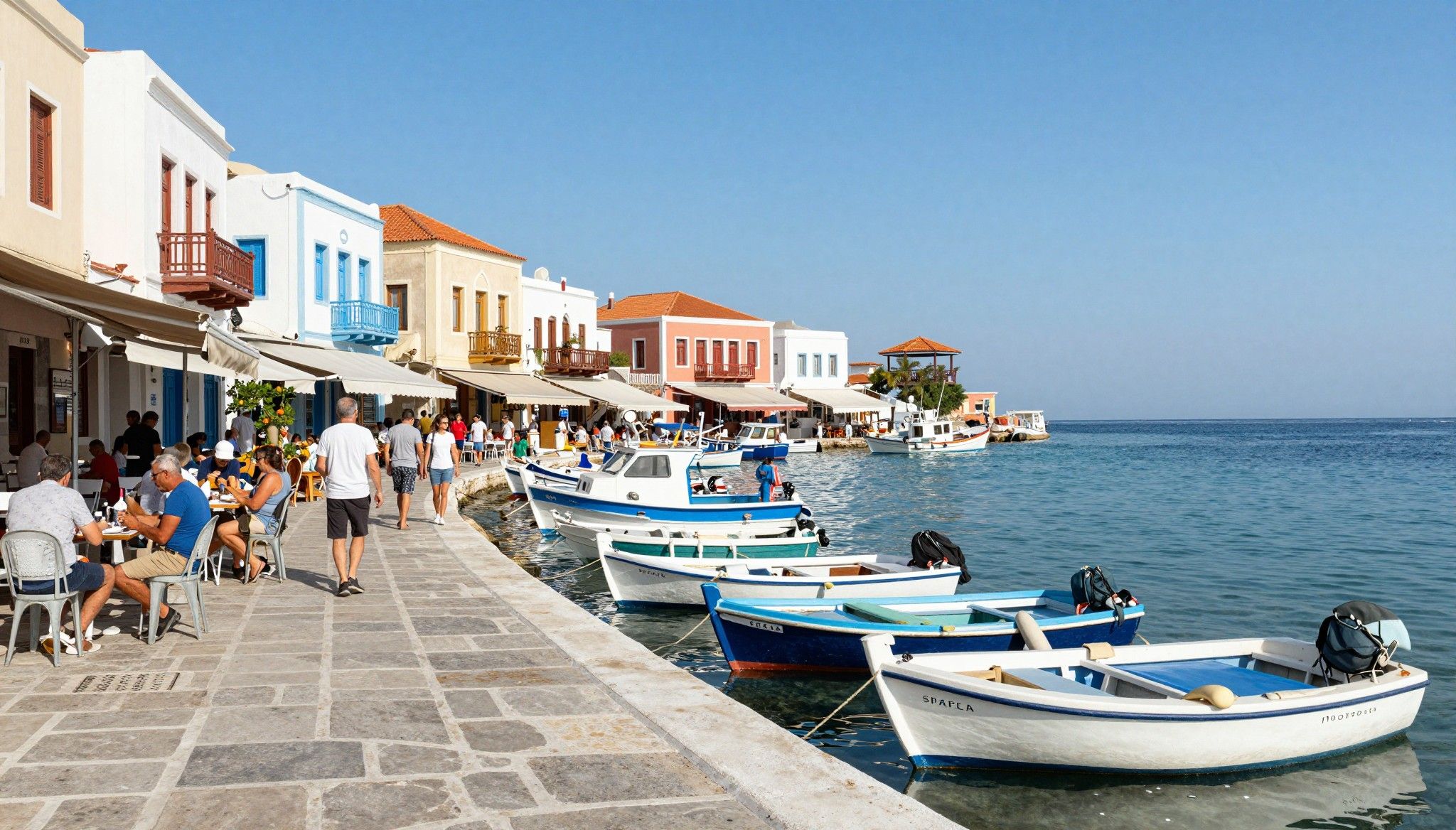
Santorini and Mykonos deliver exceptional summer ADRs (average daily rates) but face new controls: higher per‑night taxes, port levies and operational certifications that shrink net returns. Smaller islands and rural Crete offer steadier year‑round demand from local tourism and long‑lets, but watch infrastructure — water and waste regulations can change operating costs quickly. In short: peak headline rents don’t equal net yield once regulation and seasonality are layered in.
Making the move: how recent regulatory shifts reprice returns

Regulation in 2024–2025 shifted the arithmetic for investment in Greece. New operational standards, inspection regimes and steeper tourist taxes reduce gross short‑let revenue and raise compliance costs; simultaneous tax incentives encourage conversion to long‑term leasing. For investors, the question is quantitative: how much does compliance and higher per‑night tax reduce your projected net yield versus the safer cashflow of a long‑let?
What changed — the headline rules
Law 5170/2025 and accompanying ministry circular set minimum safety, lighting and ventilation standards for short‑lets, require civil liability insurance and electrical certificates, and empower AADE to delist non‑compliant listings. Penalties start at €5,000 and escalate quickly for repeat offences. Separately, seasonal tourist taxes rose substantially, changing net operating income in high‑ADR markets. These are not minor frictions — they are re‑pricing inputs you must model into yields.
Practical impacts on returns
Compliance costs (certificates, insurance, pest control) add a fixed annual overhead, compressing net yield by 1–3 percentage points depending on property size and seasonality.
Delisting risk for non‑primary or basement units means occupancy projections must assume higher vacancy or conversion costs.
Higher per‑night tourist taxes and cruise levies reduce guest willingness to pay on islands, lowering achievable ADR and pushing owners toward medium‑term or long‑term leases.
Insider knowledge: what expats and investors seldom admit
Expats often assume Greek property is simple: buy a stone house, list it on Airbnb, and collect. The truth now is more technical. Basements and windowless conversions are being removed from the short‑let pool, and municipal freezes in central Athens mean some licences cannot be newly registered. That reality forces two practical choices: pay up for compliant stock or repurpose for long‑term tenants.
Cultural and seasonal realities that affect tenancy
Greece’s calendar is social: local festivals, Orthodox holidays and summer labour patterns affect demand and maintenance windows. Tenants in cities seek proximity to work and transport; island tenants often require storage and reliable water supply. Integrate cultural seasonality into lease lengths, maintenance schedules and tenant communications to reduce churn and emergency costs.
Longer view: Golden Visa and residency thresholds
Greece tightened Golden Visa routes in recent reforms, increasing minimum thresholds for prime zones and preserving a reduced €250,000 route only for special conversion projects. That matters if residency is part of your purchase rationale: ordinary residential purchases in Athens or popular islands now require materially larger capital outlays to secure residency rights. Treat Golden Visa economics separately from rental yield calculations.
Steps to stress‑test a Greek purchase under new rules
1. Model two income scenarios: regulated short‑let (with higher taxes/compliance) and long‑let (lower ADR but stable occupancy).
2. Add fixed compliance costs: electrical safety certificate, civil liability insurance, pest control and periodic inspections (estimate €800–€2,500/year depending on portfolio scale).
3. Stress-test vacancy: assume an extra 10–20% vacancy in markets with delisting or licence freezes.
4. Calculate net yield after tourist taxes and potential cruise/port levies on island properties; compare to long‑let cap rate targets.
Working with the right local partner
Choose agents who run compliance checks as part of underwriting: ask for recent AMA registrations, sample inspection reports, and proof of liaison with AADE or municipal offices. Agencies that understand seasonality, language nuances and local municipal rules will save negotiation time and reduce execution risk. In Greece today, agency expertise is a yield-protection tool, not a marketing add‑on.
Checklist for agents and advisors
Proof of recent AMA registration and any past delisting incidents in the building.
Estimates for compliance and recurring inspection costs specific to the municipality.
Local market comps showing ADR, occupancy by month, and long‑let rents for comparable units.
Clear timeline and budget for any conversion projects that aim to meet the €250k Golden Visa conversion route.
Conclusion: Greece still offers differentiated opportunities, but the arithmetic has shifted. If you romanticise island summers, remember the rules now make compliance and tax planning central to returns. Start with lifestyle — pick the neighbourhood that fits how you want to live — then build a financial model that includes compliance, higher tourist taxes and vacancy stress tests. Partner with an agent who treats regulations as inputs, not obstacles, and you’ll own both the lifestyle and a defensible yield.
Danish relocation specialist who moved to Cyprus in 2018, helping Nordic clients diversify with rental yields and residency considerations.