How Cyprus’ New Rules Reprice Returns
Cyprus’s lifestyle appeal masks regulatory shifts—non‑dom limits, SDC reforms and title risks—that materially change net yields for international buyers.

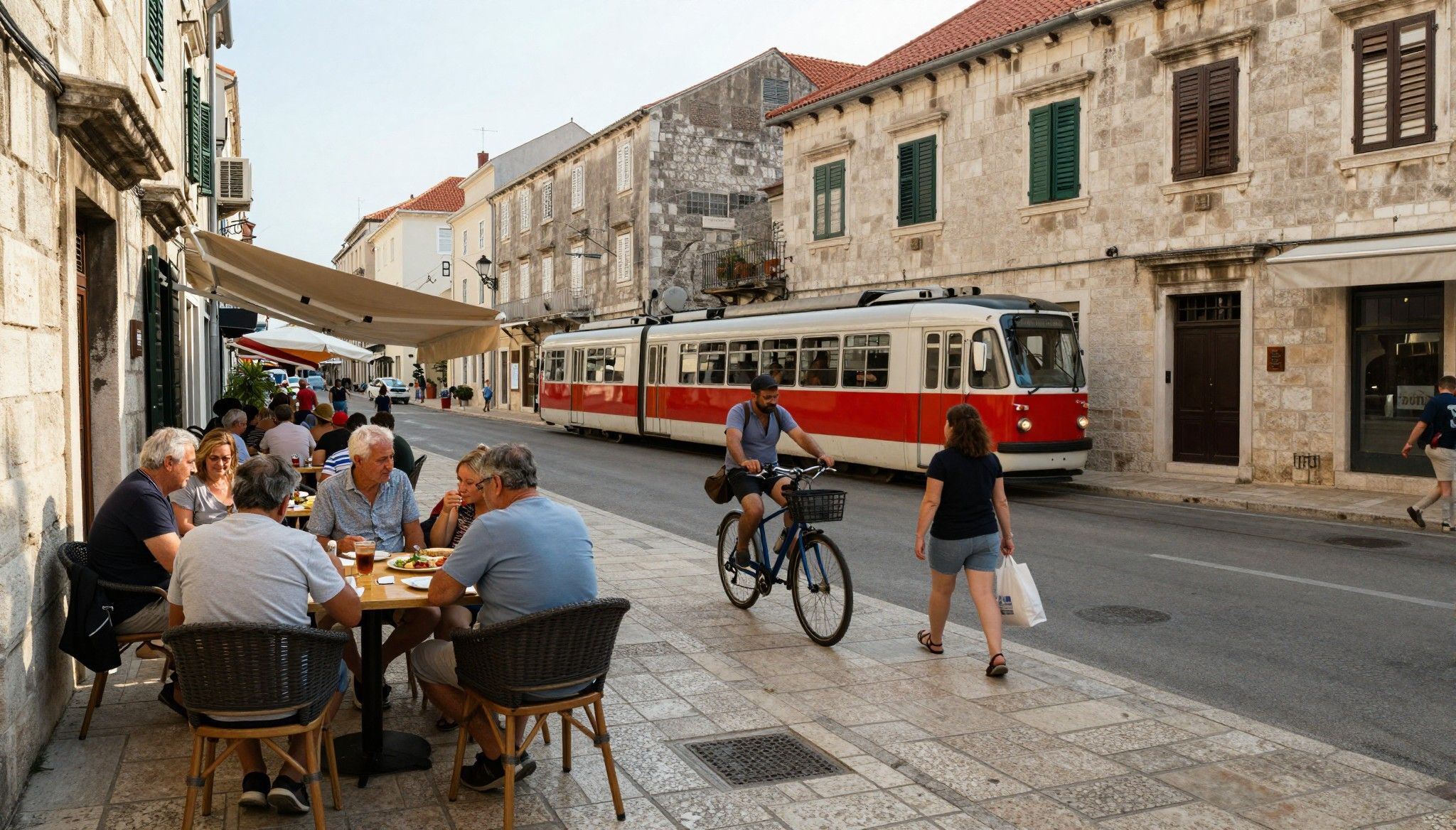
Imagine walking from a shaded café on Nicosia’s Ledra Street to a tram of sunlit terracotta roofs in Larnaca — mornings here move at the speed of espresso and practical decisions (like where to put your rental listing or how long to keep a renovation loan) have measurable financial effects. Recent changes to Cyprus’s tax and regulatory landscape are quietly shifting returns; understanding them separates romantic buoyancy from reliable yield.
Living the Cyprus life: daily rhythms that matter to returns

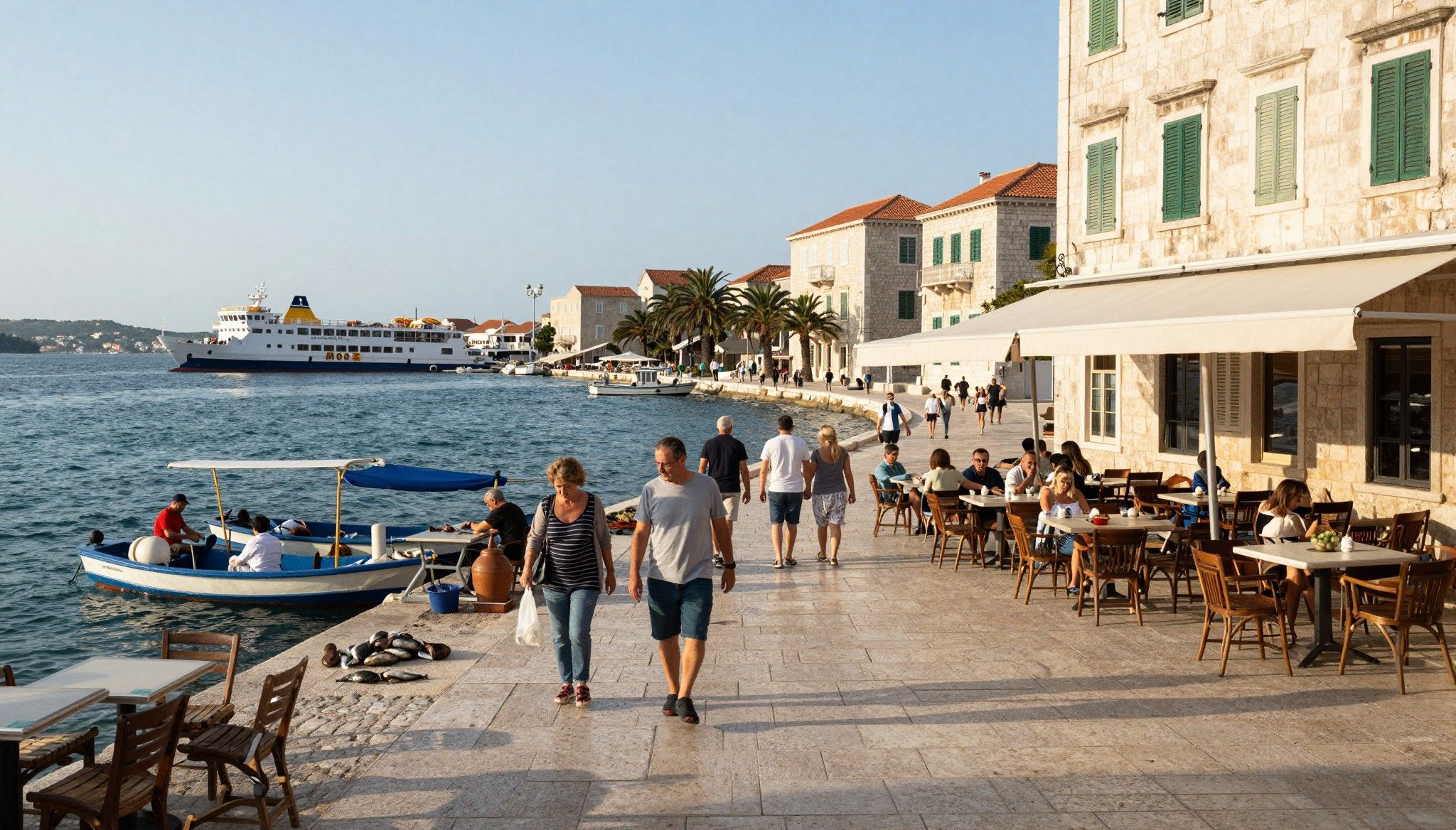
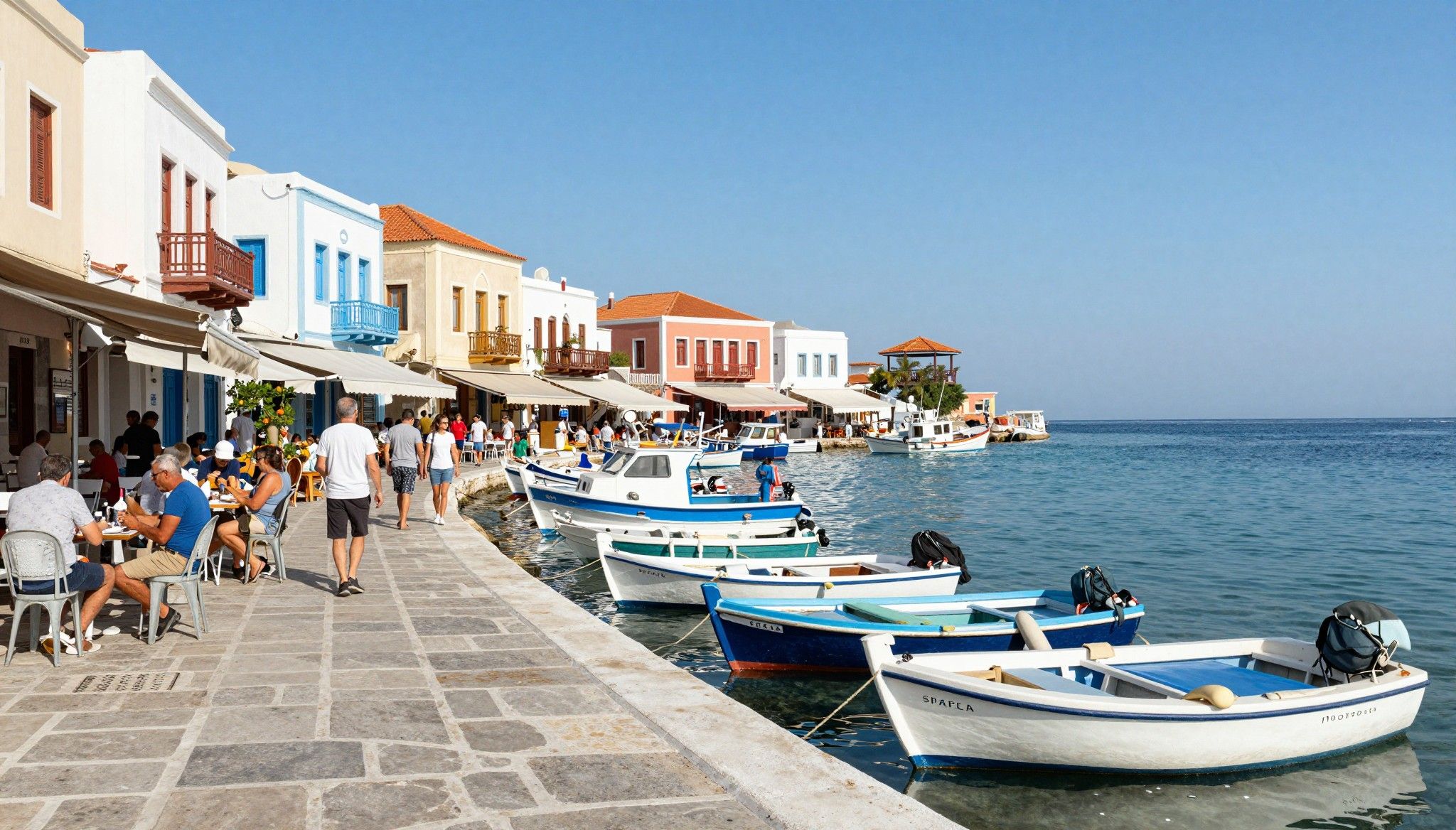
Cyprus is Mediterranean clarity: breakfast markets in Limassol, afternoon siestas in Paphos alleys, year‑round outdoor life that reduces heating bills and shapes tenant demand. For an investor, that lifestyle profile translates into predictable seasonality (strong from April–October), stable second‑home demand from Northern Europe, and a tenant market that favours furnished, outdoor‑ready units.
Neighborhood spotlight: Limassol’s coastal stretch vs. Old Town
Limassol Marina and Molos park deliver premium short‑let rents and younger international tenants; a five‑minute walk inland to the Old Town flips the calculation — lower per‑sqm prices, higher long‑let stability and older tenant cohorts. Street names matter: An investor near Akti Olympion can command tourist rates; a smart purchase on Gladstonos Street will trade some upside for steadier occupancy.
Food, market life and micro‑demand
Weekend markets in Tala or the Municipal Market in Nicosia create micro‑clusters of demand — buyers who want proximity to fresh food and cafés will pay a premium per square metre. That premium affects refurbishment choices: kitchens and balconies convert directly into rental yield because tenants in Cyprus prioritise indoor‑outdoor flow and good kitchen space.
- Lifestyle highlights: café culture on Ledra Street, Limassol Marina walks, Fig Tree Bay in Protaras, Paphos harbour nights, Nicosia’s old wall pedestrian loop, weekend farmers’ markets.
Making the move: regulatory shifts that change returns

The legal practicalities you felt abstractly while sipping café frappé are now material: Cyprus has consolidated non‑dom rules and proposed tax reform measures that affect passive income and SDC (Special Defence Contribution). These shifts alter net yields on rented properties and the attractiveness of Cyprus as a tax base for high‑net‑worth buyers. Read the current analysis and forecasts before you price a deal.
What the non‑dom regime means for rental returns
Non‑dom residents currently enjoy exemptions from SDC on dividends and interest for up to 17 years of residency. For property investors this means holding companies or individual owners with non‑dom status can retain more cashflow from overseas investments and make Cyprus‑based portfolios more tax efficient — but the 17‑year rule is a hard cap and should be included in long‑term yield modelling.
Regulatory red flags: citizenship schemes and disputed north‑side titles
Cyprus’s former citizenship‑by‑investment route was abolished after misconduct; regulatory tightening followed. Parallel risk: properties marketed in the Turkish‑controlled north carry complex legal histories — recent prosecutions show the state is enforcing Greek‑Cypriot property rights. For an investor, title risk is binary: clear deeds vs potentially contested claims. Do not buy north‑side listings without specialist legal validation.
- Step‑by‑step: how to fold regulatory change into your underwriting 1) Confirm seller title and chain with a Cyprus solicitor; require full Land Registry extracts and encumbrance searches. 2) Model net yield both with and without SDC advantages (assume non‑dom status may lapse after 17 years). 3) Stress‑test occupancy by season (April–Oct peak), and include municipal rates and waste/geothermal charges in operating costs. 4) Re‑price exit scenarios if tax reform proposals reduce SDC on dividends or rental taxation.
Insider knowledge: expat lessons that change where you buy
Long‑term residents tell a clear story: proximity to seasonal infrastructure (airport lines, marinas, reliable water supply) beats short‑term glamour. A terrace with shade and good insulation will rent better than a superficially grand living room. Local governance — how quickly a municipality clears streets or approves extensions — materially affects operating expense volatility.
Cultural quirks that shape tenancy and cost
Cypriots prize outdoor dining and covered terraces; multi‑gen families are common in inland towns, which increases demand for 3‑plus bedroom units. English is widely spoken in urban centres, lowering management friction for international landlords — but expect face‑to‑face negotiation culture and slower municipal processes than in some Northern European markets.
- What expats wish they'd known: practical tips • Buy close to everyday conveniences (supermarket, pharmacy) — these drive long‑let demand. • Prioritise air‑conditioning and shading — cooling costs and tenant comfort matter more than marble finishes. • Check water infrastructure for mountain villages — supply variability affects maintenance budgets. • Use local property managers who understand seasonal marketing windows (Easter, summer peak).
When regulation and lifestyle align — for example non‑dom benefits plus stable tourist seasons — Cyprus offers a rare blend: enjoyable daily life and reasonably predictable yields. But the island’s nuance is literal: street‑level differences change returns. Treat neighbourhoods as micro‑markets and regulatory shifts as variables in a financial model, not as background colour.
- Final checklist before making an offer 1) Ask for a 5‑year P&L pro forma including SDC scenarios. 2) Obtain solicitor confirmation on title and any north/south risk. 3) Include a clause for tax‑regime changes in your return assumptions. 4) Engage a local manager and ask for comparable seasonal occupancy rates.
Cyprus can be both a life‑change and a portfolio play — but treat the island like a set of interlocking markets: lifestyle explains demand; regulation determines net yield. If you want to transpose the feeling of a Mediterranean morning into a resilient investment, start with solid title checks, incorporate non‑dom timing into your holding‑period model, and let local agency expertise turn neighbourhood colour into measurable returns.
British expat who moved to the Algarve in 2014. Specializes in portfolio-focused analysis, yields, and tax planning for UK buyers investing abroad.