How Greece’s 2024–25 Rules Reprice Returns
Greece’s 2024–25 regulatory changes (Golden Visa re‑zones, higher tourist levies, short‑stay standards) cut short‑stay yields and shift value to long‑stay, compliant assets.

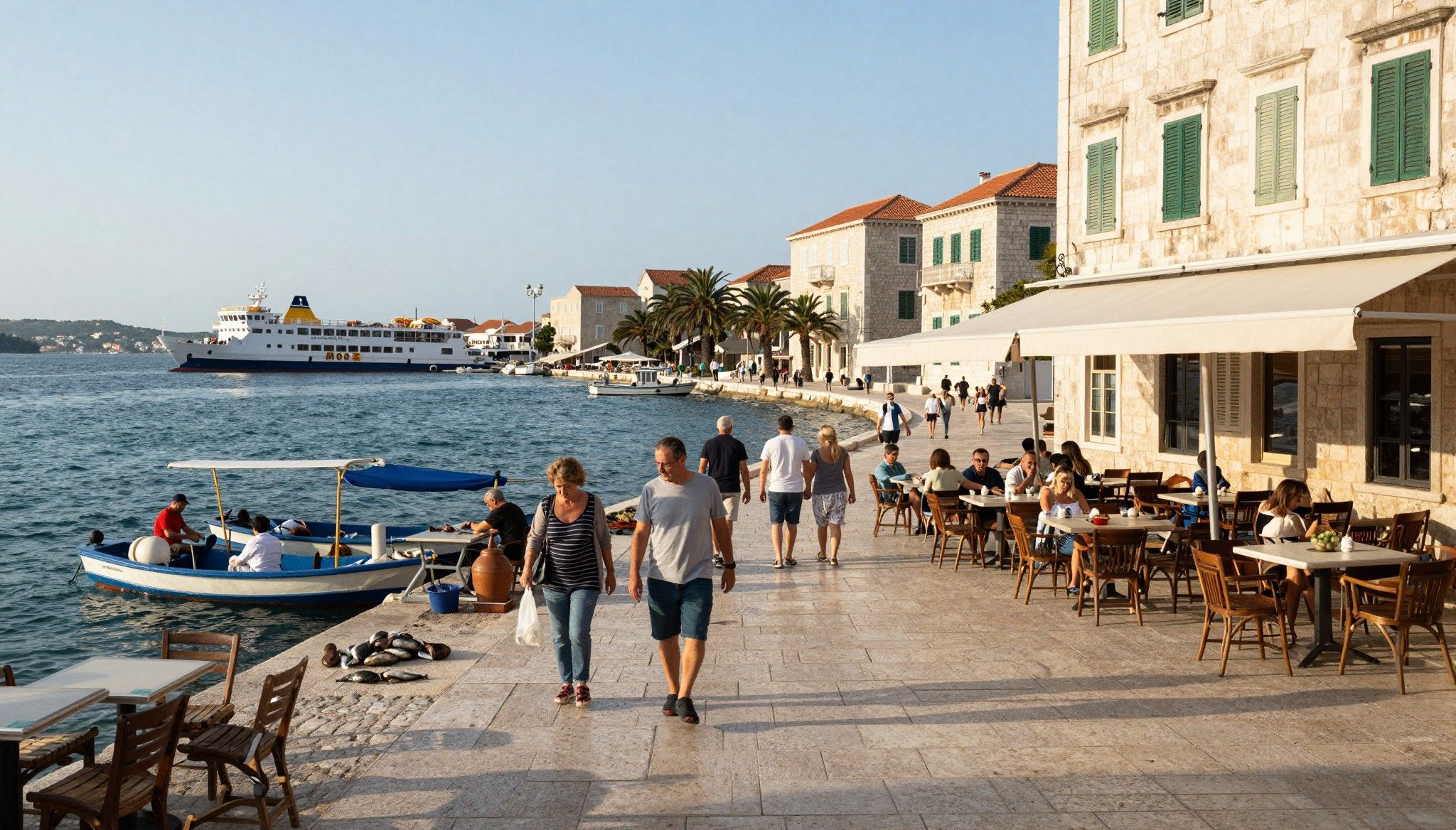
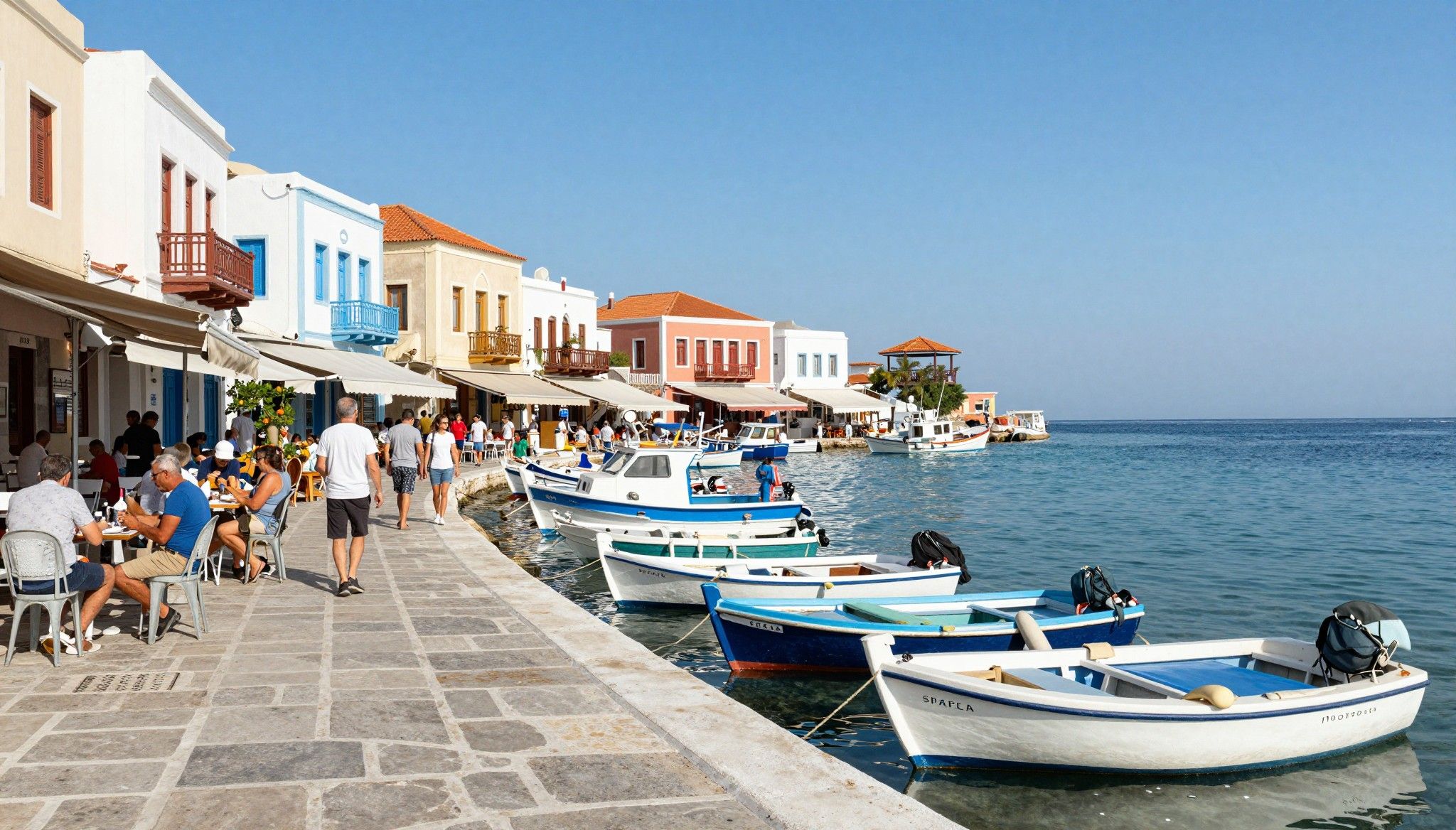
Imagine sipping an espresso on a shaded marble table in Koukaki while a tram rattles past — the kind of everyday that turns a weekend visit into a plan to move. Greece sells itself in light and texture: Athenian mornings on narrow streets, late dinners under bougainvillea on Syros, island winds that reset expectations. That sensual pull is why international buyers show up — but recent regulatory shifts mean the romantic picture now comes with new rules that materially change returns and ownership mechanics.
Living the Greece life: local colour, rhythms and why it matters to returns

Move beyond postcards: life in Athens’ neighbourhoods, Cycladic white in summer, and the slow permanence of Crete. These lifestyle patterns create demand cycles that shape yield—student flats near Exarcheia feed year-round tenancy; one-bed apartments in Plaka flip between holiday rent and seasonal vacancy. Understanding daily life is the first step to underwriting the cashflow you expect.
Neighborhood pulse: Athens, Thessaloniki and island micro-markets
Athens is not one market: Kolonaki’s boutiques attract long-stay professionals; Koukaki draws short-term tourists who value proximity to the Acropolis; Nea Smyrni serves families seeking calmer parks. Thessaloniki combines students and professionals around Tsimiski; pockets near the port are strong for furnished rentals. On the islands, Mykonos and Santorini are high-ticket, short-season markets; Paros and Naxos present mixed-season rental demand that cushions summer volatility.
Food, markets and daily life that produce tenant demand
Picture morning markets in Varvakios, kafeneia clustered on side streets, and tavernas alive after 10pm. These routines matter: tenants choose neighbourhoods where shops, schools and transport match their lifestyle. For investors, mapping amenities against likely tenant types (students, digital nomads, families, seasonal tourists) is a more reliable predictor of occupancy than a scenic view alone.
- Lifestyle highlights that drive rental profiles: • Koukaki (Athens) — walkability + short-stay demand • Exarcheia — student and youthful long-stay lettings • Nea Smyrni — family rentals and stability • Paros/Naxos — mixed-season island yields • Mytilene/Corfu suburbs — local rental affordability and steady demand
Making the move: how recent regulatory changes reprice returns

Two rules introduced in 2024–25 materially change how you underwrite Greek property: the Golden Visa re‑zoning and higher taxation plus operational standards for short‑term rentals. The Golden Visa now requires larger minimum investments in high-demand locations; tourism taxation and new short‑stay standards increase operating costs and compliance burden. Together, these moves lower net yields on previously attractive quick‑flip or short‑stay plays and nudge investors toward longer-term, amenity-led strategies.
Golden Visa: where thresholds rose and what that means
Law 5100/2024 introduced a two‑zone Golden Visa system: Zone 1 (Attica, Thessaloniki, Mykonos, Thira and islands with populations over 3,100) generally requires an €800,000 minimum purchase; Zone 2 is set at €400,000 in most other regions. That re‑zoning removed many lower‑cost entry points and concentrates investor demand into fewer high‑ticket assets—compressing cap rates for trophy areas while lifting relative opportunity in under‑touristed mainland towns and secondary islands.
Short‑term rentals and tourist taxation: the new cost realities
From 2025 Greece rolled out operational standards (safety certificates, insurance, minimum natural light/ventilation, and inspections) plus higher seasonal short‑stay levies—summer daily tax rising sharply in key months. Practically, this raises marginal cost per booking, increases compliance lead time before listing, and creates enforcement risk for non‑compliant units (including de‑registration by AADE). Expect effective yields on holiday lets to fall and occupancy modelling to require larger buffers.
- Steps to re‑underwrite a Greek investment post‑regulation: 1. Recalculate net yield assuming higher per‑night tax and a compliance capex (electrical/fire/pest certificates). 2. Stress test vacancy against seasonal demand shifts and possible moratoria in city centres. 3. Prioritise properties classified as primary residential—those are less likely to be delisted. 4. Factor Golden Visa zoning if residency is a motive; zone differences change effective entry price. 5. Source local legal confirmation on lease restrictions and permitted use.
Insider knowledge: what expats, agencies and local rules reveal
I’ve met expats who discovered that a terrace overlooking the Acropolis is a marketing dream but a practical headache: summer noise limits renter types; licensing and fire‑safety certification can delay occupancy. Local agencies with municipal contacts accelerate approvals and spot neighbourhood moratoria early—knowledge that directly protects yield and time‑to‑income.
Cultural and practical quirks that affect ownership
Greek municipal planning, varied cadastral records and the legacy of informal alterations mean due diligence is non‑uniform. Expect differences between islands and the mainland in permitting speed and enforcement. Speaking Greek helps, but a bilingual lawyer and an agency used to AADE and Tourism Ministry workflows are essential to avoid surprises.
Long‑term picture: where regulation creates opportunity
Policy is shifting demand from purely short‑stay speculative plays to long‑stay, mixed‑use and conversion projects. That opens opportunity in mid‑sized towns, estate conversions, and mainland coastal towns where acquisition costs remain below zone thresholds. Investors who target reliable long‑stay tenants and upgrade properties to residential standards can extract steadier yields with lower regulatory risk.
- Practical due diligence checklist (quick‑reference): • Confirm property classification (primary residential vs ancillary space). • Obtain recent AADE registration and check AMA status. • Budget for mandatory safety certificates and liability insurance. • Check municipal moratoria or density limits in city centres. • Model yields with summer and off‑season tax assumptions.
- If you decide to proceed: an agent‑backed six‑step process 1. Commission a local title and cadastral search. 2. Order a technical inspection for compliance gaps. 3. Request historical occupancy and booking data (if short‑stay). 4. Obtain written confirmation of permitted uses from the local municipality. 5. Price in compliance capex and seasonal tax to the operating model. 6. Close with escrow and register with AADE—retaining local counsel for post‑sale filings.
Conclusion: fall in love with Greece, then underwrite it soberly
Greece offers a rare blend of lifestyle and long‑term asset potential, but the rules have changed. Tasteful terraces and island sunsets still sell — they just need to be priced against new entry thresholds, higher tourist levies, and compliance costs. Work with agencies that understand Golden Visa zoning, AADE delisting risk, and municipal moratoria. That combination — a clear lifestyle brief plus rigorous regulatory underwriting — is how you turn the dream into durable returns.
Swedish financier who guided 150+ families to Spanish title deeds since relocating from Stockholm in 2012, focusing on legal and tax implications.