How Greece’s Short‑Stay Rules Reprice Island Yields
Greece’s recent short‑stay rules and tourism levies reprice island and central‑Athens returns — re‑underwrite for long‑let baselines, verify AADE registration and budget compliance costs.

Imagine waking up to the clink of espresso cups in Koukaki, the smell of baking koulouri drifting from a corner bakery, and a short walk to an Athenian park where locals play backgammon. That everyday scene is changing — Greece’s recent short‑term rental reforms and tourism levies are reshaping what makes a good buy, and where yields live.
Living Greece: daily life, seasons and neighbourhood character

Greece’s rhythm is seasonal but nuanced. Athens hums year‑round — Kolonaki’s cafés are daytime salons, Koukaki’s streets pulse with neighborhood life after dinner, and Piraeus moves to a discreet maritime tempo. On the islands, Mykonos and Santorini run high season intensity, while Naxos, Paros and Kefalonia feel reliably local outside July–August. Choosing a property here means matching microclimate, seasonal footfall and everyday amenities to the life you want to lead.
Athens micro‑scenes: Kolonaki to Exarchia
Kolonaki offers refined cafés, galleries and tight rental demand for professionals; Koukaki and Kallithea attract families and expats with pedestrian streets and easy transport; Exarchia retains bohemian energy and lower price points but also policy risk when enforcement changes. Walk down Vyronos or Ifestou and you can hear the mix of old‑school tavernas and new co‑working spots — and each street signals different tenant profiles.
Island life: where tourists, long‑lets and locals collide
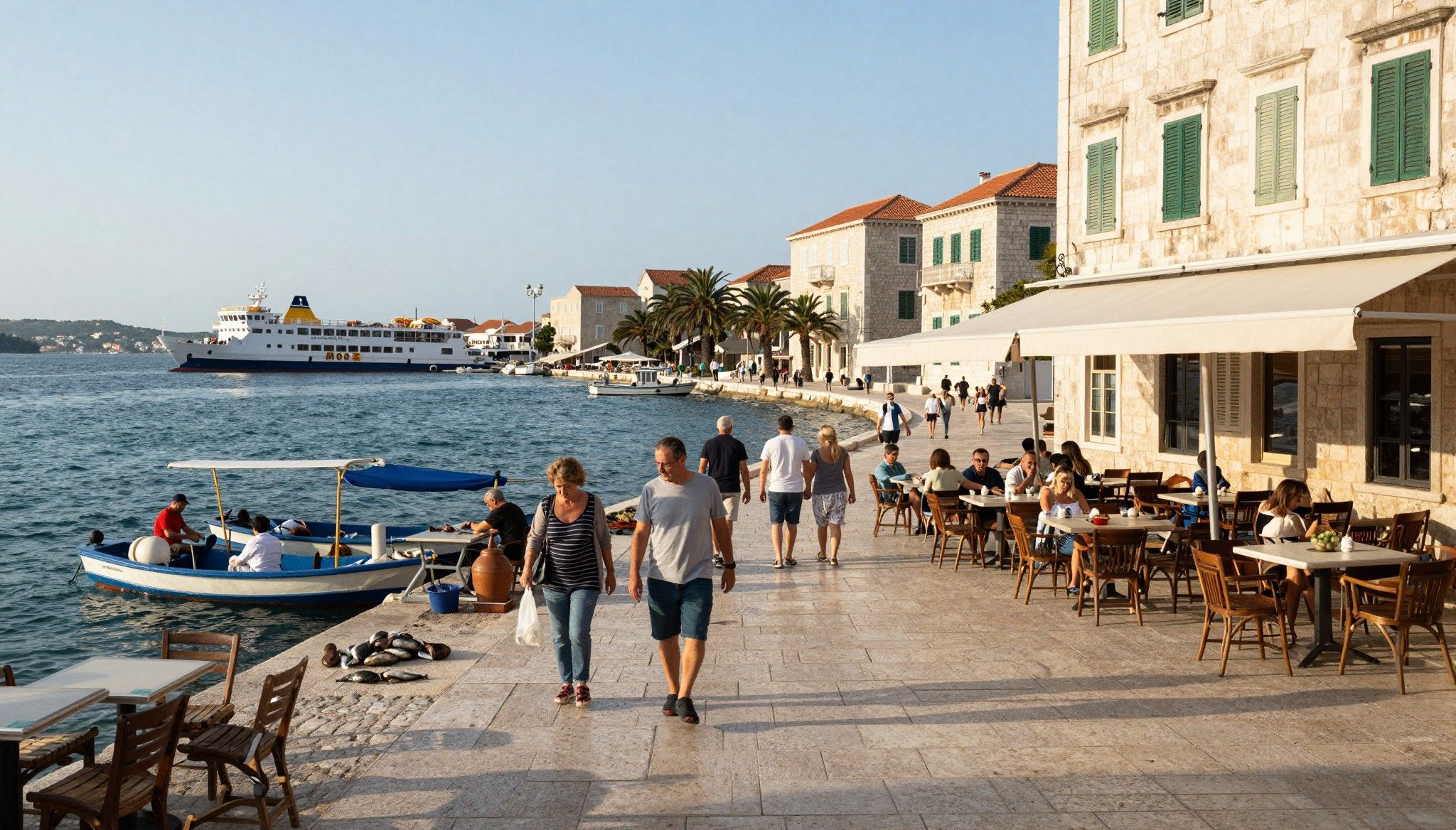
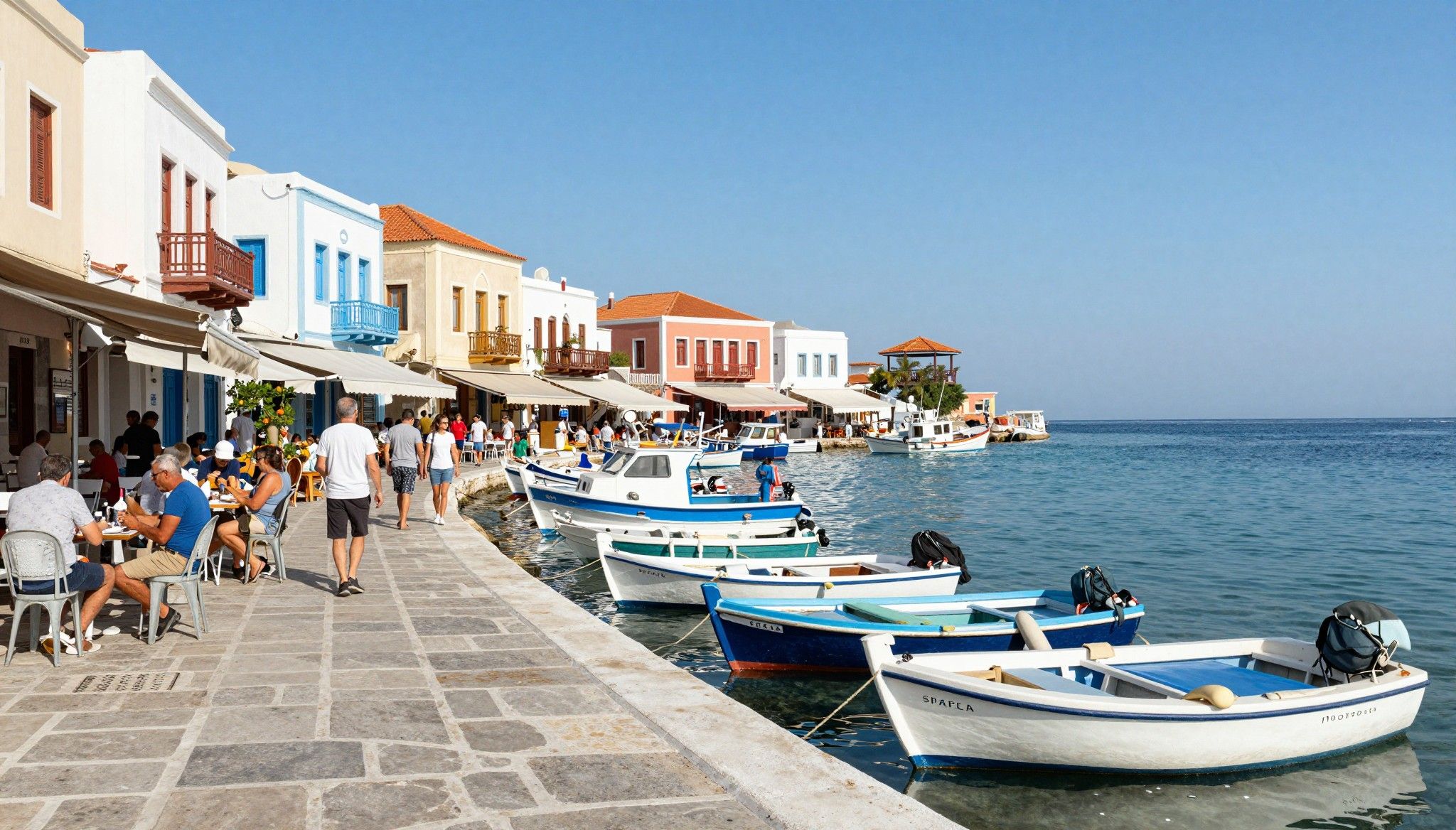
On islands like Paros and Naxos you’ll trade 24/7 nightlife for dependable shoulder‑season demand. Doppler effects from high‑season peaks cause extreme rental volatility; policy moves that curb short‑term supply cause prices and yields to reprice toward long‑term fundamentals — what used to be a summer play can become a stable long‑let market if supply tightens.
- Lifestyle highlights: Kolonaki galleries; Koukaki street cafés; Monastiraki flea market mornings; Paros beach tavernas at sunset; Naxos farm markets; Plaka historic walks
How recent regulatory change reprices returns

Law 5170/2025 and related tax moves impose operational standards, stricter registration rules and heavier seasonal levies on short‑term lets. The combination reduces eligible short‑term supply in sensitive central districts and raises operating costs island‑wide. That’s a structural shift: income streams formerly driven by nightly rates must now be modelled as longer lets or face higher compliance costs.
What it means for yields — the arithmetic
Short‑stay cap rate models assumed high nightly ADR (average daily rate) and >60% summer occupancy; with registration freezes in central Athens and higher seasonal taxes, expected ADR falls and operating margins compress. Re‑underwrite with a 30–40% lower annual revenue baseline and a 3–5% uplift to operating costs (insurance, certificates, inspections) and many previously attractive cap rates tighten below investor thresholds.
- Steps to re‑underwrite a Greek holiday let (practical)
1) Recalculate annual revenue assuming 40–60 nights of short‑stay and the rest long‑lets; 2) Add fixed compliance costs (safety certificates, insurance) per property; 3) Stress test for delisting risk in targeted districts; 4) Recompute net yield and compare to long‑let yields and financing costs.
Insider knowledge: where regulation creates opportunity
Contrary to headline fear, regulation can concentrate economic value. When marginal short‑term stock is removed, quality long‑let accommodation becomes scarcer — that supports stable rents, reduces turnover costs for landlords, and improves tenant quality. Smart buyers pivot: hunt for properties with long‑let credentials (building compliance, good natural light, sound insulation) or target peripheral islands where regulations are less binding but demand remains strong.
Cultural and local considerations that matter
Greek tenancy norms, municipal zoning and community sentiment shape enforcement. In Athens, neighborhood associations actively influence municipal freezes; on islands, tourism boards push for quality standards. Learning Greek basics and hiring a local solicitor and agency who read municipal registers is not optional — it materially reduces legal and reputational risk.
- Practical buying checklist (lifestyle + regulation)
• Verify property classification with AADE and municipal building permits; • Confirm natural light and ventilation meet the new tourism rules; • Budget for mandatory safety certificates and civil liability insurance; • Assess seasonal occupancy realistically by month, not just July–August; • Prioritise buildings with established long‑let demand if you need steady income.
How to work with agents and advisors in Greece
Treat an agent as a regulator translator. The best local agencies combine on‑the‑ground neighbourhood knowledge with access to municipal registries and a network of surveyors and lawyers. Ask for recent examples where they navigated compliance inspections, converted short‑lets to long‑lets, or achieved permitted AMAs (property registration numbers). Data on past performance in both high and shoulder seasons is the signal of competence.
- Questions to demand from every Greek agent
1) Can you show AADE registry screenshots for comparable properties? 2) Have you handled inspections under Law 5170/2025? 3) Can you model net yield after seasonal tax and compliance? 4) Do you offer property management that converts short‑stay setups to long‑let standards?
Real‑world scenario: a reprice on Paros
A two‑bed villa previously modelled on 120 summer nights and high ADR may now be delisted if basements or auxiliary spaces lack compliant natural light. Converted to a long‑let baseline, expected annual income falls but vacancy risk drops; net yield volatility declines and financing looks more favourable to conservative lenders.
Greece still sells a life: late‑morning markets, taverna dinners under bougainvillea, and slow island afternoons. The recent rules refine which parts of that life are investible. If you value consistent income, focus on long‑let fundamentals; if you want seasonal upside, choose islands and neighbourhoods where compliance and registration history are proven.
Next steps: ask for AADE registration evidence, model two yield scenarios (short‑stay vs converted long‑let), and get written estimates of compliance costs. An evidence‑first approach turns regulation from a headline risk into a repositioning opportunity.
Conclusion: Greece’s reforms recalibrate risk and reward. They push the market from speculative nightly income toward more predictable, regulation‑aligned cashflows. For international buyers who re‑underwrite with local data, the result is clearer returns and neighbourhoods that feel more like places to live, not just seasons to monetise.
Dutch investment strategist who built a practice assisting 200+ Dutch clients find Spanish assets, with emphasis on cap rates and due diligence.