When Greece’s Rules Reprice Short‑Stay Yields
New 2024–25 rules reclassify short‑stays, raise seasonal levies and require safety compliance—buyers should prioritise legally compliant stock and model net yields accurately.

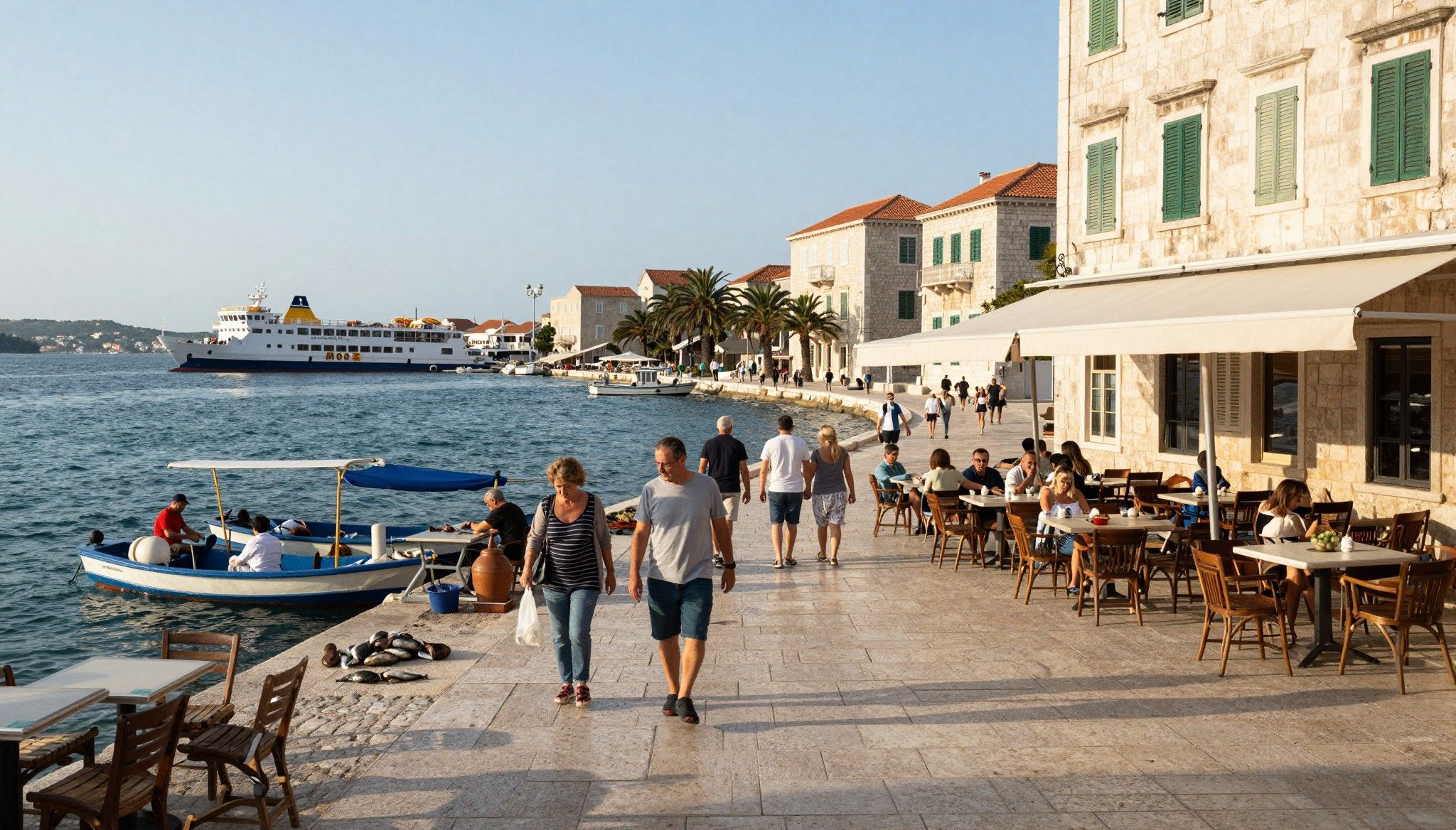
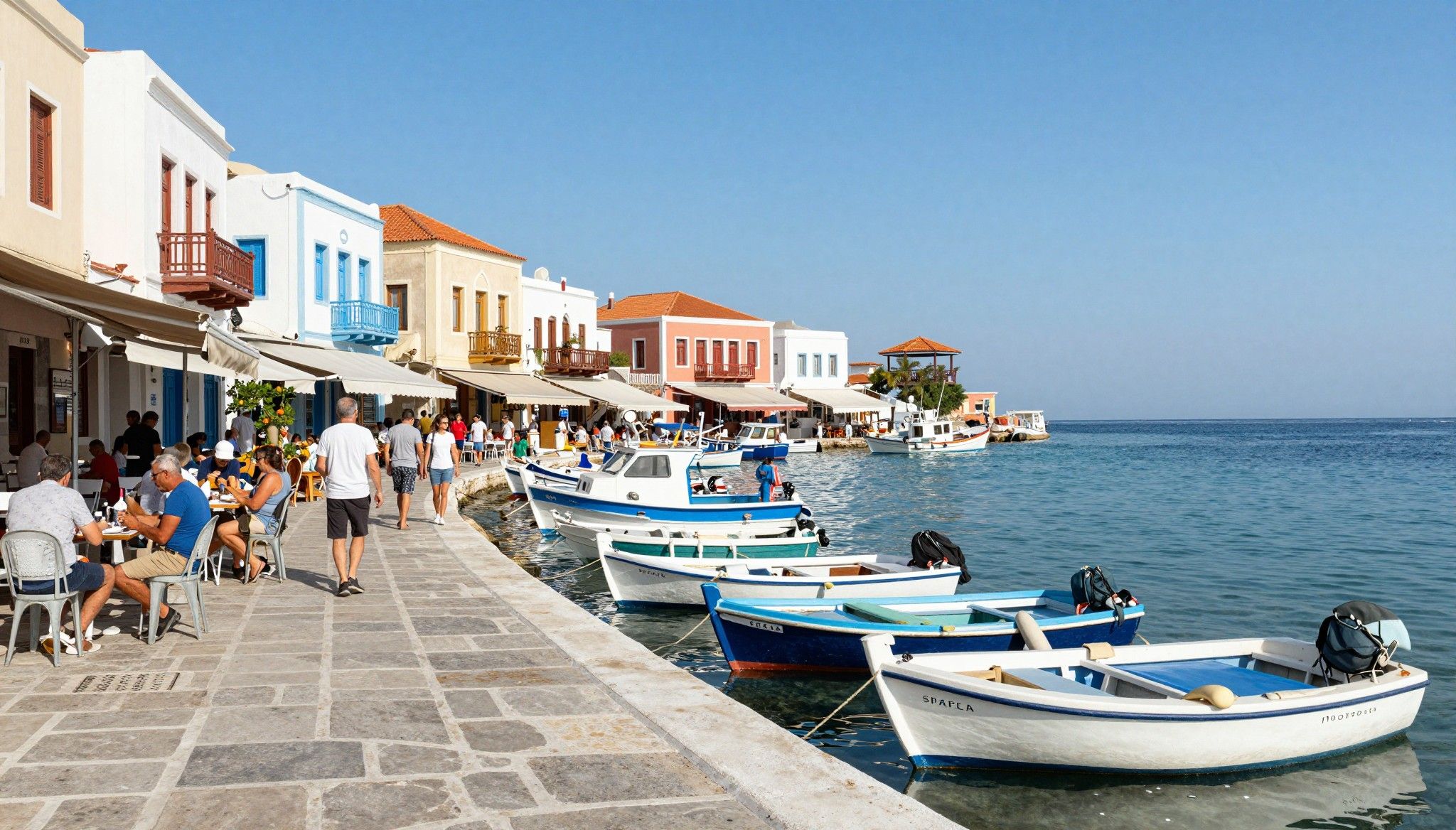
Imagine sipping a flat white on a sun-splashed terrace in Koukaki while a neighbour repairs a balcony garden — ordinary scenes that can suddenly shift the value of a corner flat. Greece’s rhythms — market days in central Athens, fishing mornings on Naxos, late-night taverna chatter in Chora — are what draw buyers, but recent regulatory shifts are reshaping where those rhythms support reliable returns. Put simply: lifestyle and regulation are now entangled; the dream of short‑term income must be underwritten by law as much as by sunlight and sea views. This guide explains the new rules, their likely market effects, and practical moves international buyers can make without losing the sense of place that brought them here.
Living the Greece lifestyle: what you actually buy
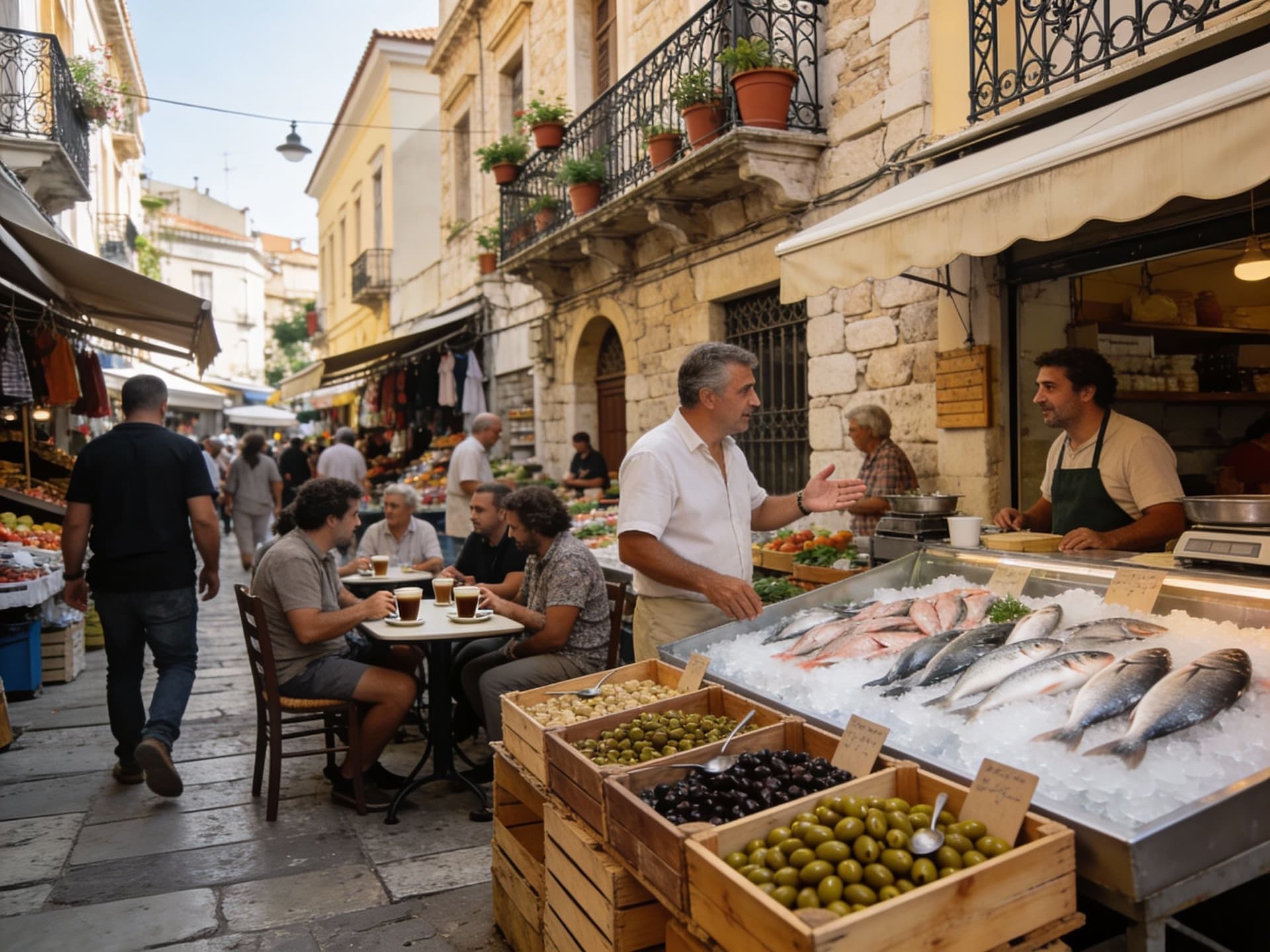
Greece’s appeal is sensorial: mornings smell of ground coffee and olive oil, afternoons drift into beaches and neighbourhood markets, and evenings are shaped by communal dining. These micro-rhythms vary sharply by place — Athens has architect-lined koufeta cafes and rooftop views; islands like Paros and Milos trade late-summer quiet for intense seasonal income; Thessaloniki mixes student energy with a year-round rental base. For investors, that translates into different demand profiles: steady long-term lets in university towns, highly seasonal short-stay peaks on islands, and mixed-use demand in central Athens. Understanding daily life is the first step to underwrite returns that match how those places are actually lived in.
Athens neighbourhoods: pockets of steady life amid tourism pressure
Walk through Koukaki, Exarchia or Kolonaki and you’ll see different buyer stories: young professionals in Koukaki, students and cafes in Exarchia, luxury services in Kolonaki. Recent policy choices — including temporary freezes on new short‑term rental licences in some central Athens areas — were explicitly designed to protect these neighbourhoods’ residential character. That means properties in those pockets will likely enjoy steadier long‑let demand but face lower short‑stay upside, changing underwriting assumptions for yields and cap rates. For an investor, the question becomes not whether demand exists, but which demand you want to underwrite: seasonal tourist premiums or stable local tenancy.
Island life: seasonal riches and regulatory risk
Islands deliver high gross yields in summer but bring concentrated off‑season vacancy risk and tighter regulation exposure. Laws introduced in 2025 require minimum safety, lighting, ventilation and insurance standards for short‑term rentals, and can remove non‑compliant listings from platforms by revoking registration numbers. Practically, that raises upfront compliance cost for small owners and increases the bar for new investor entries — but it also reduces unregulated supply and could make compliant listings more valuable. When you price an island studio, factor in winter vacancy, compliance capex and the probability of higher seasonal taxes.
Making the move: practical considerations under new rules

Policy moves in 2024–2025 have three immediate implications for buyers: higher operating costs (insurance, safety certificates), lower supply of marginal short‑stay units, and new seasonal taxes that affect net yield. Greece raised seasonal accommodation levies and signalled tougher enforcement against windowless basements and non-residential conversions listed as short‑lets. Those changes compress gross-to-net yield conversion and shift the value proposition toward professionally-managed, compliant inventory. In effect, the market is rewarding scale and compliance: larger or professionally-serviced assets absorb regulatory costs more efficiently than a single-owner Airbnb.
Property types: what to buy for lifestyle + yield
Old basements and converted storage units — once cheap sources of tourist income — are now risk assets unless they meet the new primary‑use and safety standards. Traditional island studios with legal residential classification and sea‑view terraces remain high-demand if upgraded to comply with electrical and fire safety rules. In Athens, multi-bedroom flats near universities or hospitals suit medium-term lets to students and professionals, providing steadier occupancy and easier compliance. Always map a property’s legal classification and likely allowed use before pricing projected short‑stay revenue; the registration (AMA) status is decisive.
Working with local experts: what good advice looks like
An effective local team combines an English‑speaking lawyer, an accountant familiar with Greek tax residency rules, and an agency that understands neighbourhood tenancy profiles. Lawyers confirm ownership, title encumbrances, and whether a property’s use category allows short‑term letting; accountants model net yield after the new seasonal taxes; agencies provide tenant- and platform‑level data to stress‑test forecasts. Good teams will also check AMA registration and previous inspection records, saving buyers from buying non-compliant income streams. For investors focused on returns, hire an advisor who prepares a three-scenario cashflow (optimistic seasonal, conservative long‑let, and regulatory shock).
Insider knowledge: tradeoffs, red flags and contrarian opportunities
Regulatory tightening creates winners and losers: while marginal short‑lets shrink, professionally-managed compliant properties and long‑let stock become relatively more valuable. A contrarian play is to target well‑located units that are already compliant — these face less competition post‑enforcement and can command price premiums or more reliable long‑term tenancy. Red flags include properties that rely entirely on platforms without formal AMA registration, windowless basements, or units lacking basic safety certificates. The best arbitrage now is informed: buy compliant supply in places with year‑round demand, not the flashiest roof terrace on the headline island.
Cultural and seasonal realities buyers underestimate
Greece’s social rhythm — long August closures, siesta‑like afternoons, and festival weeks — affects property management and tenant expectations. Owners who misunderstand seasonality overestimate achievable nights in shoulder months and underplan for winter maintenance and insurance renewals. Language gaps also matter: paperwork and municipal processes are in Greek, and neighbours value personal presence and local introductions. Budget for on‑the‑ground property management and reserve capital for seasonal repairs; those pragmatic costs determine net yield more than the postcard view.
Practical red flags checklist
- No AMA or registration with AADE: platform listings without a valid registration can be delisted and revenue vanish.
- Windowless or semi‑basement classification: new rules exclude many such units from short‑stay eligibility.
- Missing safety certificates: electrical, fire and pest control gaps trigger fines and loss of registration.
- Overreliance on summer income: projections should stress‑test a minimum 30–50% winter revenue drop depending on location.
Step-by-step purchase checklist (numbered)
- Confirm AMA/registration and check AADE records for inspection history.
- Commission legal due diligence on title, building classification and permitted uses.
- Get fixed quotes for required compliance works (electrical, fire safety, pest control, insurance) and model net yield.
- Stress‑test cashflow for three scenarios: high‑season short‑stay, mixed seasonal, and full long‑let conversion.
- Contractually require seller disclosures on past inspections and include a compliance escrow where needed.
Long-term view: how Greece’s changes reprice portfolios and choices
Regulatory tightening is a repricing event: it reduces fringe supply and rewards compliance, professional management, and year‑round demand. For a diversified investor, that means reallocating a portion of island‑heavy exposure into Athens neighborhoods with long‑let fundamentals or into professionally-run portfolios that can absorb taxes and certificate costs. Over a 5–10 year horizon, expect higher premiums on legally-compliant short‑stay stock and improved long‑let security in previously touristised enclaves. The smartest portfolios blend lifestyle assets you enjoy with professionally underwritten yield engines.
Conclusion: fall in love, but underwrite the rules
Greece still sells a life few places can match: neighbourhood markets, late dinners, island calm and urban convenience. But the legal frame now directly shapes what counts as investable lifestyle real estate: compliance, registration and seasonality determine returns as much as sea view. If you want the Greek life, buy the unit that already lives it legally, or budget to bring it into compliance and price the risk appropriately. Local experts will keep the dream intact while turning it into a predictable asset — that’s where to start.
British expat who moved to the Algarve in 2014. Specializes in portfolio-focused analysis, yields, and tax planning for UK buyers investing abroad.